Arsenal's Medical Overhaul: Arteta's Plan for Success
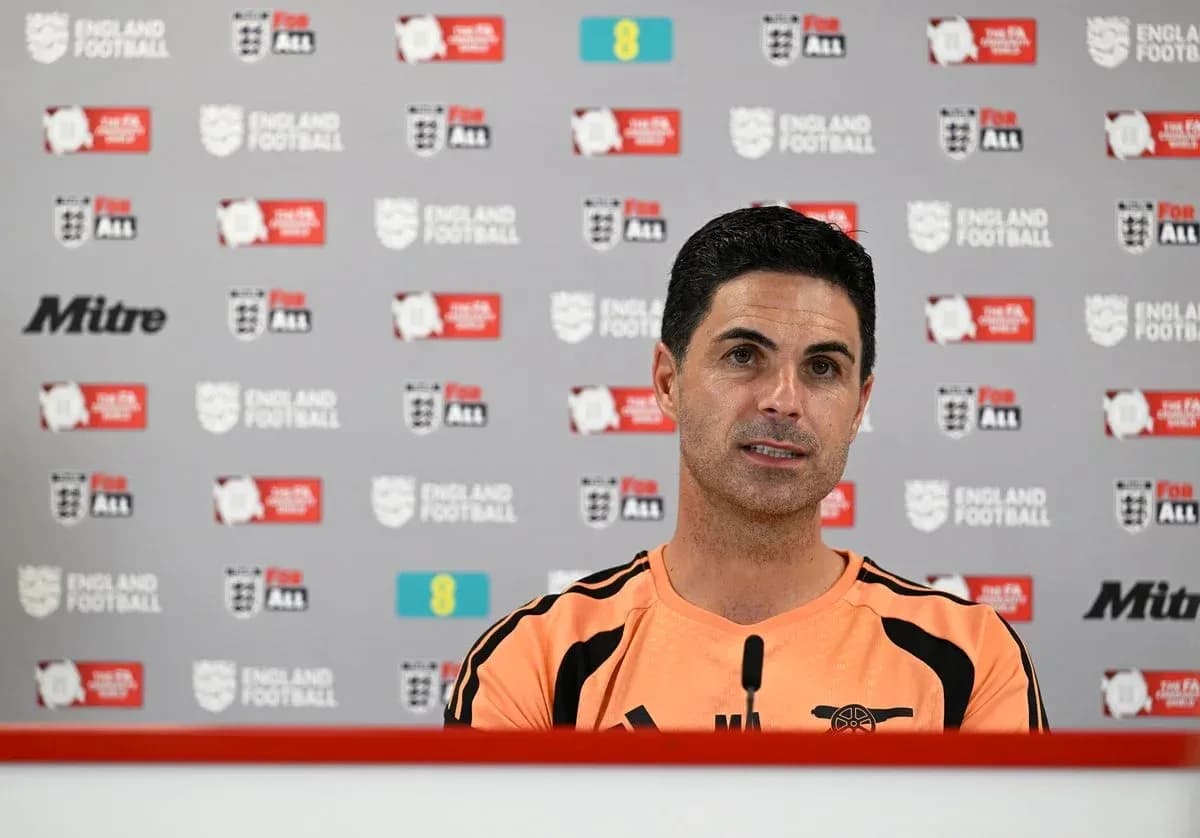
Mikel Arteta has laid bare why Arsenal ripped up their medical set-up over the summer – and made it clear this overhaul is central to his plan to keep the club at the top end of the game.
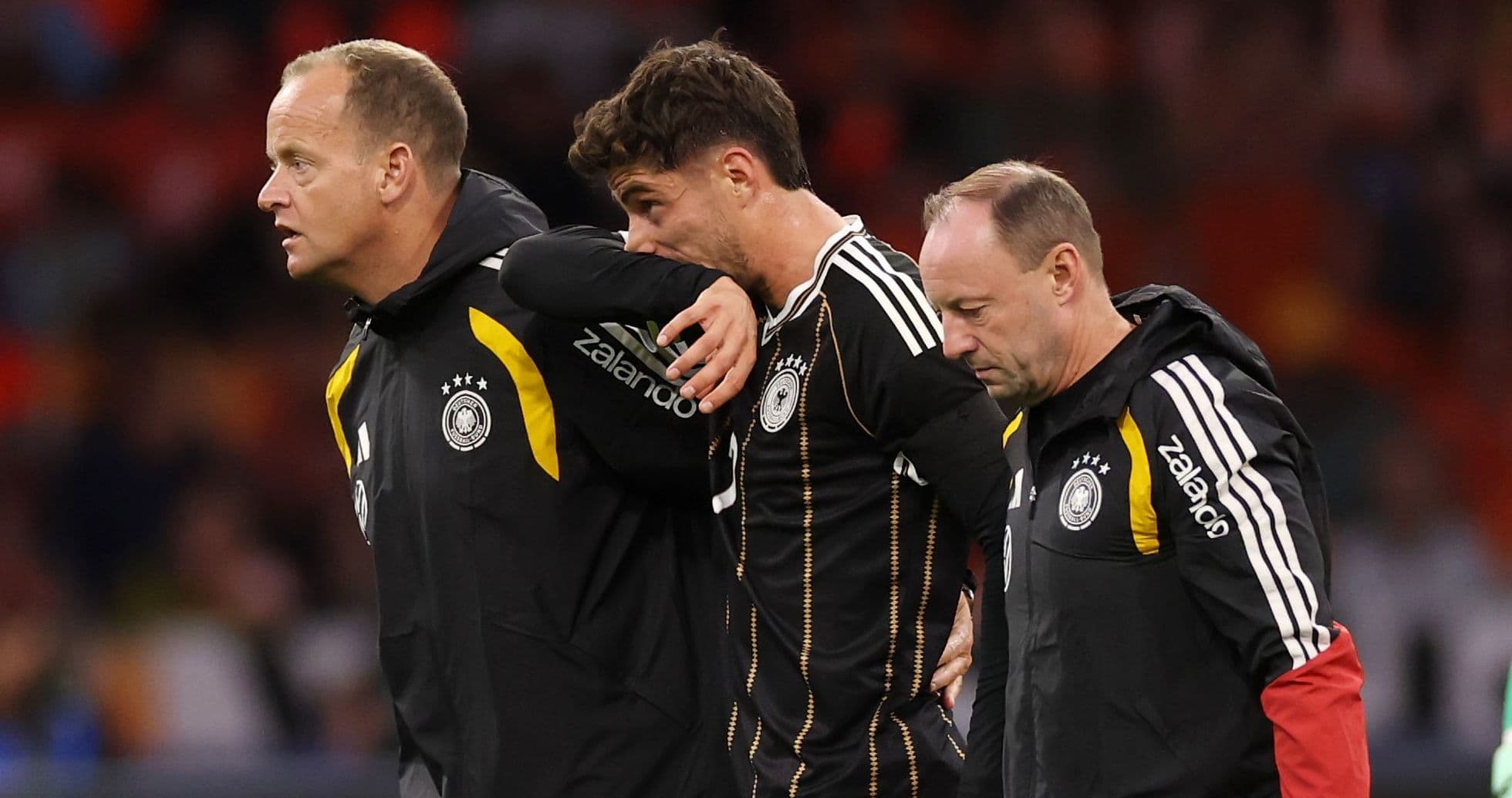
For years he has circled the same problem. Arsenal’s best players haven’t been on the pitch often enough when it matters most. Title races have tightened, Champions League nights have arrived, and too often Bukayo Saka, William Saliba or Kai Havertz have been missing or managing their way through injuries.
The frustration inside the club has been growing. This summer, it boiled over into action.
Ruthless changes behind the scenes
Shortly after Arsenal’s Champions League final defeat to Paris Saint-Germain, head of sports medicine Dr Zafar Iqbal was sacked. Tom Allen, the club’s head of sports science and performance, also departed. Lead performance coach Sam Wilson followed at the end of June.
Three big roles. Three exits. All in the same department.
This wasn’t a cosmetic shuffle. Arsenal had already conducted a full review of their medical operation last season, with Arteta bringing in long-term friend Joaquin Acedo to play a key role in that process. The conclusion was clear: if the team wanted to evolve, the structure around them had to change too.
Arteta spoke respectfully about those who left, but he did not shy away from the need for a reset.
“First of all thank you to them for all the incredible work they have done for the club, for the players, for myself – and how well they have taken us and we will look to improve and evolve in certain areas,” he said.
Then came the sharper edge.
“We need to look across the club and we have made certain decisions that in our opinion will help us in medium and long term to be better.
“They are always difficult when you talk about people and you get such a strong relationship. It is always very, very tough.”
Tough, but done. Arsenal have chosen evolution over sentiment.
A new medical profile for a new era
With the old guard moved on, Arsenal moved quickly to reshape the department.
Eneko Angulo arrived from Real Betis, where he had been head of rehabilitation. The club also appointed Arnaldo Abrantes as head doctor after his exit from Aston Villa – a hire that instantly caught the eye.
Abrantes is not the typical club doctor. Before medicine, he was a professional sprinter who represented Portugal at the 2008 Olympics. He has stood on the start line, felt the tension of elite competition, and pushed his body to its limit. Arteta clearly sees that as a weapon.
“He was a good athlete,” Arteta said, almost understating it.
But the attraction goes beyond a quick 100 metres.
“When we're trying to evolve the squad, the team and the relationships and where the game is evolving, we wanted to recruit different qualities.
“That's one, when you've been there and sensed things in a different way. But as well because of his background, his knowledge about a lot of things that I was very interested in.
“We believe he was the right fit. I'm very happy with what he's bringing.”
Arteta wants people who understand the modern demands on players not just on a screen or a scan, but in their bones. Abrantes offers that blend of medical expertise and lived experience.
Arsenal’s next competitive edge?
This is not the kind of rebuild that fills highlight reels or dominates transfer deadline day. It sits in the shadows: treatment rooms, data reports, recovery plans. But Arteta clearly believes it could be the difference between a season that fades in April and one that finishes with silverware in May.
The message is blunt. Arsenal can no longer afford to see their biggest games played without their biggest players. The manager has changed the people responsible for keeping them on the pitch.
Now the question is simple: will this be the tweak that finally keeps Arsenal’s title push intact when the pressure bites hardest?