Arsenal’s Summer Transfer Strategy: Balancing Sales and Spending
Arsenal’s accountants are as busy as their forwards this spring.
A place in the Champions League final is already secured, a Premier League title charge is still alive, and more than £120m in UEFA prize money has rolled in. Yet inside the club, the message is clear: this summer will be about selling as well as spending.
Big prizes, bigger decisions
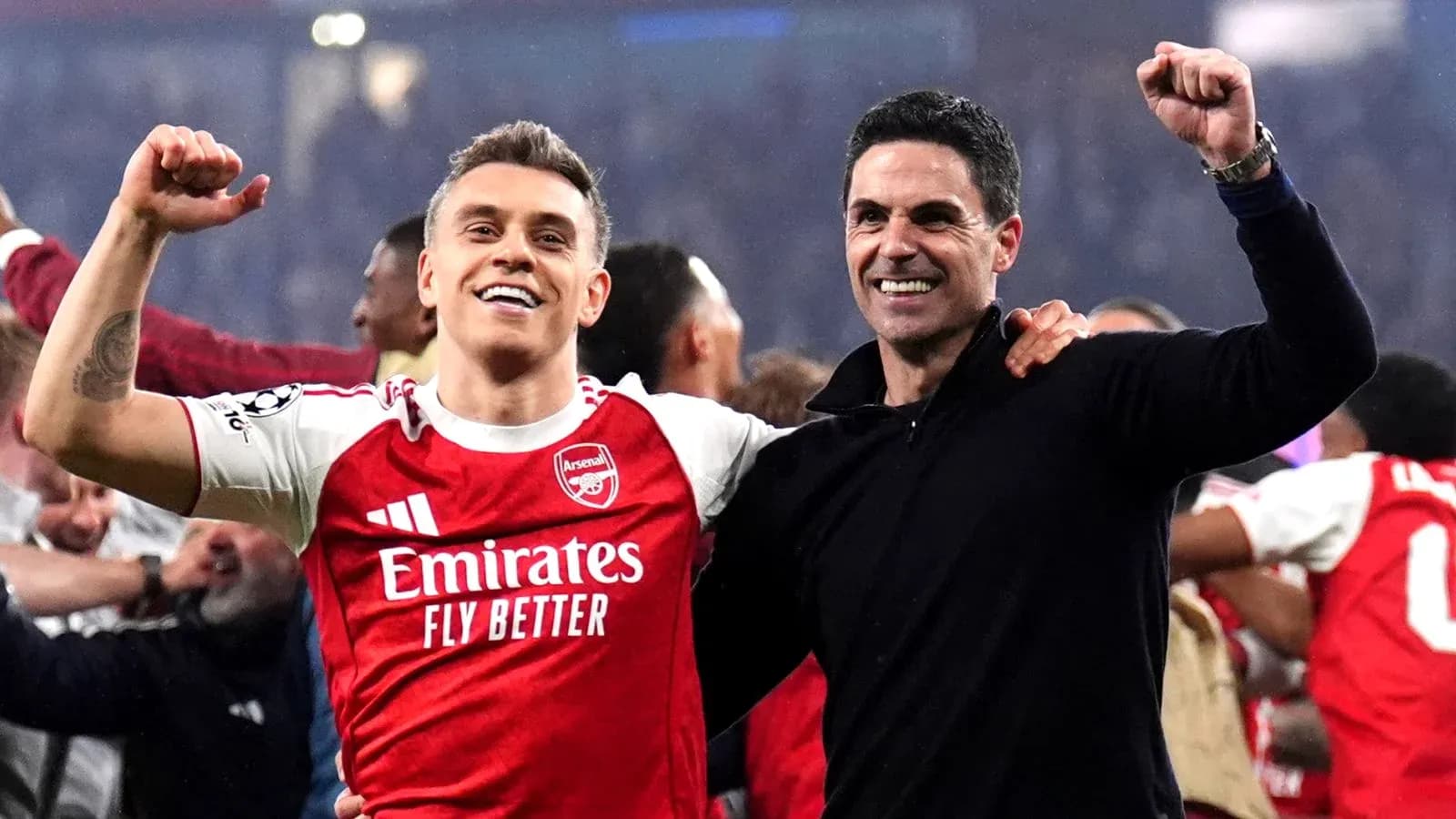
Tuesday night’s 1-0 win over Atletico Madrid sealed a 2-1 aggregate victory and booked a trip to Budapest on May 30, where Arsenal will face either Bayern Munich or Paris Saint-Germain. That semi-final triumph brought in another £16m, taking this season’s Champions League prize money haul to £122m. Lift the trophy and they bank roughly £10m more.
It comes on the back of £101m from last season’s run to the semi-finals. Two seasons, more than £220m from UEFA alone. Arsenal’s revenue machine is roaring.
Yet last summer’s transfer window still looms large. The club spent £267m on eight signings and brought in just £10m in sales. A net spend of £257m — the highest in the Premier League — is not a trick they intend to repeat.
This time, the brief is different. Arsenal want to strengthen again, but they also want a window that doesn’t tear a hole in the balance sheet.
Spending power meets new rules
The financial backdrop is complex. Arsenal announced a pre-tax loss of only £1.4m in their 2024/25 accounts, a figure that looked relatively healthy. But those numbers did not include last summer’s aggressive transfer outlay.
On top of that comes the Premier League’s new Squad Cost Ratio rule, which kicks in next season and caps spending on squad costs at 85 per cent of revenue. For a club pushing towards record income, the ceiling is high, but it is still a ceiling.
Arsenal are not in a forced-sale position. They do not need to offload players before they can buy. Yet there is a clear internal recognition: over the course of this window, meaningful sales have to happen if the club is to keep building under Mikel Arteta without drifting into dangerous financial territory.
Planning has been under way for months. Scenarios have been mapped out, targets identified, and a market quietly tested for players who could be moved on.
Big names, big questions
That process touches some established names. Ben White, Leandro Trossard and Gabriel Martinelli have all been linked with possible moves. There has also been speculation around academy products Myles Lewis-Skelly and Ethan Nwaneri, whose departures would count as pure profit on the books.
Lewis-Skelly, in particular, has complicated the picture. His standout performances in midfield against Fulham and Atletico Madrid have forced a rethink. He suddenly looks like a player who could carve out a future under Arteta, just as his emergence has pushed his valuation up for any potential sale. Keep a homegrown talent with clear upside, or cash in at peak value? It is exactly the type of dilemma a club in Arsenal’s position must solve.
One situation appears more straightforward. Jakub Kiwior seems certain to leave after Porto confirmed they have activated their option to buy him for £19m. That move is expected to unlock Piero Hincapie’s permanent £45m transfer from Bayer Leverkusen, a deal long lined up in the background.
Elite targets, elite prices
The ambition on the incoming side remains bold. Arsenal want to reinforce three key areas: attack, central midfield and full-back.
On the left wing, they are weighing up Paris Saint-Germain’s Khvicha Kvaratskhelia and Newcastle’s Anthony Gordon. Both fit the profile: high energy, high output, high cost.
Up front, Atletico Madrid’s Julian Alvarez has emerged as a serious object of interest after impressing against Arsenal in last week’s first leg in Madrid. The Argentina international is a familiar figure to Arsenal’s sporting director Andrea Berta, who oversaw Alvarez’s £82m move from Manchester City to Atletico in 2024 in his previous role with the Spanish club.
Prising him away will be anything but simple. Atletico do not want to sell and would value Alvarez at around £130m even if he pushed to leave. Barcelona and Paris Saint-Germain are also watching the situation. For Arsenal, his price tag is a stark reminder: to shop at the very top of the market, they must sell smartly and sell well.
Towards the top of the money tree
Off the pitch, Arsenal are closing in on a different kind of title. According to Sky Sports News chief correspondent Kaveh Solhekol, the club are on course to become the richest in England by revenue, overtaking Liverpool and Manchester City.
They generated a record £691m in revenue for the 2024/25 season, when they finished second in the Premier League and reached the Champions League semi-finals. That figure trailed Liverpool’s £703m and City’s £694m, but every major stream is rising sharply.
Commercial revenue jumped 41 per cent to £263m. Matchday income climbed 17 per cent to £154m. Broadcast revenue nudged up four per cent to £213m. All three are projected to hit new highs again this season, fuelled by a title race and a Champions League final.
Prize money will swell those numbers further if Arsenal finish the job domestically. They earned £171.5m from the Premier League for finishing second last season; champions Liverpool collected £174.9m. Go one better this time and the gap closes again.
Then there is the global stage. Winning the Champions League would not only deliver the biggest trophy of Arteta’s reign, it would also guarantee a place at the expanded FIFA Club World Cup in 2029. Chelsea made about £90m from winning that tournament last summer. Arsenal would expect a similar windfall.
Power, profit and the next step
All of this leaves Arsenal in a rare position: a club with surging revenues, a squad built to compete at the very top, and a fanbase dreaming of a historic double. Yet the next phase of their project may be defined less by how much they can spend, and more by how ruthlessly they can trade.
Can they turn fringe players and even prized academy products into the funds needed to land elite targets without weakening the core of Arteta’s team? The answer to that question will shape not only this summer, but the scale of Arsenal’s ambitions for years to come.