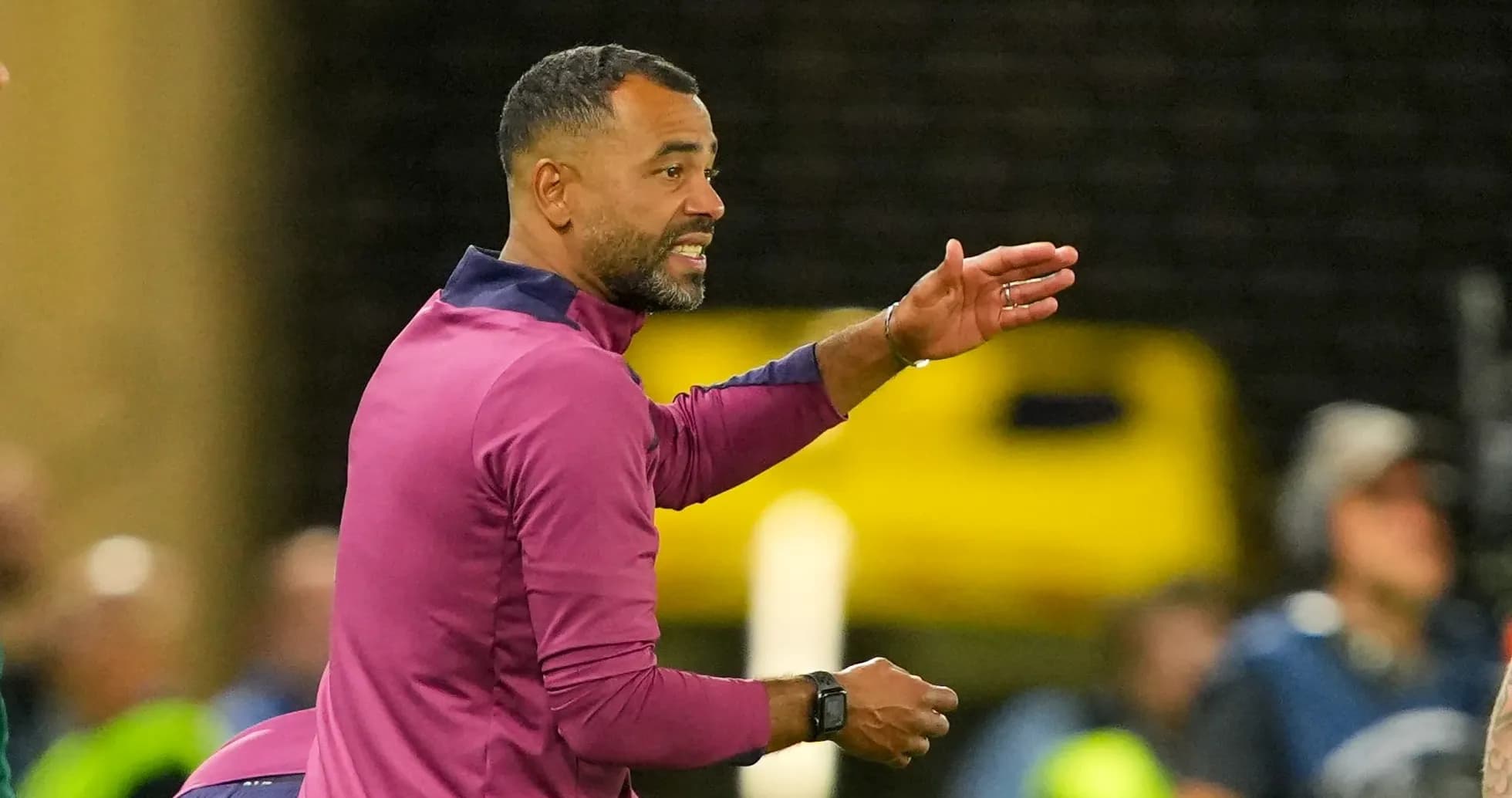
Ashley Cole's Brief Management Stint at Cesena Ends
Ashley Cole’s first taste of management in Italy is over almost before it began.
Eight games. One win. And now the former England left-back has walked away from Cesena, cutting short his debut spell in the dugout after a clash over the club’s direction.
A brief, bruising first job
Cole, 45, stepped into the Cesena job in March, a bold move into frontline management after building his coaching résumé with roles at Derby, Everton, Birmingham and with England U21s. It was a calculated gamble for both sides: a rookie head coach with elite playing pedigree taking charge of an ambitious Serie B club with promotion aspirations.
The experiment never really caught fire.
Across eight matches, Cesena collected just one victory, along with three draws and four defeats. The numbers told a harsh story, but they didn’t stand alone. From the outset, parts of the fanbase questioned the appointment, wary of a big name with limited experience and a different footballing culture. Behind the scenes, whispers grew that some senior players were unconvinced by the new regime.
The atmosphere around the project began to fray quickly.
Cole’s message and the turning point
Cole chose Instagram to confirm his departure, striking a tone of respect and gratitude rather than frustration.
“As my tenure at Cesena FC concludes today, I want to thank the players and staff for their hard work and commitment over the last few months,” he wrote. “I was proud to bring my experience to such a passionate club, and I’ve truly enjoyed working with the squad to introduce a new identity and prepare for the season ahead.”
The key line came away from the emotion. Cole made it clear this was his call.
His agreement with Cesena had always been short-term, structured around performance-related clauses that could trigger an extension. That flexibility gave both sides an escape route. When talks with the hierarchy took a new turn, Cole chose to use it.
“Following recent discussions with the Sporting Director regarding a change in the club’s strategy, I have decided that it is best for me to move on,” he explained. “I leave with great respect for all the people there, as well as the fans, and look forward to my next challenge.”
The club wanted to pivot. Cole didn’t see himself in that picture. The split followed.
Lost in translation
Results were only part of the problem. The setting mattered.
Cesena sits in Emilia-Romagna, a region steeped in Italian football culture and identity. Cole had lived in Italy before, spending two seasons with Roma between 2014 and 2016, but this was different. As a player, you can get by with fragments of the language and a dressing room full of polyglot teammates. As a head coach, nuance is everything.
Cole admitted that the language barrier cut deep into his work. Communicating tactical details, in-game adjustments, and a new playing identity to a largely Italian-speaking squad became a daily battle. Ideas that might have been clear on the training pitch in England risked getting lost in translation in Cesena.
When the results dipped, that communication gap only widened the distance between coach, players and supporters. The project began to look fragile, and when the club decided to shift strategy, his position became increasingly untenable.
What next for both sides?
With Cole gone, Cesena move quickly to reset. The vacancy has already attracted familiar names on the Italian circuit, with Guido Pagliuca, Emanuele Troise and Stefano Vecchi all linked as potential successors. The club’s next choice will say plenty about how radical this new “strategy” really is.
Cole, meanwhile, re-enters the market as a free agent coach with a short, testing spell in Serie B on his record but a heavyweight playing career still carrying weight in boardrooms. A 107-cap England international, nearly 400 Premier League appearances, and a reputation as one of the finest full-backs of his generation remain powerful calling cards.
His first head-coaching job has ended quickly and painfully. The question now is whether that eight-game crash course in Cesena becomes a warning, or a foundation, for whoever offers him the next chance.