Barcelona's Captaincy Dilemma: Who Will Lead the Team?
Barcelona’s armband, once the most stable symbol in a turbulent club, is suddenly without an obvious owner.
Marc-André ter Stegen’s loan move to Ajax has already ripped up last season’s leadership order. Ronald Araujo’s potential switch to Liverpool threatens to tear up the rest. What looked like a smooth transition has turned into a scramble.
Until the end of last season, the hierarchy was clear: Ter Stegen, Araujo, Frenkie de Jong, Raphinha, Pedri. Five names, five reference points in a dressing room still learning to live with its own youth. Now two of those pillars are gone or on the brink, and Hansi Flick is being forced to redraw the map of authority inside his squad.
De Jong: the obvious choice with a complicated reality
On paper, Frenkie de Jong is the natural successor. Senior, respected, technically untouchable. He has lived through the post-Messi chaos and come out as one of the few constants.
But the situation is anything but simple.
De Jong is injured, and his recovery has become a point of tension behind the scenes. Inside the club, there is frustration over the perception that the Dutchman has leaned toward prioritising the World Cup with the Netherlands over Barcelona’s immediate needs. That debate has clouded what should have been a straightforward call: hand him the armband and move on.
Instead, Barcelona are staring at a captain who might not be fully fit, and whose long-term future is not entirely clear. For a team trying to reset its identity, that uncertainty matters.
Raphinha steps into the void
This is where Raphinha’s rise becomes crucial.
According to Mundo Deportivo, the Brazilian has quietly grown into one of the most influential figures in the squad. Not just with his goals and assists, but with his voice, his personality, his daily presence around the training ground.
Teammates respond to him. He competes hard, he argues, he celebrates, he protects. Those traits have pushed him from being just another starter to a genuine locker-room reference. In a group full of academy products and emerging stars, Raphinha has become one of the adults in the room.
If De Jong’s fitness and future raise questions, Raphinha offers clarity. He looks like the player most ready to carry the armband on a regular basis, even if he is not the most senior by age or service.
Pedri, Eric Garcia and the La Masia line
Pedri is expected to sit alongside De Jong and Raphinha in the leadership group. Still only in his early twenties, he already plays with the weight of a veteran. His calm on the ball, his intelligence, and the way he carries himself have marked him out as a long-term cornerstone.
But Barcelona do not just want captains. They want symbols.
That is where La Masia comes in, and where Eric Garcia’s name gains strength. The defender, shaped in the club’s academy and tested at the highest level after his spell at Manchester City, understands the demands that come with the shirt. He knows what it means to represent the youth system, to bridge the gap between the kids coming through and the expectations of the first team.
Within the options to fill out the captaincy group, Garcia is viewed as one of the strongest candidates. He brings experience, a tactical brain, and a clear emotional link to the club’s identity. For a board and a coach trying to re-root Barcelona in its traditions, that combination is powerful.
Gavi: youth with an old soul
Then there is Gavi.
Only 22, but already hardened by big nights, big pressure, and big responsibility. He plays with an intensity that has become shorthand for what Barcelona want to see from their own: aggression, passion, refusal to hide.
His age might count against him in a strict seniority chart, yet his profile screams future captain. He embodies the club’s values in the rawest possible form. Every tackle, every press, every argument with an opponent feels like a statement about what he believes Barcelona should be.
If the armband does not land on his arm now, it is hard to imagine a future in which it does not.
Flick’s bridge between bench and pitch
All of this is more than a cosmetic decision.
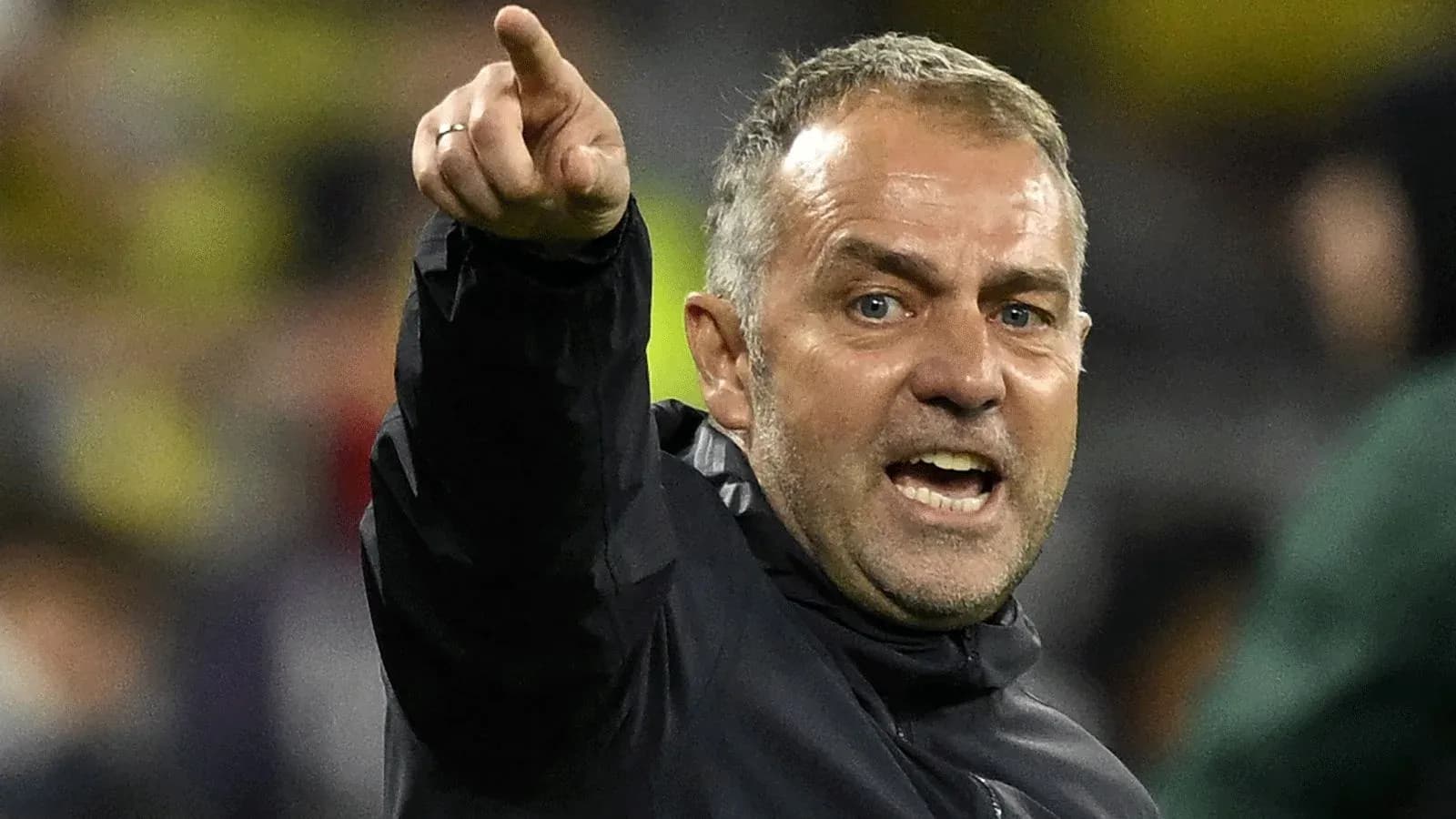
Hansi Flick walks into a dressing room loaded with talent but still short on fully formed leaders. With the competitive season fast approaching, the board and coaching staff are under pressure to lock in a captaincy group that can carry messages from the bench to the pitch and set standards when the staff are not in the room.
Discipline, morale, and identity will run through this small circle of players. De Jong, if fit, remains the most senior survivor from the previous cycle. Yet his injuries and the doubts around his long-term role mean the day-to-day burden is likely to fall on Raphinha and the La Masia graduates around him.
Barcelona have spent years searching for a new footballing project. Now they have to decide something just as delicate: who they trust to lead it.