Barcelona Trusts Alvaro Cortes After Araujo's Departure
Ronald Araujo’s move to Liverpool has ripped a hole straight through the heart of Barcelona’s defence. For most clubs, that kind of departure triggers a frantic trawl through the market, a rush of names, agents, and negotiations.
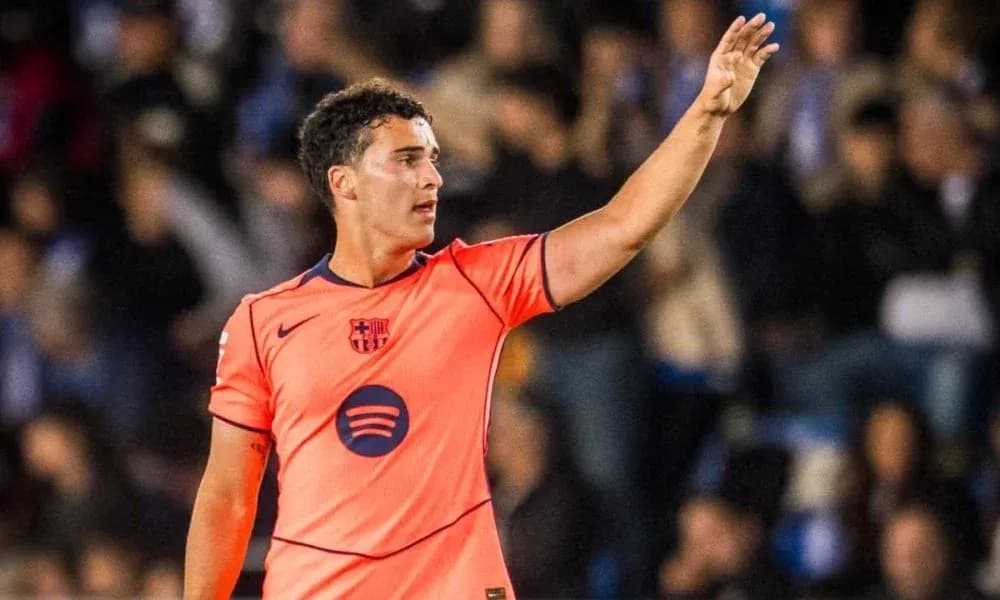
Barcelona have chosen a different route. They’re looking inwards. They’re looking at Alvaro Cortes.
From project to pillar
Inside the club, this wasn’t a name plucked from nowhere. According to SPORT, the plan to promote Cortes had already been drawn up; Araujo’s exit has simply fast‑tracked it and given it real weight. The 21-year-old is no longer being talked about as “one for the future”. He is being positioned as the direct heir to the departing captain.
Cortes’ rise has been steady rather than spectacular. A La Masia product, he has climbed each rung of the ladder, and last season he crossed the threshold that really matters: Hansi Flick handed him his first-team debut. Not a token five minutes at the end. A start. On the left side of central defence, no less – a role that carries particular tactical importance in Barcelona’s build-up and pressing structure.
Flick liked what he saw. So did sporting director Deco. Inside the sporting department, their verdict has been decisive: Cortes stays with the first team this season, and Araujo’s departure only hardens that stance.
No Galáctico defender, no panic
The obvious reaction to losing Araujo would have been to chase a big name. Cristian Romero has admirers at the club. Aymeric Laporte fits the profile of a left-sided centre-back who can handle the ball. Both have been discussed.
Both, for now, have been ruled out.
The message from the sporting leadership is clear: Barcelona will not sign a like-for-like replacement just to soothe nerves. They believe they already have enough in-house. Flick is prepared to go into the season with Pau Cubarsi, Gerard Martin, Andreas Christensen and Cortes as his core group of centre-backs.
Behind them, there is cover. Eric Garcia, back from loan spells and eager to reassert himself. Jules Kounde, capable of sliding inside from right-back when needed. Even Rodri, who has experience dropping into the back line, offers another option.
The decision is bold. It is also very Barcelona. When the money is tight and the academy is rich, the club’s identity demands that someone like Cortes is given a chance.
Built for Flick’s football
What makes Cortes more than just a convenient internal solution is how closely his profile matches Flick’s demands.
At around 1.90 metres, he brings a physical presence that Barcelona’s back line has often lacked on set pieces and in direct duels. He attacks aerial balls, relishes contact, and doesn’t shy away from the one‑v‑one battles that come with defending a high line.
But size alone doesn’t earn trust in this system. Flick wants defenders who can live on the halfway line, who read danger early and step out with conviction. Cortes does exactly that: he is proactive when jumping into passing lanes, quick enough to cover the space behind, and comfortable defending large open zones when the team pushes up.
On the ball, he offers another layer. Naturally left-footed, he gives balance to the build-up, opening angles that a right-footer on that side simply cannot. He can play through the lines, switch play with longer diagonals and, crucially for Barcelona, start attacks rather than just recycle possession.
Cubarsi remains the cornerstone, the young prodigy around whom the back line is being built. Gerard Martin can also operate on the left. Christensen provides reliability and experience. Cortes, though, brings a different mix: height, anticipation, and that left-footed distribution that coaches obsess over.
Market on hold, spotlight on Cortes
None of this means Barcelona have slammed the door on the transfer window. Inside the club, they are still weighing the overall balance of the squad, still asking whether another proven centre-back might be required if injuries or form bite later in the season.
But the immediate consequence of Araujo’s move is already clear. Cortes’ status has changed overnight. He is no longer the academy kid training with the seniors, waiting for Copa del Rey minutes. He is part of the real conversation, part of the real competition for places.
The pressure will be heavy. Filling the void left by a captain and leader like Araujo is not a fair task for any 21-year-old. Yet Barcelona have decided that this is the moment to trust their own.
If Cortes responds the way Flick and Deco believe he can, Araujo’s departure will not just mark the end of an era at the back. It could mark the start of another – one built once again on La Masia’s production line, with a new left-footed pillar stepping out from the shadows and into the centre of the Camp Nou stage.