Bayer Leverkusen Secures 2-0 Victory Over Olympiakos Piraeus
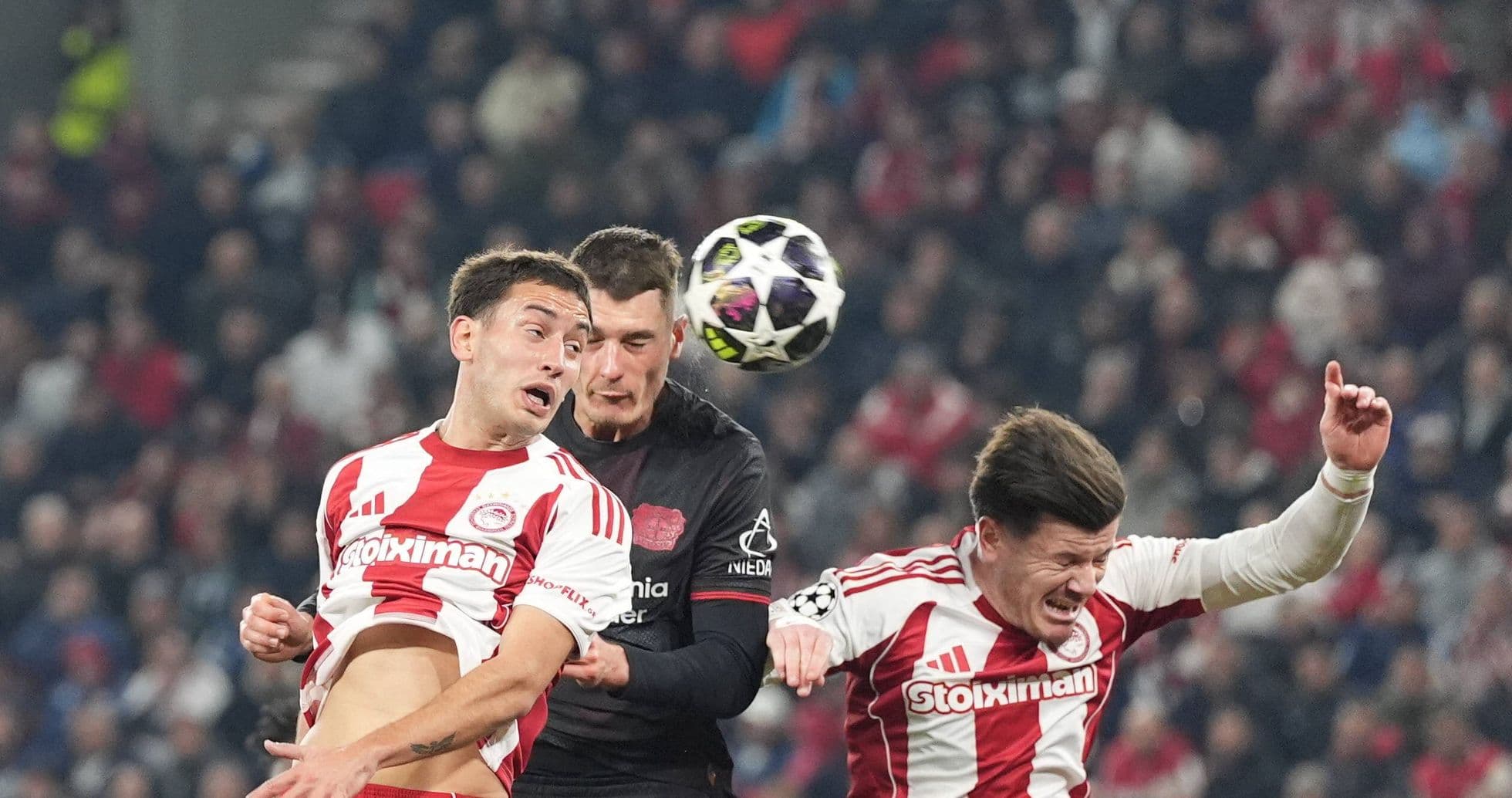
At Georgios Karaiskakis Stadium in Piraeus, Bayer Leverkusen took a significant step towards the UEFA Champions League Round of 16 with a controlled 2–0 away win over Olympiakos Piraeus. After a tight, goalless first half that included a VAR intervention against the hosts, Patrik Schick struck twice in three minutes after the break to give Kasper Hjulmand’s side a clear advantage in this Round of 32 tie. The result leaves Leverkusen, who started the night 16th in the overall standings with 12 points and a -1 goal difference, looking upward, while 18th-placed Olympiakos (11 points, -4) face an uphill task in the return leg.
First-half analysis
Luis Mendilibar Jose set Olympiakos up in a 4-2-3-1, and his side tried to be aggressive early, but their main mark on the opening stages was disciplinary rather than attacking. Ayoub El Kaabi went into the book on 13' for a foul, an early yellow that slightly constrained the centre-forward’s ability to press and challenge aerially.
Leverkusen, aligned in a 3-4-2-1 under Hjulmand, were patient rather than expansive before the interval. Their only card of the night came on 42', when Aleix García was booked for a foul, underlining a midfield battle that was combative but short on clear openings.
The pivotal moment of the half arrived in first-half stoppage time. At 45+2', Mehdi Taremi thought he had broken the deadlock for Olympiakos, only for VAR to intervene and cancel the goal. With no goals and limited clear chances otherwise recorded, the disallowed strike was the one genuine flashpoint before the sides went in level at 0–0.
Second half and tactical shifts
Mendilibar reacted immediately at the break, reshaping his back line. Lorenzo Pirola was withdrawn at 46', with Giulian Biancone coming on in what looked like a like-for-like change at left-sided defence, perhaps to add fresh legs and more attacking thrust from deep.
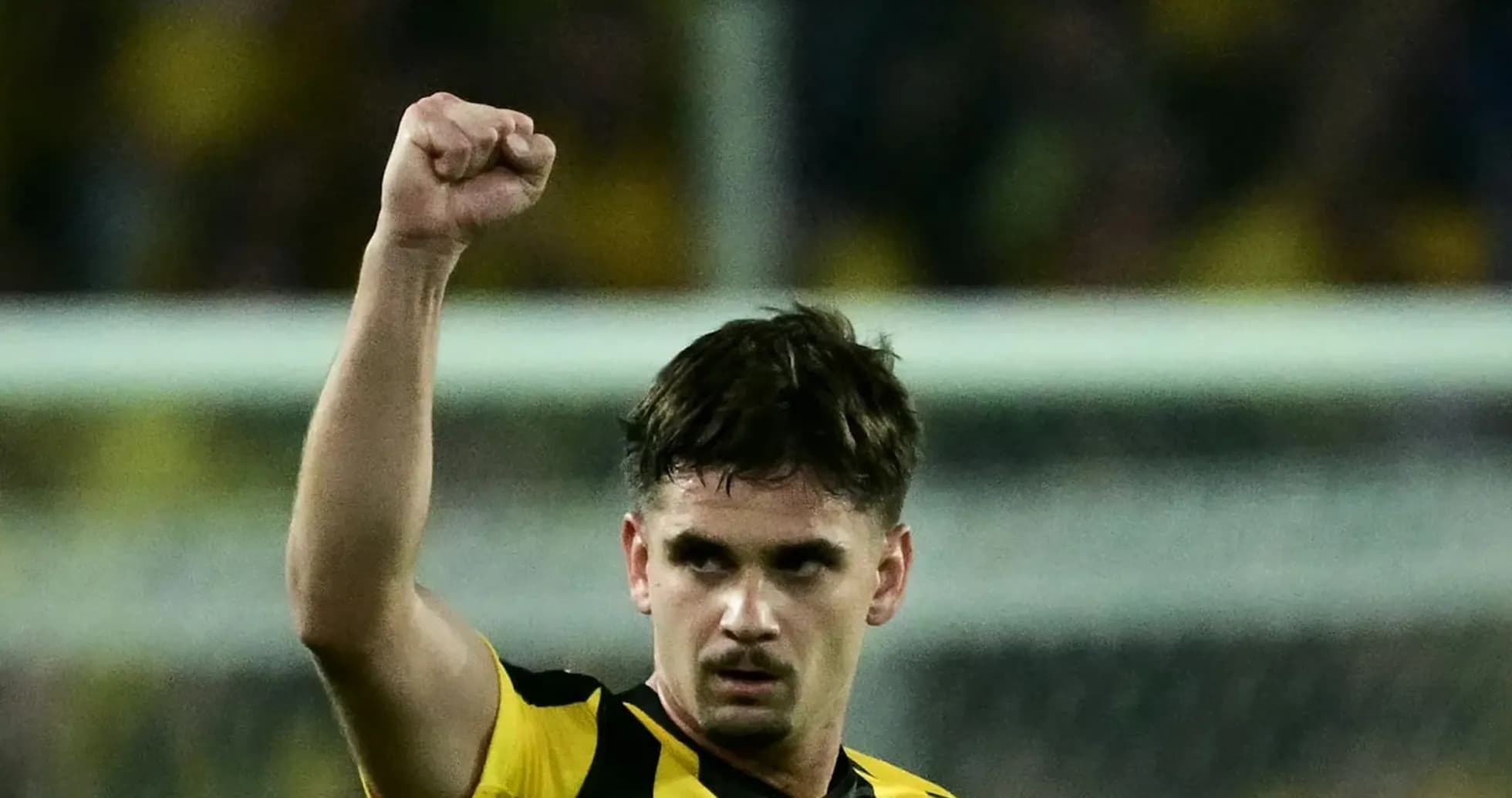
The game’s balance shifted decisively around the hour. On 60', Leverkusen finally converted their territorial edge as Patrik Schick scored the opener, finishing a move created by Ernest Poku. Just three minutes later, at 63', Schick struck again, this time assisted by Alejandro Grimaldo, to put the visitors 2–0 up and firmly in control of the tie.
Olympiakos responded with a double attacking change on 64'. Daniel Podence made way for André Luiz, adding a more direct forward presence, while Taremi was replaced by Chiquinho, a creative midfielder, as Mendilibar sought extra invention between the lines. Hjulmand mirrored the refresh on the hour mark, withdrawing Ibrahim Maza for Malik Tillman at 64' to add fresh energy in the advanced midfield role behind Schick.
As Olympiakos chased the game, Leverkusen managed their advantage with further substitutions. Poku, already with an assist, was replaced by Martin Terrier on 76', maintaining pace and pressing in the front line. A minute later, at 77', Lucas Vázquez came off for Arthur, a defensive-minded change on the flank to protect the two-goal cushion.
Mendilibar continued to roll the dice on 82', removing Santiago Hezze for Lorenzo Scipioni in midfield and Francisco Ortega for Bruno Onyemaechi at left-back, an attempt to inject dynamism both centrally and out wide. Hjulmand’s final moves on 87' were clearly about game management: Aleix García, on a yellow, was substituted by Ezequiel Fernández, while two-goal hero Schick was replaced by Christian Kofane to preserve his fitness and add fresh running up front. Leverkusen then saw out the remaining minutes without further incident.
Statistical deep dive
Over the 90 minutes, Leverkusen controlled 58% of the ball, leaving Olympiakos with 42% and often chasing the game, especially after going behind. Hjulmand’s side also displayed superior ball circulation, completing 499 of 591 passes for an 84% accuracy rate, compared to Olympiakos’ 328 of 414 (79%). That extra composure in possession underpinned Leverkusen’s ability to dictate tempo once ahead.
In attack, the contrast in efficiency was stark. Olympiakos actually attempted more shots overall (13 to Leverkusen’s 8) but managed only 1 on target, reflecting their struggles to turn pressure into genuine danger. Their expected_goals figure of 0.87 underlines how few high-quality chances they created. Leverkusen, by contrast, were ruthlessly effective: 5 shots on goal from 8 total attempts, with an expected_goals of 1.95 that aligns closely with their two-goal haul.
Discipline-wise, the match was competitive but not overly ill-tempered. Leverkusen committed 9 fouls to Olympiakos’ 7, and both sides received one yellow card apiece (El Kaabi and Aleix García). With no red cards and no recorded goals_prevented by either goalkeeper, the story was less about heroic last-ditch defending and more about one side taking its chances.
Standings and implications
In the broader Champions League picture, this result nudges Leverkusen, who began the night 16th with 12 points and a -1 goal difference, towards a stronger position in the play-off race, now boasting a healthier scoring record away from home (they already had 2 wins, 1 draw, 1 loss on the road, goals 5–4). Olympiakos, 18th with 11 points and a -4 goal difference before kick-off, see their margin for error shrink. Their previously solid home record (1 win, 2 draws, 1 defeat, goals 6–5) has taken a dent, and they will need a markedly sharper attacking display in the return leg to overturn this 2–0 deficit and keep their promotion hopes alive.