Bayer Leverkusen vs Olympiakos Piraeus: Champions League Clash
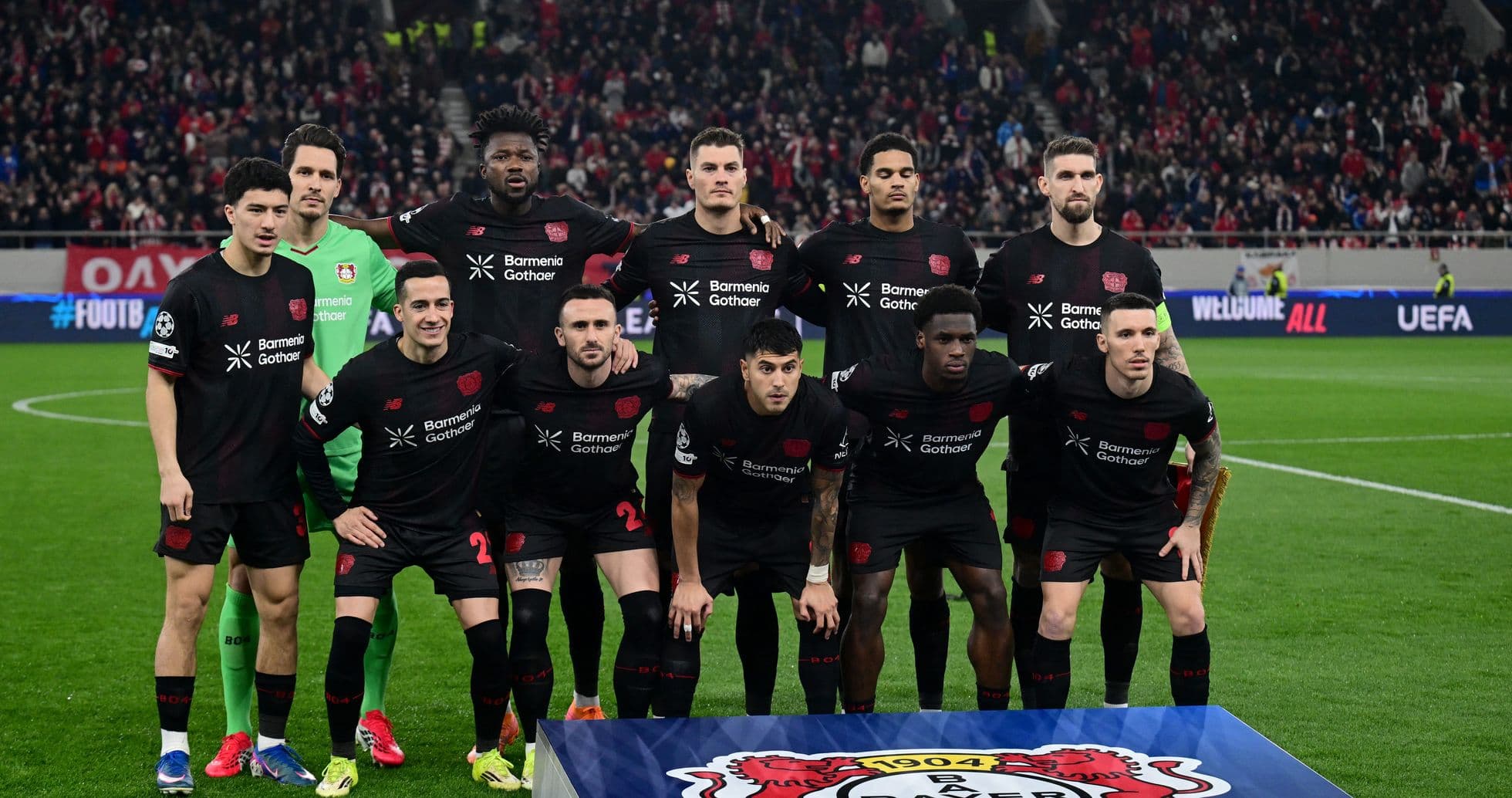
Bayer Leverkusen host Olympiakos Piraeus at the BayArena in the UEFA Champions League Round of 32 on 24 February 2026 (20:00 UTC). Leverkusen arrive 16th in the overall Champions League table with 12 points and a -1 goal difference, while Olympiakos sit 18th with 11 points and a -4 goal difference. Both progressed via the play-off route.
Squad Analysis: Bayer Leverkusen
Leverkusen’s Champions League campaign has been defined by attacking productivity and defensive volatility. Across 9 matches they have scored 15 goals, averaging 1.7 per game, but conceded 14 at 1.6 per match. At home they are particularly open: 8 goals scored and 10 conceded in just 4 fixtures, a 2.0–2.5 home goals-for/against split.
Clean sheets (4 in 9 games) underline that when their structure holds, it is effective, especially away where they have allowed only 4 goals in 5 matches (0.8 per game). However, the heaviest home defeat of 2-7 shows how badly things can unravel if their aggressive 3-4-2-1, used in 8 of 9 games, is bypassed.
Availability is a concern. E. Ben Seghir (ankle injury), M. Flekken, N. Tella and I. Traore are all listed as “Missing Fixture”, weakening depth across attack and goalkeeping. L. Bade is “Questionable”, potentially thinning defensive options. In midfield, R. Andrich brings edge but also risk: he has 1 red card in 6 appearances, with 481 minutes played and 338 passes, indicating a regular starter who can both circulate possession and cross the disciplinary line.
Squad Analysis: Olympiakos Piraeus
Olympiakos arrive with a more conservative attacking record but similar defensive fragility. They have scored 10 goals in 9 matches (1.1 per game), noticeably lower than Leverkusen’s 1.7, but conceded 16 (1.8 per game), slightly worse than Leverkusen’s 1.6. Away from home they are particularly vulnerable: 9 goals conceded in 4 away games, an average of 2.3 per match.
Their 4-2-3-1 shape has been used in all 9 fixtures, underlining tactical continuity. Despite only 3 clean sheets overall, they have shown they can lock games down, with 2 of those shutouts coming at home. A biggest away defeat of 6-1 highlights how exposed they can be when chasing matches.
Discipline and midfield bite are embodied by Santiago Hezze. In 8 appearances (609 minutes), he has 3 yellow cards and 1 yellow-red, committing 13 fouls and winning 17 tackles and 17 interceptions. His 268 passes and 7 key passes show he is also central to build-up. Olympiakos will be without K. Angelakis, Rodinei, R. Vezo and Y. Yazici (all “Missing Fixture”), removing rotation options in defense and attack.
Key Matchups & Tactical Trends
1. Leverkusen Attack vs Olympiakos Away Defense
Leverkusen’s home attack, with 8 goals in 4 games (2.0 per match), faces an Olympiakos defense that has leaked 9 goals in 4 away fixtures (2.3 per match). The German side’s biggest home win of 3-0 shows their capacity to dominate when they score first, while Olympiakos’ 6-1 away loss underlines how their 4-2-3-1 can collapse under sustained pressure. This clash of a high-volume home offense against an away defense conceding heavily tilts the attacking edge toward Leverkusen.
2. Control vs Directness in Midfield
Leverkusen’s preference for a 3-4-2-1 in 8 of 9 games suggests an extra man between the lines, compared to Olympiakos’ consistent 4-2-3-1. Leverkusen have failed to score only once in 9 matches, while Olympiakos have failed to score 3 times, indicating the hosts create more reliable volume. Olympiakos, however, spread their 10 goals across the match, with 30% between minutes 46–60 and 20% in the final 15, suggesting a team that grows into games and can strike after half-time adjustments.
3. Discipline and Game Rhythm
Both sides carry disciplinary risk. Leverkusen’s card profile shows 1 red card between minutes 31–45, while Olympiakos have 1 red between 46–60. Olympiakos have accumulated at least 3 yellow cards in the 0–15 and 31–45 ranges combined, with 3 early yellows (17.65%) and 5 just before half-time (29.41%), hinting at aggressive duels as games open and tighten. Individually, Hezze’s 3 yellows and 1 yellow-red in 8 games and Andrich’s single red in 6 appearances point to a midfield battle that could swing on a suspension or numerical advantage.
Statistically, Leverkusen possess the stronger attack, with 15 goals to Olympiakos’ 10 and higher scoring averages both overall (1.7 vs 1.1) and at home (2.0 vs Olympiakos’ 1.0 away). Defensively, neither side is solid, but Leverkusen’s 1.6 goals conceded per game edges Olympiakos’ 1.8, giving the hosts a slight overall statistical advantage.