Bayern Munich's Emotional Champions League Journey: Kimmich Reflects
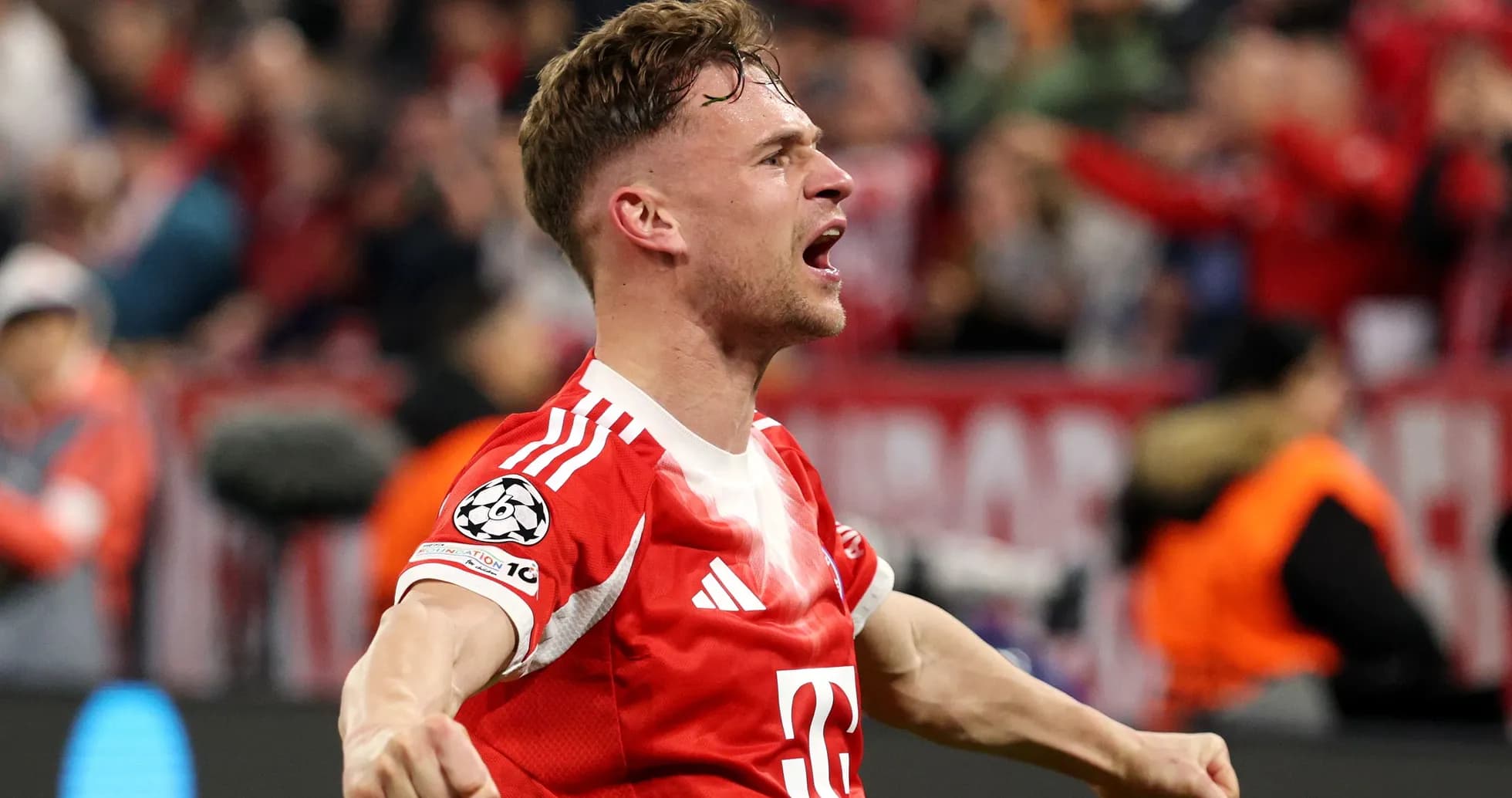
Joshua Kimmich needed a second before he answered. Asked whether this was the most emotional Champions League night of his Bayern career, the 31-year-old stared into the middle distance and searched his memory. Only one game came close: that wild 2016 round-of-16 second leg against Juventus, when Bayern roared back from 2–0 down to win 4–2 after extra time.
“I’ve had plenty of emotional evenings that went the other way,” he said. “That’s why I’m really glad we pulled it off.”
Relief, not euphoria. That was the tone from the one Bayern player willing to stand in front of the microphones. They had just knocked out Real Madrid with a 3–2 win, completed with more grit than grace, and Kimmich was delighted with the result and the resilience. He was far less impressed with the football.
“Generally speaking, it wasn’t a high-quality match,” he admitted. “If you look at the performance, it wasn’t one of our better games. There’s plenty of room for improvement.”
A win with an asterisk
Bayern looked nothing like the slick, assertive side that had bossed long stretches of the first leg in Madrid. The rhythm stuttered. The control slipped. The four-man attack, so fluid a week earlier, ran into a white wall for long periods as Real coach Alvaro Arbeloa tightened the screws.
His biggest call came at left-back. Ferland Mendy, preferred to Alvaro Carreras, tracked Michael Olise with a discipline and timing that his rival had lacked in the Bernabéu. Olise still found pockets, still carried a threat, yet he never quite ripped the game open as before. That made it all the more surprising when UEFA handed him the man-of-the-match award. On a night shaped by errors and fine margins, it felt like a nod to moments rather than dominance.
The numbers told a different story to the first leg as well. In Madrid, both the scoreline and the xG tilted towards Bayern (2.9–2.2). In Munich, the balance flipped: 2.3–2.1 in Real’s favour. Bayern overperformed their chances with two goals more than expected, but they also conceded one more than the data suggested they should.
At the heart of that swing stood Manuel Neuer.
Seven days earlier, the captain had been near flawless. Here, he blinked. His misjudgement gifted Real the opening goal, a mistake that rattled both him and the back line. He then played his part in the second Madrid strike as the game opened up and nerves crept in. The 3–2 final scoreline grew out of a chain of errors in which Dayot Upamecano, otherwise imposing and aggressive, also shared responsibility.
It was the kind of chaotic, nervy European night Bayern have lived through many times. This time, they came out on the right side of it. Kimmich’s verdict made clear that the result did not mask the flaws.
“It’s very good to progress with two wins against Real and still feel that we can improve,” he said, the tone sharper than the usual post-match platitudes.
For a moment, it sounded like an echo from another era.
A familiar voice in the criticism
Those words brought to mind Matthias Sammer, the former sporting director who built a reputation in Munich for cutting through the noise while champagne was still being poured. When others smiled, Sammer frowned. When others spoke of character and mentality, he demanded more control, more precision, more edge.
During his four years at Bayern, the club won one Champions League and reached three more semi-finals. Yet even in that golden spell, Sammer regularly called out sloppiness and complacency. His last months in 2016 captured the contradiction perfectly: the breathless comeback against Juventus that Kimmich recalled so vividly, followed by a brutal semi-final exit to Atlético Madrid.
The lesson from that spring still hangs over Bayern: drama in March and April guarantees nothing in May.
This season could yet serve up another old foe. The final in Budapest offers the possibility of a reunion with Atlético, but Bayern have a very different obstacle first: Paris Saint-Germain.
PSG looming, standards rising
Kimmich did not downplay what is coming. He called PSG “the team in the best form” in Europe, a side that has sharpened its edge since Bayern’s 2–1 away win in the group stage last November. That night in Paris, Bayern produced an outstanding first half, then survived with ten men after Díaz’s red card turned the second period into a siege.
They clung on. It was a victory built on defiance, not dominance.
Bayern chairman Jan Christian Dreesen still places the favourites’ tag on the reigning champions, a reminder that one group-stage win does not rewrite the hierarchy. The margins in knockout football rarely forgive repeated errors like those against Real.
Kimmich knows that. When he was asked whether that first half in Paris was the best 45 minutes of his Bayern career, he did not hesitate. “Yes,” he replied. Only one other spell could compete in his mind: the opening half of the 2016 first leg against Juventus.
Two reference points. Two very different games. One clear demand.
Against PSG, Bayern will need the suffocating dominance of that Juve first leg, when they toyed with a heavyweight, and the unshakeable resolve of the return match, when they dragged themselves back from the brink. The emotional nights are back in Munich.
The question now is whether this team can turn them into something more than memories.