Belgium vs Senegal: A Tactical Clash in the World Cup Round of 32
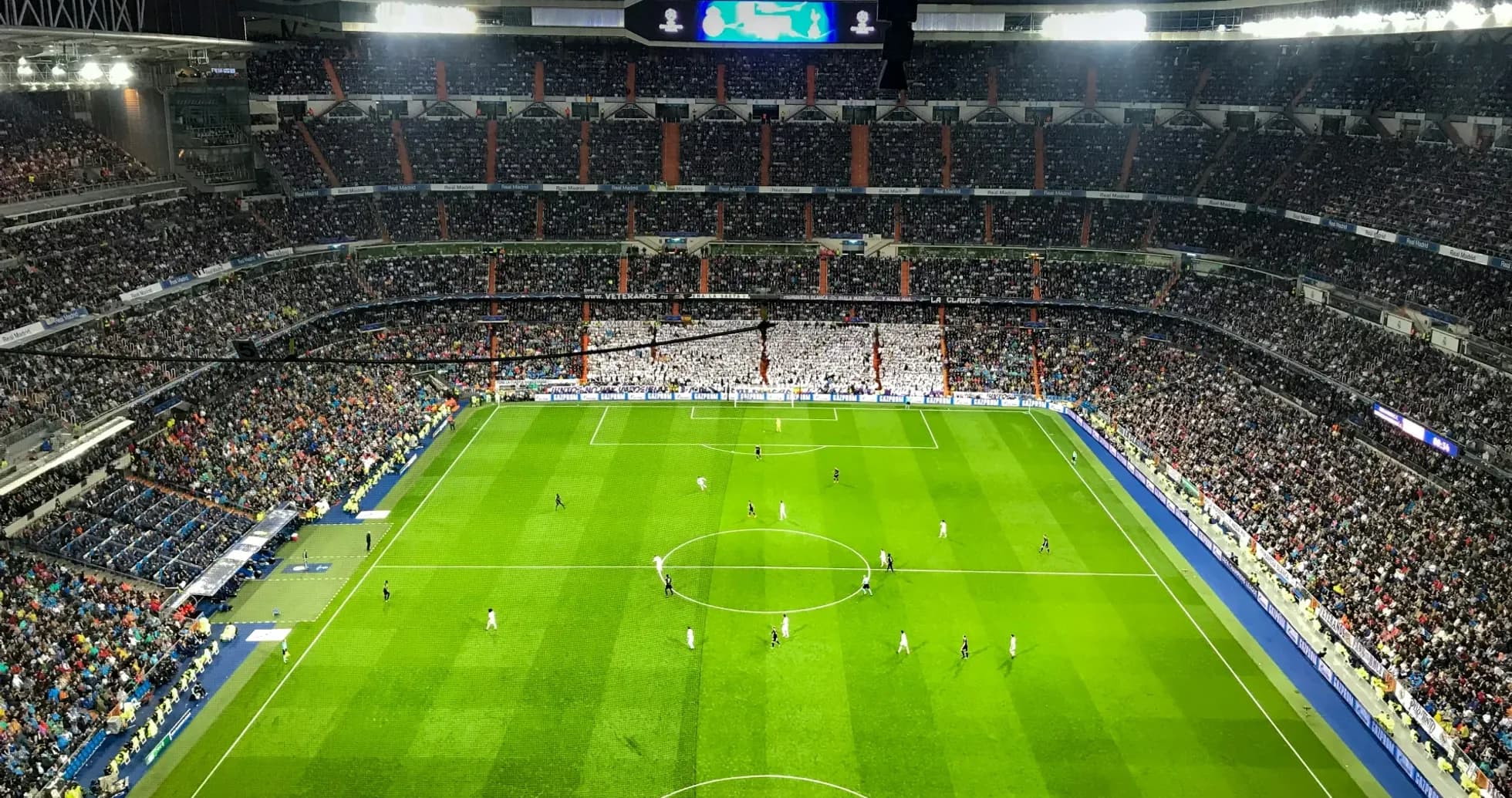
The World Cup returns to Lumen Field with a Round of 32 tie that feels like a collision of two very different footballing identities. Belgium arrive as group winners from Group G, carrying an unbeaten record and a controlled, possession-heavy rhythm. Senegal step in from Group I as a dangerous third-placed qualifier, a side that has scored freely but lived on the edge defensively. Over 120 minutes, this finished 3–2 to Belgium after extra time, and everything in the numbers suggests it was always going to be wild.
Belgium's Profile
Heading into this game, Belgium’s season profile was that of a methodical contender. Overall they had played 4 matches, winning 2 and drawing 2, with no defeats. At home they had played 3 times, with 1 win and 2 draws, while on their travels they had 1 win from 1. Their attack was steady rather than explosive: in total this campaign they had scored 9 goals, with 4 at home and 5 away. The averages told the same story of balance: 1.3 goals at home on average, 5.0 away, and 2.3 overall. Defensively they were even more controlled, conceding 4 goals in total — 3 at home and 1 away — for a clean 1.0 goals against on average in every dimension.
Senegal's Profile
Senegal, by contrast, were chaos incarnate. In total this campaign they had also played 4 matches, but with 1 win and 3 defeats, and no draws. At home they had 1 win from 1; away they had lost all 3. They had scored 10 goals overall — split evenly, 5 at home and 5 on their travels — for a total scoring average of 2.5 goals per game. But the defensive side was volatile: 9 goals conceded in total, 0 at home and 9 away, meaning 3.0 goals against on average on their travels and 2.3 overall. The goal difference picture was stark: Belgium’s group stage goal difference was +4 (6 scored, 2 conceded), Senegal’s was +2 (8 scored, 6 conceded), but in the broader campaign Senegal’s overall goal difference tightened to +1 (10 for, 9 against). This was a team that either blew you away or got blown away.
Tactical Shapes
The tactical shapes on the night mirrored those identities. Belgium stayed loyal to their 4-2-3-1, a system they had used in all 4 matches. T. Courtois anchored a back four of T. Castagne, B. Mechele, A. Theate and M. De Cuyper, with Y. Tielemans and H. Vanaken as the double pivot. Ahead of them, L. Trossard, K. De Bruyne and J. Doku formed a creative band behind C. De Ketelaere. It is a structure built for controlled progression: De Bruyne as the conductor between the lines, Doku and Trossard stretching and cutting inside, and De Ketelaere acting as a hybrid nine, linking and finishing.
Senegal answered with a 4-3-3, one of two systems they have alternated between (the other being 4-2-3-1, each used twice this tournament). M. Diaw started in goal behind a back line of K. Diatta, P. Ciss, M. Niakhate and I. Jakobs. The midfield three of H. Diarra, I. Gueye and P. Gueye provided legs and bite, while the front three of I. Ndiaye, I. Sarr and S. Mane offered pure threat. It is a front line that has carried their campaign: Ismaila Sarr came into this tie as one of the World Cup’s standout performers, with 4 goals and 1 assist from 4 appearances, 13 shots (6 on target) and a rating of 7.65. Iliman Ndiaye had added 1 goal and 2 assists in just 123 minutes, his 7.3 rating underlining his efficiency between the lines.
Absentees and Discipline
The absentees subtly reshaped both squads. Belgium were without Z. Debast due to a leg injury, removing a young defensive option from Rudi Garcia’s rotation. For Senegal, É. Mendy’s knee contusion meant M. Diaw retained the gloves; given Senegal’s away record of 9 goals conceded on their travels, the scrutiny on the back line and goalkeeper was always going to be intense.
Discipline was another undercurrent. Belgium’s card profile this campaign had been concentrated in bursts: all of their yellow cards came in two specific windows, with 50.00% between 0–15 minutes and 50.00% between 61–75 minutes. Their single red card had also arrived between 61–75 minutes, a dismissal shown to defender N. Ngoy earlier in the tournament. That red not only underlined Belgium’s occasional volatility when games become stretched in the middle third of the second half, it also removed a defender who had impressed: Ngoy had blocked 1 shot, made 4 tackles and 3 interceptions, and completed 95% of his 148 passes. Senegal, by contrast, had spread their yellows evenly: 33.33% between 16–30 minutes, 33.33% between 61–75, and 33.33% between 76–90, with no reds at all. They are aggressive, but so far controlled.
Key Battles
Within that framework, the key battles were always going to decide whether Belgium’s control could withstand Senegal’s surges.
The “Hunter vs Shield” duel centred on Ismaila Sarr against Belgium’s defensive structure. Sarr’s 4 goals in total, his 9 duels won from 41 and his ability to draw 9 fouls made him the primary hunter. Belgium’s shield was collective: a side that had conceded just 4 goals in total before this tie, with 1 clean sheet and only 1 match where they had failed to score themselves. Theate’s left-footed aggression, Mechele’s positioning and Castagne’s experience were tasked with narrowing the channels Sarr loves to attack, especially in transition.
In the “Engine Room”, K. De Bruyne versus I. Gueye framed the midfield narrative. De Bruyne, flanked by Vanaken and Tielemans, orchestrates Belgium’s tempo and final-third entries. Gueye, supported by P. Gueye and Diarra, is Senegal’s enforcer and distributor, charged with breaking up play and igniting counters towards Mane and Ndiaye. The duel over second balls and pressing triggers in central zones was always going to determine whether Belgium could pin Senegal back or whether the African champions could turn the game into a vertical sprint.
Statistical Outlook
Statistically, the prognosis tilted slightly towards Belgium’s control. They had a more balanced goal profile (2.3 scored, 1.0 conceded overall) compared to Senegal’s high-variance 2.5 scored and 2.3 conceded. Belgium had already shown they could win both a tight home game (3-2) and dominate away (1-5), while Senegal’s three away defeats and 3.0 goals conceded on their travels hinted at structural fragility once pushed back. With Belgium perfect from the spot so far — 1 penalty awarded, 1 scored, none missed — and Senegal yet to take a penalty, set-piece pressure also leaned red.
Over 120 minutes in Seattle, the narrative played out much as the numbers suggested: Belgium’s method against Senegal’s mayhem, De Bruyne’s geometry against Sarr’s chaos. Following this result, the statistical curves will bend again, but the Round of 32 at Lumen Field felt like the logical collision point of two sharply defined footballing identities.