Borussia Dortmund 2–0 Atalanta: Guirassy and Beier Shine in Champions League
Signal Iduna Park hosted a decisive UEFA Champions League Round of 32 clash on 17 February 2026, and Borussia Dortmund made their home advantage count with a clinical 2–0 victory over Atalanta. Niko Kovac’s team did the damage before the break through Serhou Guirassy and Maximilian Beier, then managed the game to protect a valuable clean sheet. Despite conceding 56% of the ball, Dortmund’s efficiency in both boxes contrasted sharply with an Atalanta side that moved the ball well but rarely turned possession into genuine threat.
First-half analysis
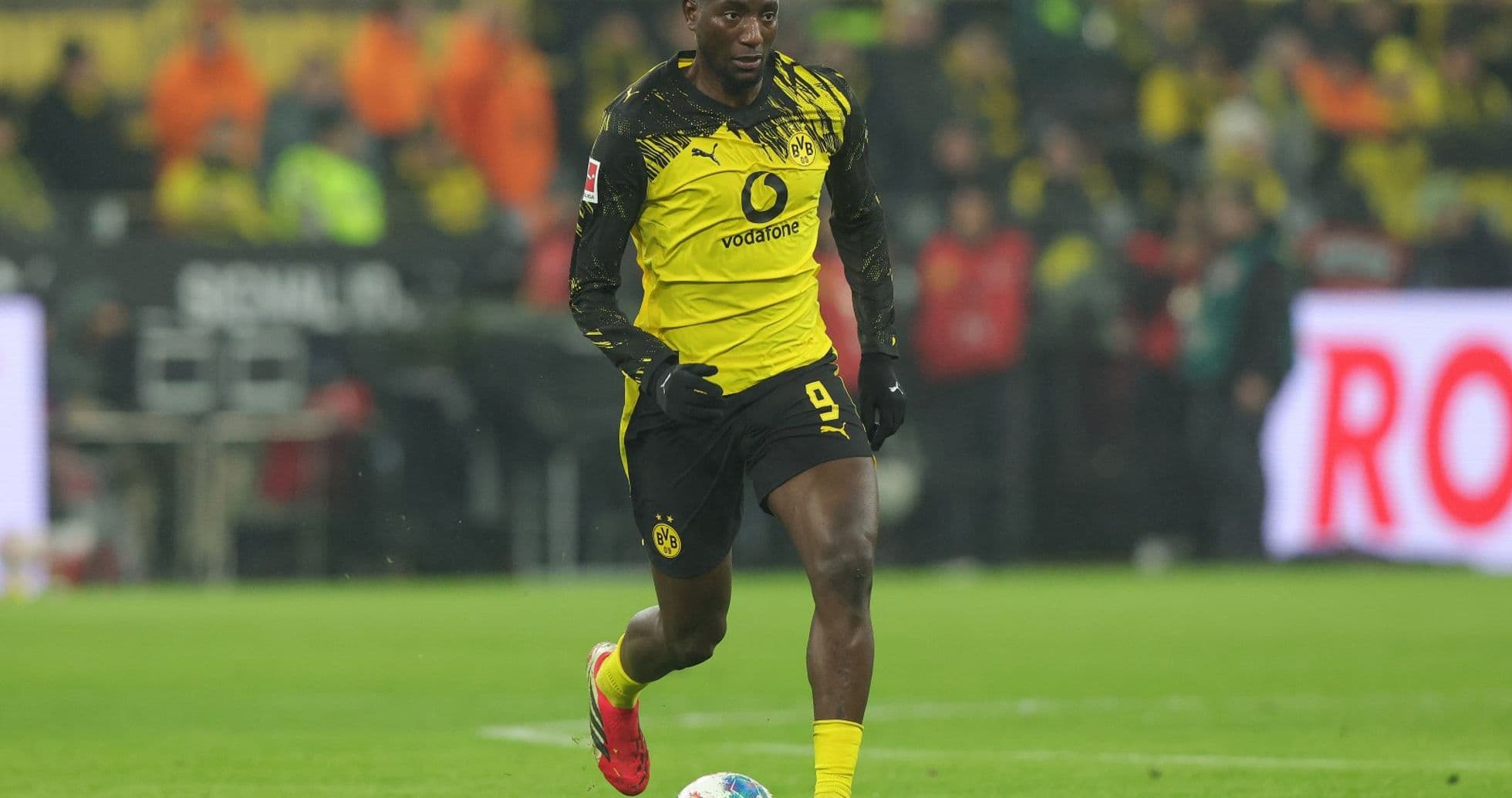
Dortmund struck almost immediately. On 3', Serhou Guirassy opened the scoring, finishing a move created by Julian Ryerson’s assist to give the hosts the perfect start and tilt the tie in their favour. The early goal allowed Kovac’s 3‑4‑2‑1 to settle into a compact shape, with the back three shielding Gregor Kobel.
Luca Reggiani’s yellow card for a foul on 18' underlined Dortmund’s aggressive defensive approach as they tried to disrupt Atalanta’s rhythm. Raffaele Palladino’s side responded by pushing their wing-backs high, but their frustration grew as the half wore on. At 40', tempers flared: Berat Djimsiti was booked for argument, while Odilon Kossounou received a yellow for a foul in the same minute, a snapshot of Atalanta’s growing irritation.
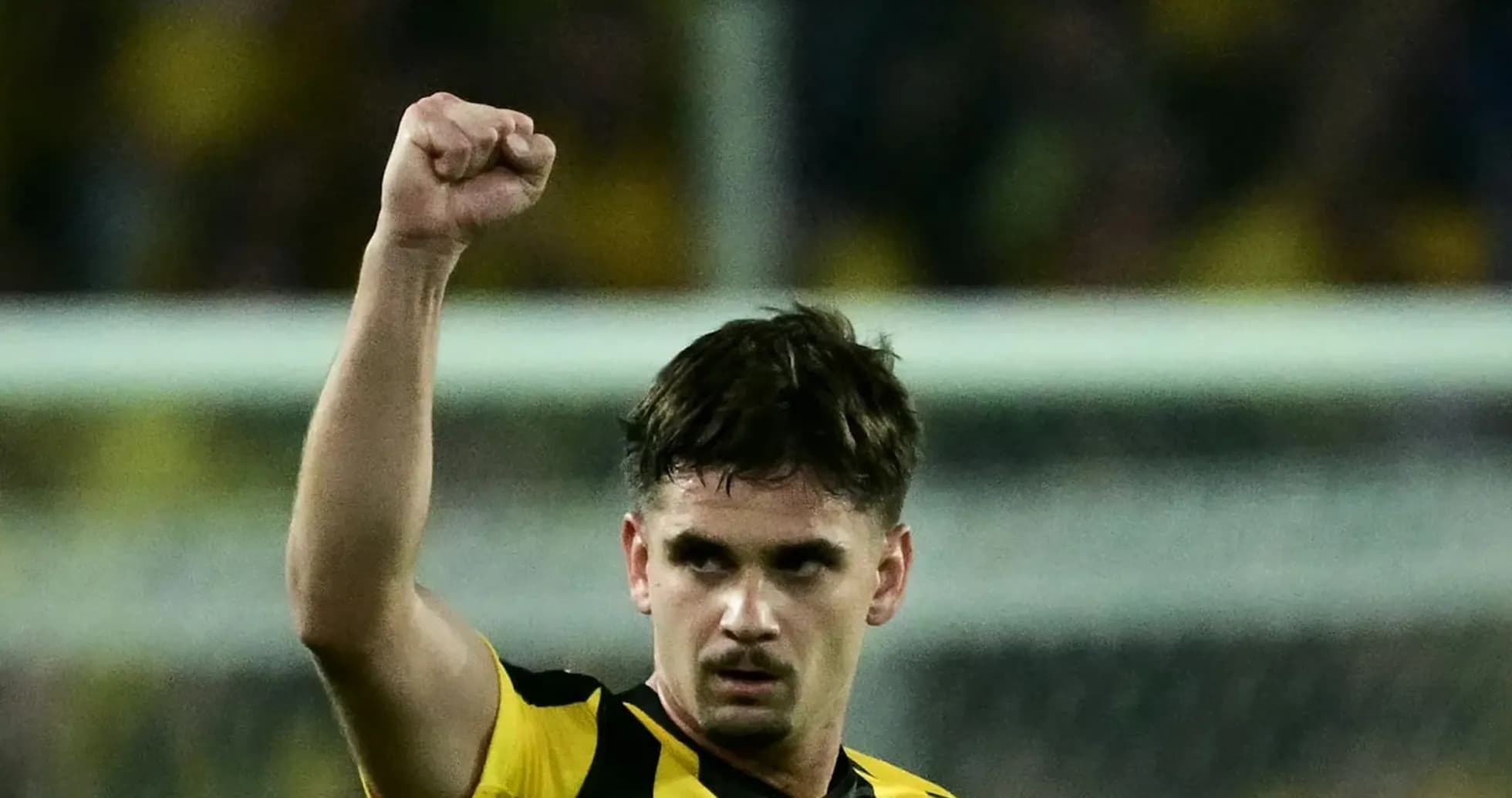
Dortmund then landed a potentially pivotal second blow. On 42', Maximilian Beier made it 2–0, finishing after Guirassy turned provider. The timing was brutal for Atalanta, who saw their centre-forward Gianluca Scamacca booked for a foul on 45+1', compounding a first half in which they trailed on the scoreboard and in discipline.
Second half & tactical shifts
Palladino reacted instantly at the interval. On 46', he withdrew Djimsiti for Isak Hien, a like-for-like defensive switch that suggested concern over a second yellow, and replaced Scamacca with Nikola Krstovic to refresh the attack. The double change was a clear attempt to inject energy and avoid a numerical disadvantage while still chasing a crucial away goal.
Dortmund’s own defensive leader Waldemar Anton went into the book for a foul on 48', a reminder that the hosts were still being stretched at times despite their cushion. Atalanta continued to circulate the ball neatly, but Dortmund’s structure limited clear openings, forcing the Italians into more patient, sideways possession rather than direct penetration.
On 63', Palladino made a more adventurous move, taking off holding midfielder Marten de Roon for Kamaldeen Sulemana. Introducing a forward for a central midfielder signalled an attacking gamble, with Atalanta effectively adding another runner to test Dortmund’s back three.
Kovac responded on 70' with a double substitution aimed at preserving intensity and offering counter-attacking threat. Julian Brandt made way for Carney Chukwuemeka, and Beier, already on the scoresheet, was replaced by the pace of Karim Adeyemi. Fresh legs in the second line of attack allowed Dortmund to threaten transitions without over-committing.
Atalanta continued to tweak their wide threat: on 72', Davide Zappacosta was replaced by Raoul Bellanova at right wing-back, and on 82' Nicola Zalewski departed for Lazar Samardzic, adding more creativity between the lines. Kovac closed ranks late on, withdrawing Felix Nmecha for Marcel Sabitzer and Guirassy for Fábio Silva on 83', prioritising control and game management over chasing a third goal. The final minutes passed without further scoring, Dortmund content to carry a two-goal advantage and clean sheet into the second leg.
Statistical deep dive
The numbers underline the contrast in approach. Atalanta controlled 56% of the ball and completed 452 of 521 passes with an impressive 87% accuracy, compared to Dortmund’s 419 passes at 83% accuracy. Yet Dortmund’s 44% share of possession was purposeful, geared towards verticality rather than sterile control.
In attack, Dortmund produced 9 total shots to Atalanta’s 7 and were more ruthless where it mattered. Both sides were similar in volume, but the hosts aligned their chances with quality: an expected goals figure of 2.09 matched their two-goal haul almost perfectly. Atalanta’s xG of just 0.46, despite 3 shots on goal, illustrates how few truly dangerous positions they created.
Discipline also shaped the contest. Atalanta committed 13 fouls and collected three yellow cards, with key defensive figures Djimsiti and Kossounou booked before the break and Scamacca cautioned on 45+1'. Dortmund, whistled for 11 fouls and shown two yellows, walked a fine line but avoided red cards. The stop-start nature of the game particularly in the first half suited Dortmund, breaking Atalanta’s passing rhythm.
Standings & implications
In the broader Champions League picture, this result is significant. Dortmund, who entered the tie 17th in the overall table with 11 points and a +2 goal difference from eight games (3W‑2D‑3L), strengthen their case as a dangerous knockout opponent, especially at home where they had already scored 10 and conceded 5 in four matches. Atalanta, ranked 15th with 13 points and a neutral goal difference (10 scored, 10 conceded), face an uphill task in the return leg after only their second away defeat of the campaign. With a two-goal deficit and no away goal, Palladino’s side must now chase the game in Italy, while Dortmund can approach the second leg with a blend of confidence and tactical pragmatism.