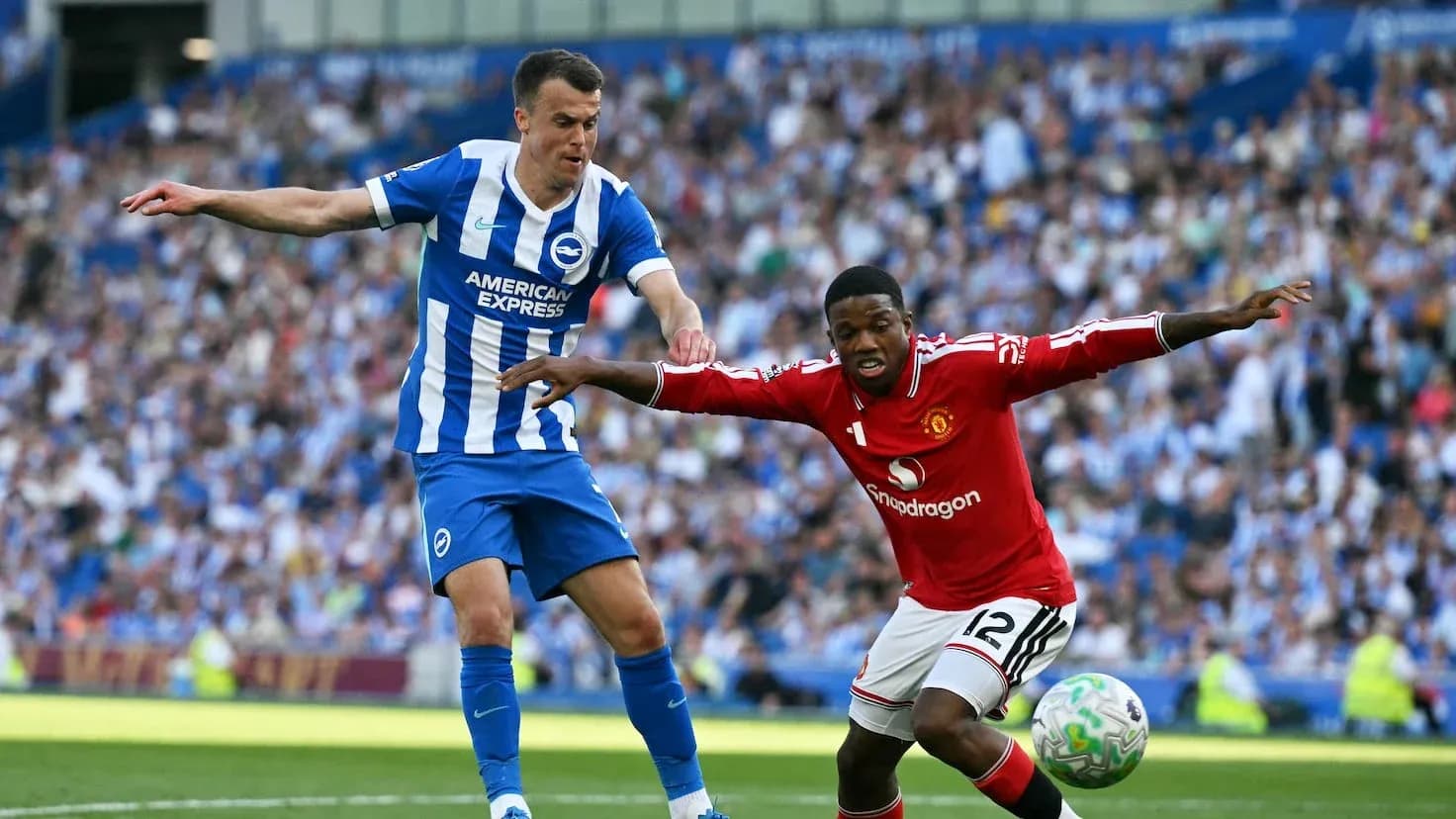
Brighton vs Manchester United: Tactical Breakdown of 0-3 Defeat
Brighton’s 0-3 home defeat to Manchester United at Amex Stadium was decided less by possession or volume of shots and more by the sharpness and structure of United’s 4-2-3-1 out of the ball, and their ruthless use of transition when it turned over. Both sides mirrored each other on paper, but the way Michael Carrick’s side manipulated the same shape – especially through P. Dorgu and B. Fernandes – exposed the structural fragilities in Fabian Hurzeler’s version.
Brighton’s 4-2-3-1, with D. Welbeck as the lone forward and M. De Cuyper and J. Hinshelwood supporting from the line of three, was built to dominate the ball. They did edge possession 51% to 49% and completed 397 accurate passes from 463 (86%), which reflects the usual Brighton commitment to short circulation and building patiently from the back. The double pivot of P. Gross and J. Milner tried to connect the back four to the advanced midfielders, but United’s pressing scheme repeatedly locked the ball to one side and forced Brighton into riskier central passes.
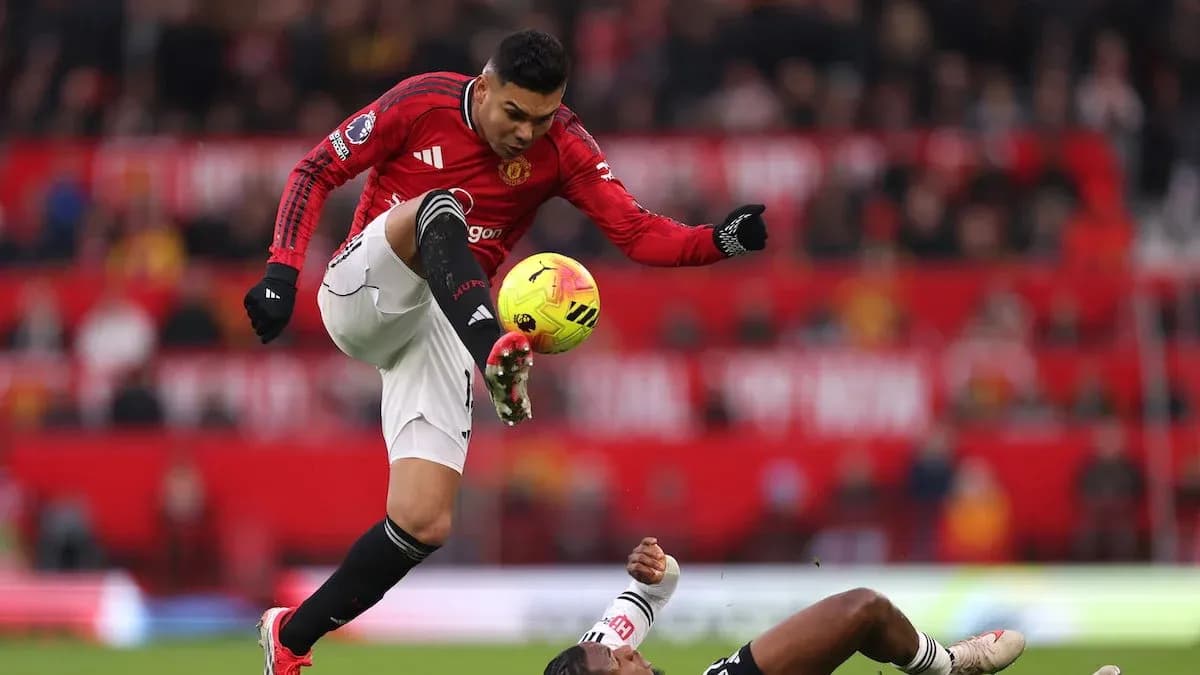
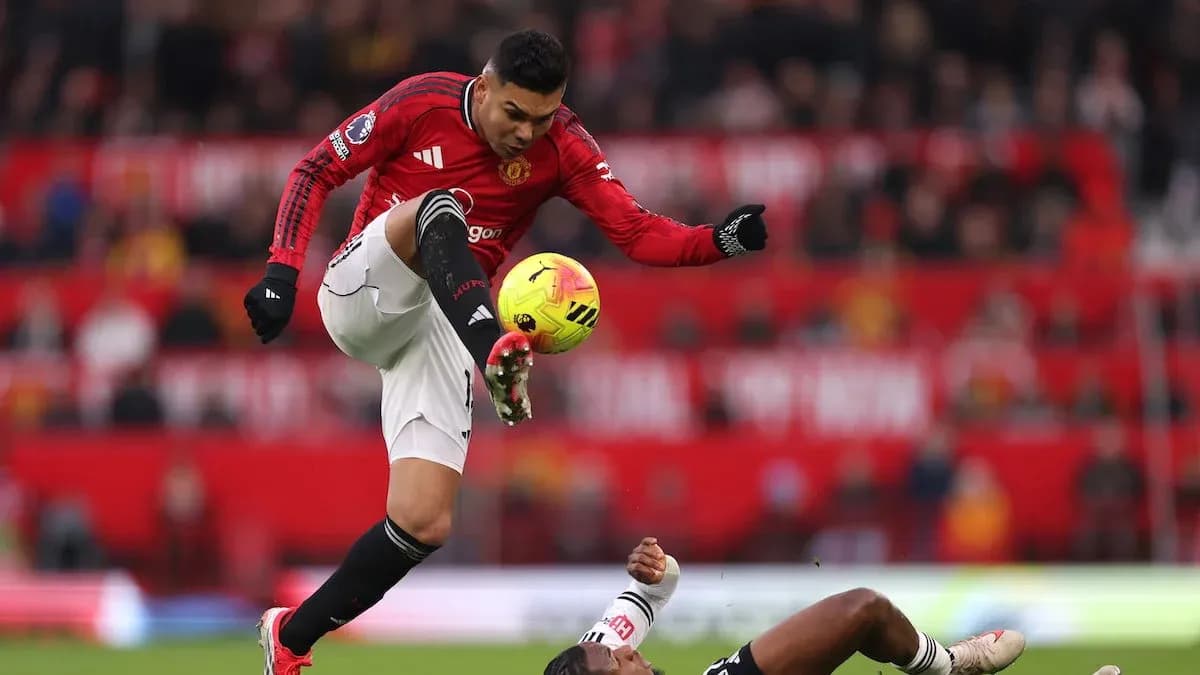
United’s own 4-2-3-1 was more vertically oriented. K. Mainoo and M. Mount formed a double pivot that could both press and play, while A. Diallo and P. Dorgu held wide starting positions, allowing B. Fernandes to operate in the half-spaces. The first goal on 33 minutes – P. Dorgu finishing from a B. Fernandes assist – was the tactical pattern in microcosm: United invited Brighton into their half, then sprang forward once they forced a turnover, with Fernandes receiving between the lines and releasing Dorgu into the exposed channel outside Brighton’s centre-backs.
Brighton’s defensive line of M. Wieffer, J. P. van Hecke, L. Dunk and F. Kadioglu struggled with those wide-to-inside runs. With both full-backs encouraged to push on, Brighton were often left with Dunk and van Hecke defending large spaces against B. Mbeumo and the onrushing wide midfielder. The second goal, on 44 minutes, again came from that imbalance: A. Diallo fed B. Mbeumo after United broke through Brighton’s first line, exploiting the fact that Brighton’s rest defence was effectively a two-versus-three when Fernandes and one wide player joined Mbeumo.
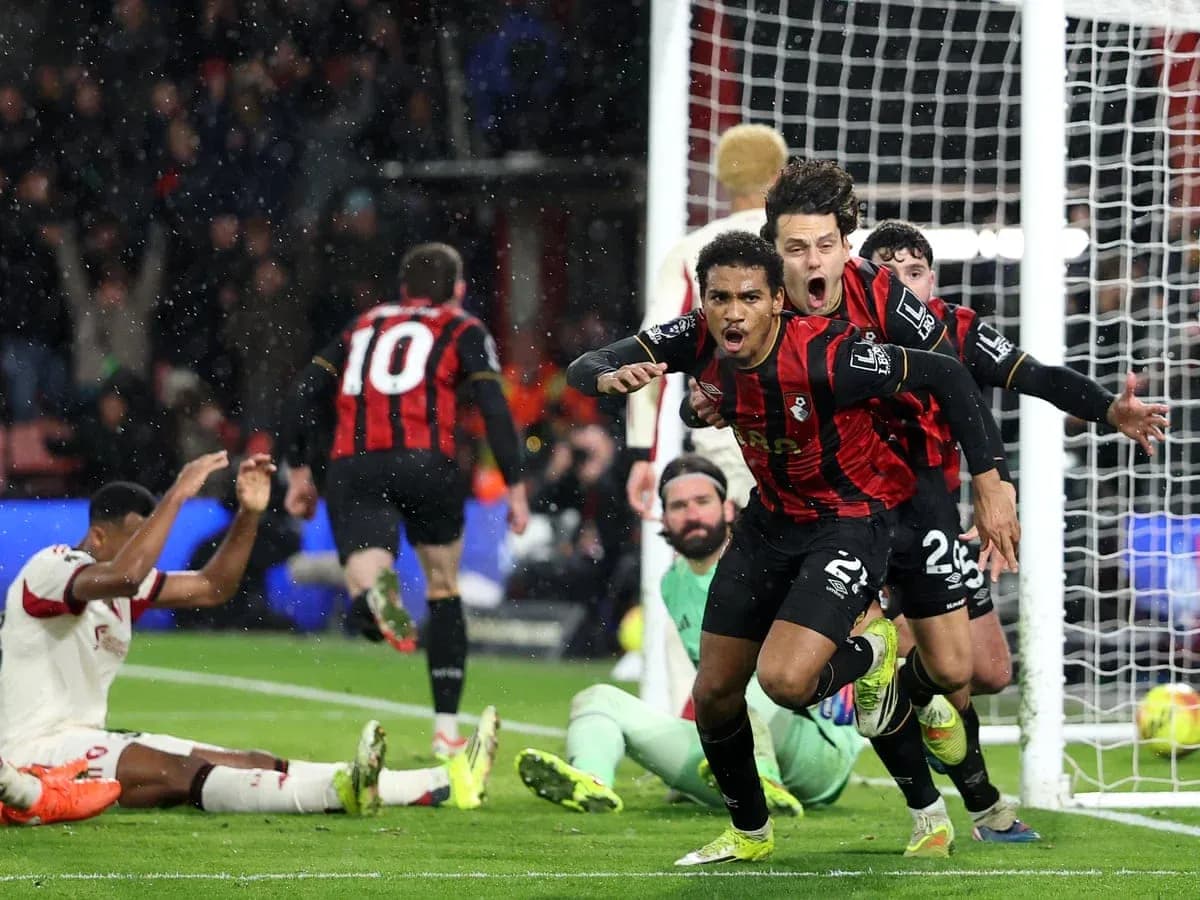
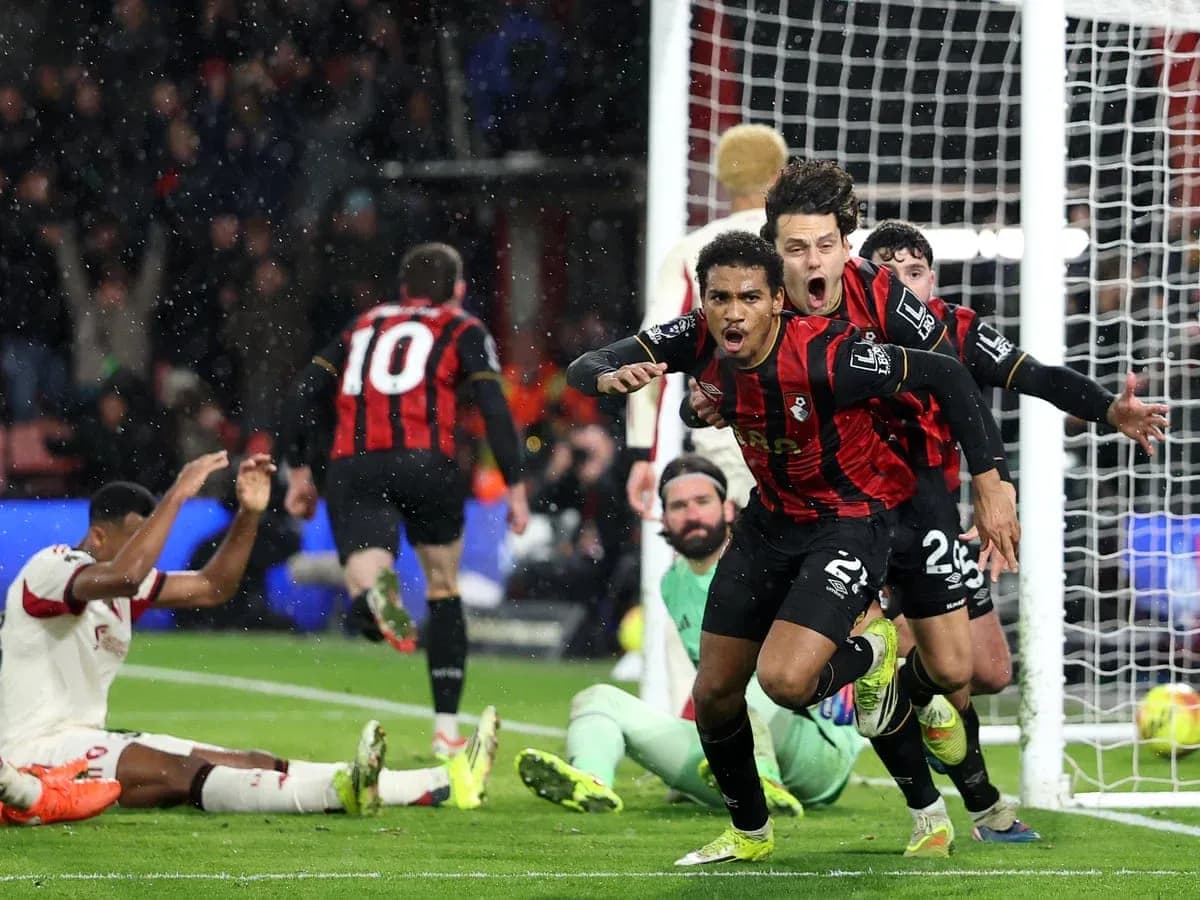
The third goal, early in the second half on 48 minutes, underlined United’s control of the central corridor. B. Fernandes scored, assisted by P. Dorgu, in a move that saw United overload Brighton’s double pivot. With Brighton still reorganising after the half-time substitution – Y. Minteh (IN) came on for M. De Cuyper (OUT) at 46' – the home side’s midfield spacing was loose. United created a simple inside combination, Dorgu again finding a pocket between full-back and centre-back to slide the ball into Fernandes’ path. VAR confirmed the goal at 50', but tactically it was already the logical outcome of United’s repeated exploitation of Brighton’s interior channels.
Out of possession, United’s block was compact and disciplined. They committed only 8 fouls to Brighton’s 11 and received a single booking – 45+3' Kobbie Mainoo (Manchester United) — Foul – which speaks to how controlled their aggression was around the ball. Mainoo and Mount screened central passes into Welbeck, forcing Brighton to play around the block. That, in turn, made Brighton’s attacks more cross-oriented and less dangerous; despite 13 total shots, only 2 were on target, and many of their 9 efforts inside the box came from crowded or off-balance positions.
Brighton’s best phase came after the 59' triple substitution, when S. March (IN) replaced D. Gomez (OUT), C. Baleba (IN) replaced J. Milner (OUT), and C. Kostoulas (IN) replaced D. Welbeck (OUT). Baleba added more vertical ball-carrying from midfield, and March provided natural width on the right, stretching United’s back four. Later, G. Rutter (IN) for J. Hinshelwood (OUT) at 74' further tilted Brighton towards a more aggressive, front-foot posture. However, the structural issue remained: with more attackers on, their rest defence became even more vulnerable to United’s counters, even if the visitors were already managing the game at 0-3.
From a goalkeeping perspective, B. Verbruggen (Brighton) was heavily exposed by the quality of chances rather than the volume of shots. Brighton allowed 7 shots on goal from only 11 attempts, with just 1 blocked shot, an indication that United were consistently working the ball into clean shooting positions rather than taking speculative efforts. Verbruggen made 5 saves and, according to the statistics, Brighton’s goals prevented figure was 0.32, suggesting he added marginal value over the quality of chances faced but could not compensate for the defensive breakdowns in front of him.
At the other end, S. Lammens (Manchester United) had a relatively controlled afternoon. Brighton’s 2 shots on goal from 13 total efforts underline how often their attacks fizzled before reaching the final action. Lammens was credited with 2 saves, and United’s goals prevented metric of 0.32 points to a goalkeeper who did his job efficiently without being overworked. United’s back four – N. Mazraoui, H. Maguire, L. Martinez and L. Shaw, later refreshed by L. Yoro and T. Malacia – protected the central zone well, forcing Brighton to shoot from less favourable positions and limiting clear one-on-ones.
Statistically, the match shows a clear tactical story. Brighton’s 0.81 xG from 51% possession and 13 shots reflects sterile control: they moved the ball well (463 passes, 397 accurate at 86%) but struggled to convert territory into high-quality chances. United, with 49% possession, generated 1.82 xG from just 11 shots, 7 of which were on target. Their 447 passes with 369 accurate (83%) show they were content to have slightly less of the ball, but used it with far greater incision, especially through the Fernandes–Dorgu–Mbeumo axis.
The blocked shots numbers – Brighton 5, United 1 – further highlight United’s compact defending compared to Brighton’s more open structure. Brighton had to throw bodies in front of efforts because their midfield was bypassed quickly; United, by contrast, prevented many Brighton attacks from ever reaching the shooting phase. In the end, the 0-3 scoreline at Amex Stadium was the logical extension of United’s superior spacing, pressing triggers, and transitional efficiency, rather than any disparity in basic possession or passing metrics.