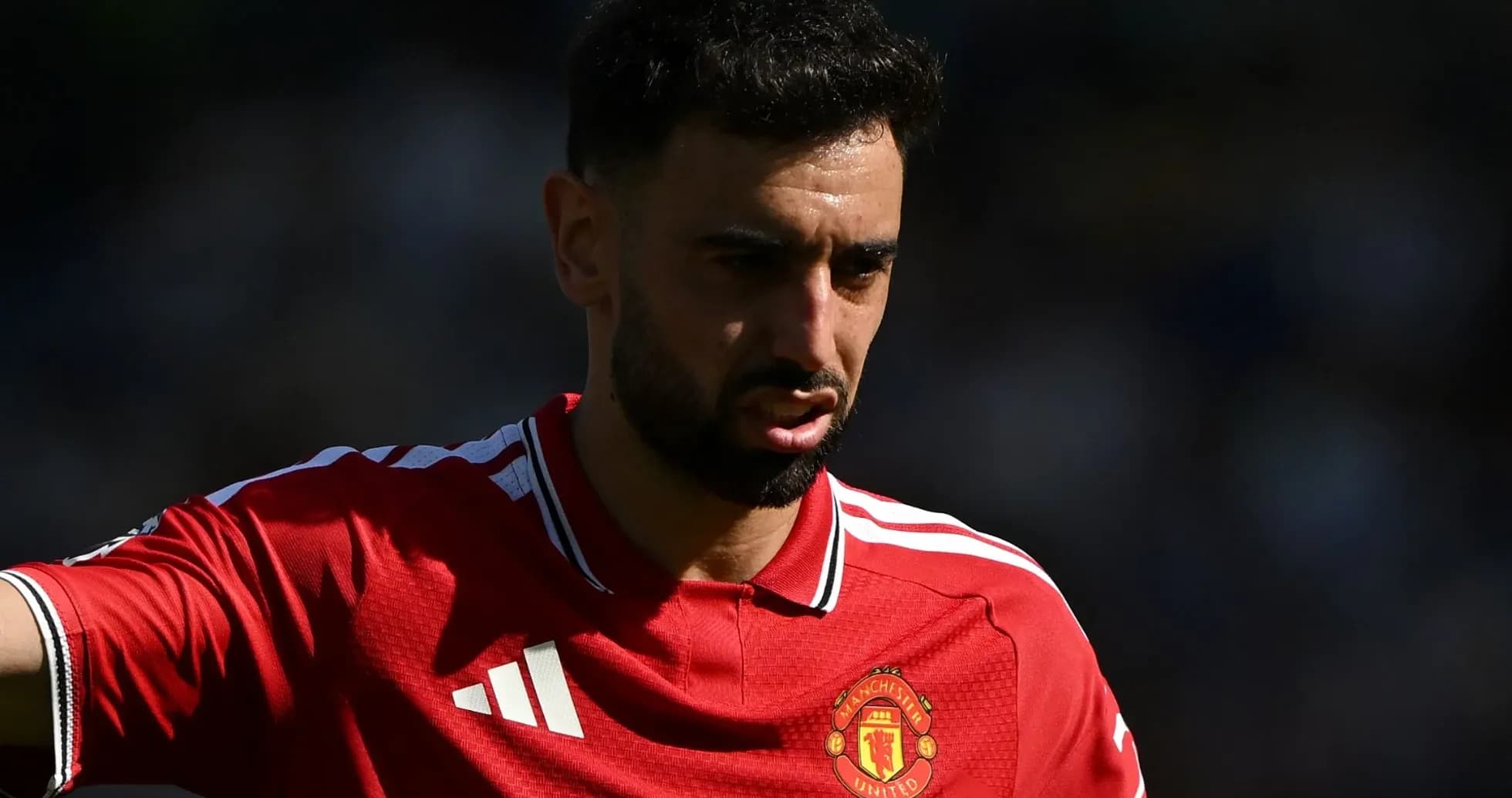
Bruno Fernandes at Manchester United: A Crucial Contract Decision Ahead
Manchester United stand at a crossroads with Bruno Fernandes. The club’s captain, creator-in-chief and emotional barometer is edging towards the final year of his deal, and the clock is ticking louder than anyone at Old Trafford would care to admit.
United do have a safety net. Buried in his current contract is a 12‑month extension clause that the club can trigger, buying themselves time and avoiding the nightmare scenario of their talisman drifting towards free agency. But nobody at Carrington wants this to become a drawn-out saga. The hope inside the club is clear: find common ground with Fernandes and tie him down properly in the coming weeks.
The timing matters. The 2026-27 campaign is fast approaching, Fernandes is back in training after his World Cup duties with Portugal, and United’s season cannot afford to start with uncertainty swirling around the man who drives so much of their attacking play. The ideal outcome is simple: a new deal announced before competitive football returns and the noise grows.
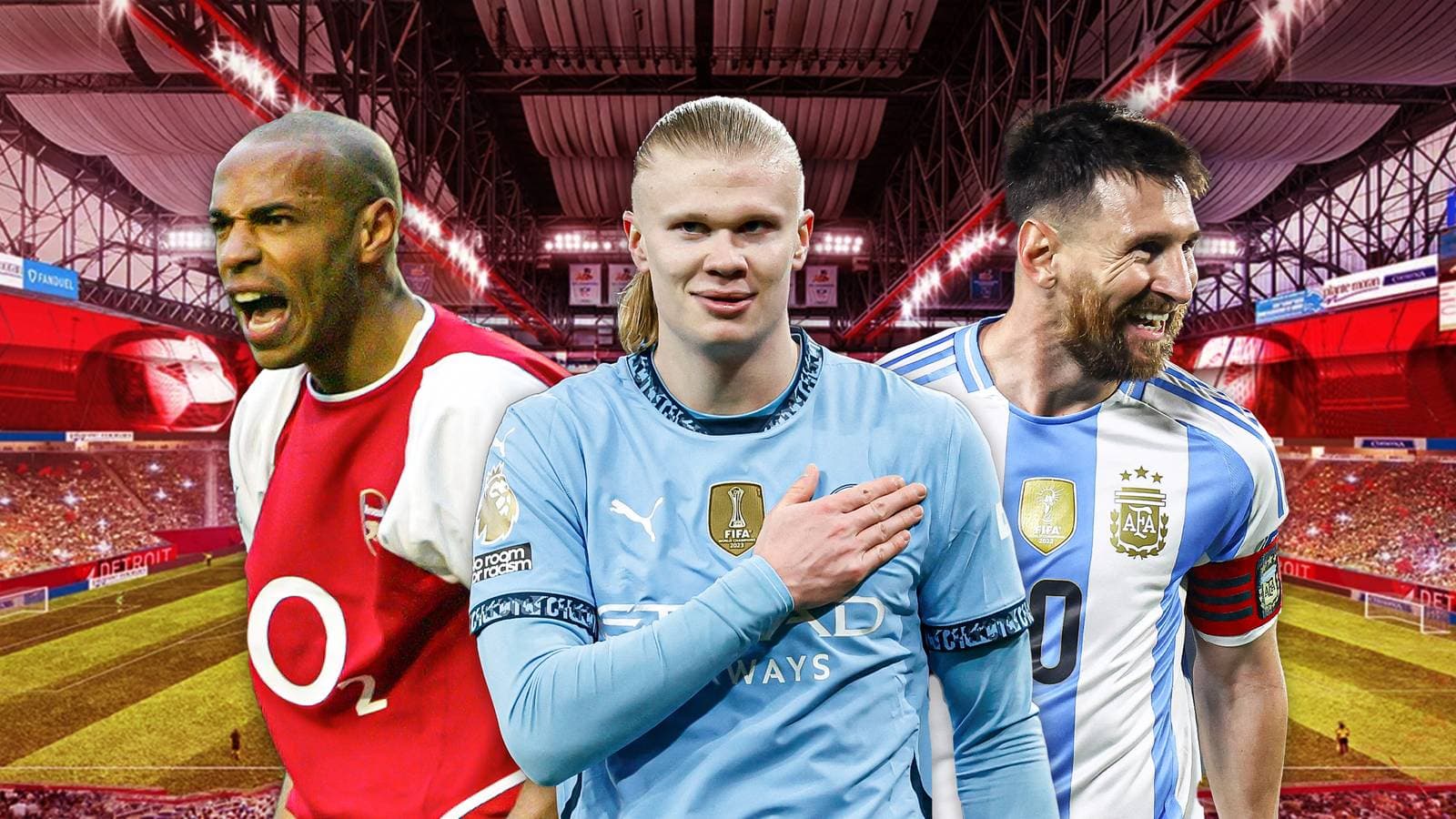
On the pitch, his case is overwhelming. Last season, Fernandes delivered 21 assists in the Premier League, ripping a page from the record books previously owned by Thierry Henry and Kevin De Bruyne. That haul did more than pad out his statistics; it underlined his status as the creative heartbeat of this side, the player who stitches together United’s often-fragile attacking structure.
He turns 32 in early September. In modern football, that age often triggers caution, spreadsheets and hard lines about contract length and wage structure. United, in particular, have tried to redraw their approach to players over 30 after years of expensive missteps. In theory, Fernandes sits right in the middle of the “be careful” bracket.
In reality, he sits in a category of one.
Since arriving at Old Trafford in January 2020, the so‑called Theatre of Dreams has become his stage. He has racked up 327 appearances and 107 goals, numbers that would be impressive for a forward, let alone a midfielder who also shoulders the burden of creativity. He has worn the armband since 2023 and already has the FA Cup and Carabao Cup on his CV. Five Player of the Year awards tell their own story. This is not a bit-part figure clinging to status. This is the man the team is built around.
That is why former United striker Michael Owen believes the club must push aside the usual rulebook. Speaking to GOAL, Owen made it plain that age should not dictate the conversation when it comes to Fernandes. Clubs like United often talk about “structures” and “regulations” on contracts for older players. Owen’s view is that some footballers are simply too important to be treated as case studies in a policy document.
If he were in charge at Old Trafford, Owen says, he could not stomach the idea of going into a new season without Fernandes locked in. Forget the date on the passport. Focus on the impact on the pitch. For a United side still trying to claw their way back to the top, he sees the captain as non‑negotiable.
United have already stared down one major threat to that relationship. The Saudi Pro League came knocking, armed with the kind of money that has turned the heads of many European stars. At one stage, United appeared open to the idea of a sale, at least in theory. Those doors have since been slammed shut. The club are now working to fend off any fresh interest, aware that allowing their captain to drift into contractual doubt only encourages more admiring glances.
Mikael Silvestre, another former United defender who knows what it takes to live through transitional eras at the club, shares the sense of Fernandes’ importance. He has spoken of his satisfaction that the Portuguese playmaker chose not to cash in and move to Saudi Arabia, instead staying put during a turbulent period at Old Trafford.
Silvestre points to the adversity of recent years, the constant churn of managers and the uneven performances, and notes that through all of it, Fernandes has delivered. In his eyes, the United skipper was the best player in the league last season, a statement that underlines just how central he has become not only to United but to the broader Premier League narrative.
Yet there is a harder edge to Silvestre’s assessment. Influence and numbers only take a player so far in a club like Manchester United. To move from “key player” to something more enduring in the history of the institution, medals still matter.
Silvestre reaches for a powerful comparison. Steven Gerrard is immortal at Liverpool despite never winning a Premier League title, his Champions League triumph in Istanbul and his symbolic weight carrying him into club folklore. Fernandes, he argues, already has a sizeable footprint at United, but one defining title – the Premier League or the Champions League – would shift him into a different category in the eyes of supporters and historians alike.
That is the crux of United’s dilemma. They are dealing with a player who has already given them goals, assists, leadership and resilience. A player who rejected easier options to stay in the fight when the club’s direction looked anything but clear. A player whose presence still offers their best route back to the summit.
The decision now is not just about protecting an asset. It is about deciding whether they truly believe Bruno Fernandes can be the captain who leads them into a new era of success, or whether they let contract caution chip away at the bond between their most influential figure and a fanbase desperate for another genuine icon.
At some point very soon, United must answer a simple question with a signature: is this the man they are willing to break their own rules for?