Chelsea vs Tottenham: Tactical Insights from Premier League Derby
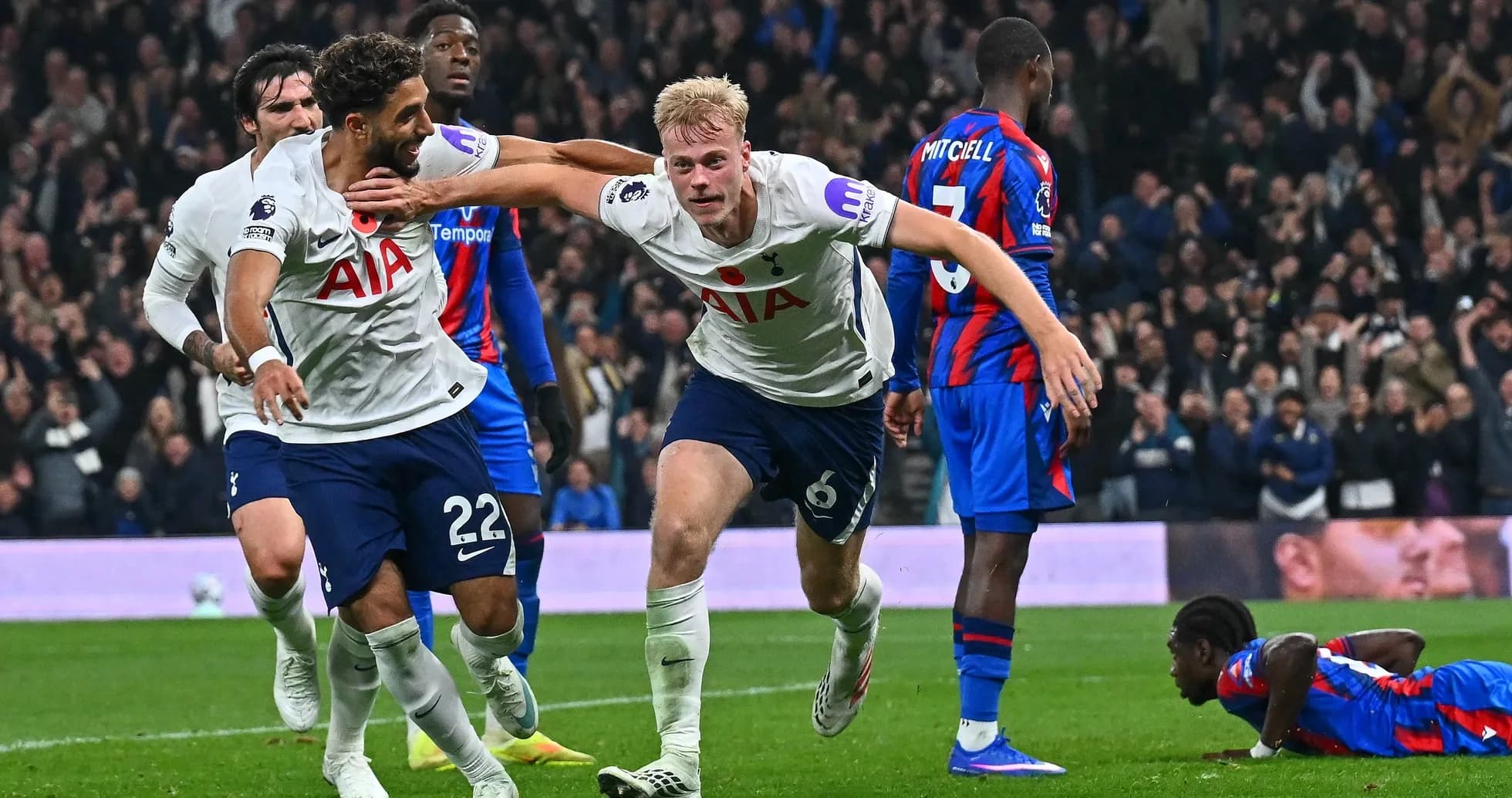
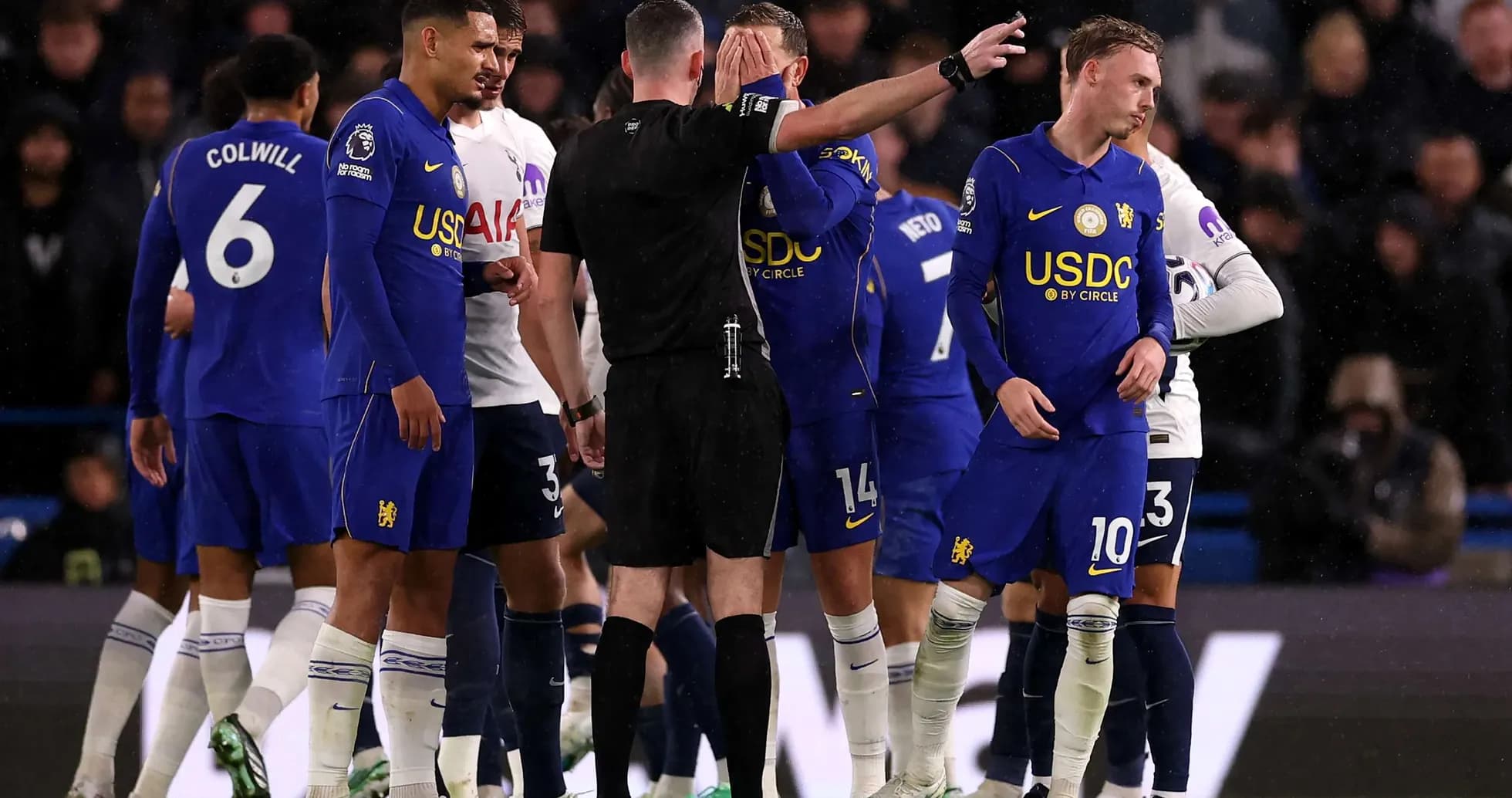
Stamford Bridge under the lights, Round 8 of the Premier League, and a London derby that ended with a jolt to the established order: Chelsea 0–2 Tottenham. Following this result, the table tells a curious story. Chelsea remain the more explosive side overall this season, with 17 goals scored and 15 conceded in 8 matches, a goal difference of +2. Tottenham, meanwhile, sit further down the standings on 9 points, their 8 goals for and 10 against leaving them at -2. Yet here, in west London, it was Roberto De Zerbi’s side who looked like the more complete, coherent unit.
I. The Big Picture – Two 4-2-3-1s, Two Very Different Realities
Both teams lined up in a 4-2-3-1, but the shapes told different stories of where these projects stand.
Chelsea, under Xabi Alonso, leaned into their attacking identity. Heading into this game, they had averaged 2.8 goals per match at home and 2.1 overall, a top-end attacking return but with a defensive cost: 2.0 goals conceded per home game and 1.9 overall. The XI reflected that duality. Mike Penders started in goal behind a young, progressive back four: Josh Acheampong, Maxence Lacroix, Levi Colwill and Jorrel Hato. In front of them, Moisés Caicedo and Jordan Henderson formed a double pivot tasked with balancing control and protection, while a fluid line of three – Pedro Neto, Cole Palmer and Geovany Quenda – operated behind lone forward Morgan Rogers.
Tottenham arrived with a different profile. Their season to date has been tighter, more conservative: just 1.0 goals scored per match overall and 1.3 conceded, with 3 clean sheets already. De Zerbi stuck to his preferred 4-2-3-1, but with a clear emphasis on structure. Antonín Kinský started in goal, shielded by Archie Gray, Jan Paul van Hecke, Micky van de Ven and Andy Robertson. Sandro Tonali and Mateus Fernandes anchored midfield, with a high-technical, high-rotation trio of Mohammed Kudus, James Maddison and Mathys Tel supporting Omar Marmoush up front.
The contrast was stark: Chelsea’s season has been defined by chaos and punch, Tottenham’s by restraint and clean sheets. On this occasion, the side with the clearer defensive identity prevailed.
II. Tactical Voids – Absences and Discipline
Both squads came into this derby carrying scars.
Chelsea were without P. Chavarria, E. Emegha, J. Gittens, R. James and E. Martinez, all listed as missing through various injuries. The absence of Reece James in particular stripped Alonso of an overlapping, creative right-back who could have stretched Tottenham’s block and supported Palmer in the right half-space. Instead, Acheampong was asked to be both secure and progressive, a tall order in a high-pressure derby.
Tottenham’s list was even longer: R. Bentancur (suspended after a red card), L. Bergvall, W. Odobert, X. Simons, D. Udogie and others with muscle or knee issues. The loss of Bentancur removed a natural enforcer from the engine room, forcing Tonali and Fernandes to cover more ground and manage Chelsea’s attacking midfielders without their usual destroyer. That made their collective discipline even more crucial.
Seasonal card patterns added another layer. Chelsea’s yellow cards are spread almost evenly, but there is a clear late-game spike: 18.75% of their bookings come between 76–90 minutes, and their only red card this season also arrived in that window. Tottenham show a similar late tilt: 30.77% of their yellows come between 61–75 minutes, with another 15.38% from 76–90, and their lone red card has also fallen in the final quarter of the match. This derby, then, was always likely to tighten and fray as legs tired and tempers flared.
III. Key Matchups – Hunter vs Shield, Engine Room vs Engine Room
The most striking tactical tension lay between Chelsea’s attacking “hunter” unit and Tottenham’s defensive “shield”.
Chelsea’s season has been carried by a devastating front cohort. João Pedro, though not in this particular matchday squad, is the club’s leading scorer overall this campaign with 5 league goals and 3 assists, while Rogers (4 goals, 1 assist) and Neto (3 goals, 1 assist) have given Alonso a three-pronged threat. Rogers’ 105 duels contested and 48 won, plus 23 dribbles attempted with 13 successful, underline how central he is to progressing attacks under pressure. Neto, with 12 key passes and 21 dribble attempts (11 successful), offers incision from wide.
Yet Tottenham’s shield has been quietly effective. On their travels they had conceded just 1.0 goal per match heading into this game, with 2 away clean sheets. Van de Ven’s pace and recovery runs, combined with van Hecke’s more orthodox defending, gave De Zerbi the platform to hold a higher line without collapsing under Chelsea’s transitions. Gray and Robertson narrowed intelligently, turning Chelsea’s usual wide overloads into crowded cul-de-sacs.
The other decisive battle was in the engine room. Caicedo and Henderson faced Tonali and Fernandes in a contest of control versus disruption. Caicedo’s role was to extinguish counters and recycle quickly into Palmer’s feet. Palmer, Chelsea’s creative hub, came in with 3 league assists, 17 key passes and 27 dribbles attempted, but also a combustible disciplinary profile: 3 yellow cards and 1 red already. Against Tottenham’s compact 4-2-3-1, his positioning between the lines was crucial, but De Zerbi’s structure often forced him deeper and wider, away from the zones where he usually dictates.
For Tottenham, Maddison and Kudus were the twin creators. Maddison drifted into pockets behind Caicedo, dragging Henderson out of shape, while Kudus attacked the inside-right channel, targeting the space behind Hato and Colwill. With Tel tucking in from the left and Marmoush constantly running channels, Tottenham created a rotating front four that repeatedly asked questions of Chelsea’s back line, which has kept just 1 clean sheet in 8 league matches overall.
IV. Statistical Prognosis – Why Tottenham’s Plan Travelled Better
Strip away the derby emotion and the numbers explain why this 0–2 felt like a systemic clash as much as a one-off.
Chelsea at home: 11 goals scored and 8 conceded in 4 matches, averaging 2.8 for and 2.0 against. Tottenham away: only 3 goals scored in 4, but just 4 conceded, with those 2 away clean sheets pointing to a side comfortable suffering without the ball. This was always going to be a duel between volume and control.
De Zerbi’s men leaned into their defensive solidity, trusting that a low-scoring profile could still yield a big result if they were ruthlessly efficient. Chelsea, by contrast, were asked to produce another high-output attacking performance against a side that specialises in denying rhythm. Without João Pedro’s penalty-box presence and with James absent from the right flank, their 4-2-3-1 lacked its usual vertical punch.
The disciplinary undercurrent mattered too. With Palmer already carrying a red this season and Chelsea prone to late bookings, Alonso’s side had to manage frustration as Tottenham slowed the tempo and disrupted flow. Spurs, whose own late-card profile is spiky, navigated the tension better on the night, staying within their structure and trusting their transitions.
Following this result, the broader tactical verdict is clear. Chelsea remain one of the league’s most dangerous attacking outfits, but their defensive numbers – 1.9 goals conceded per match overall, just 1 clean sheet – leave them vulnerable to well-drilled, counter-punching sides. Tottenham, despite modest scoring returns, have a travelling blueprint that scales: disciplined block, intelligent rotations in the three behind the striker, and a back four comfortable defending big spaces.
Over a season, xG models would likely still favour Chelsea’s higher-volume approach. But in a single derby at Stamford Bridge, Tottenham’s defensive solidity and structural clarity proved the more reliable weapon – and the 0–2 scoreline felt like the logical expression of that balance.