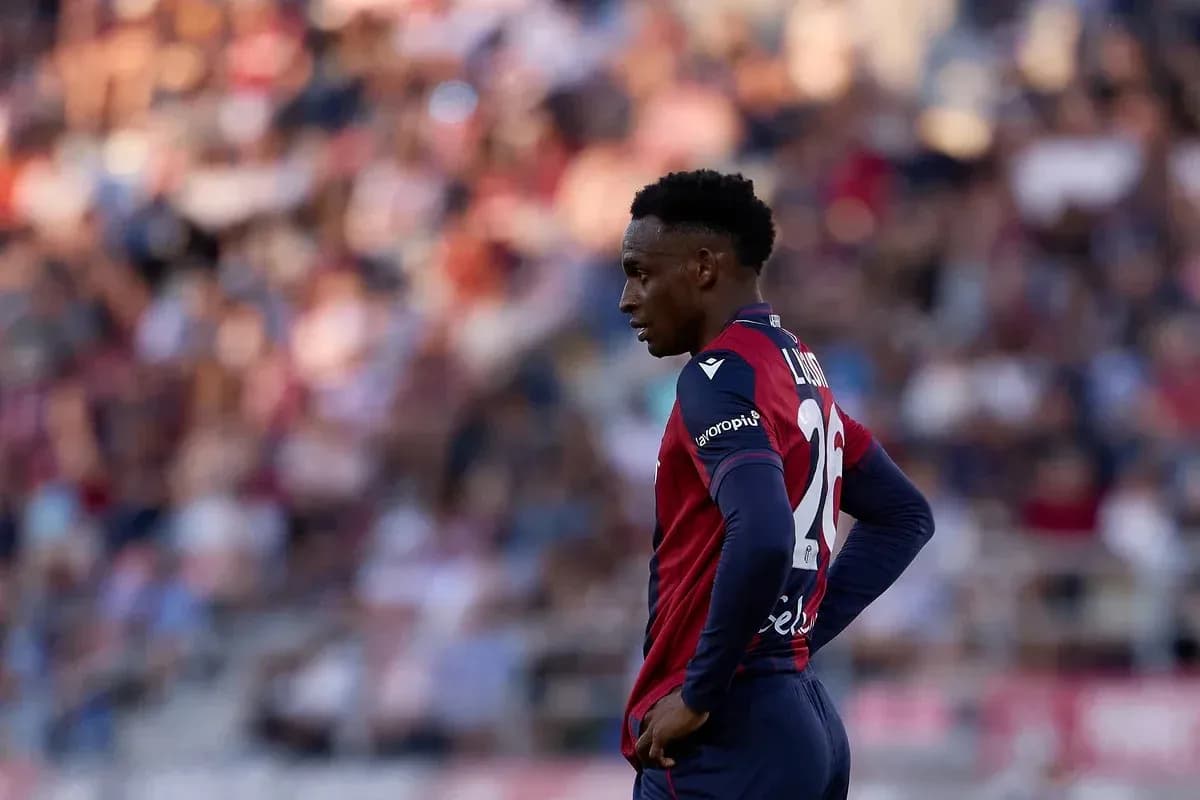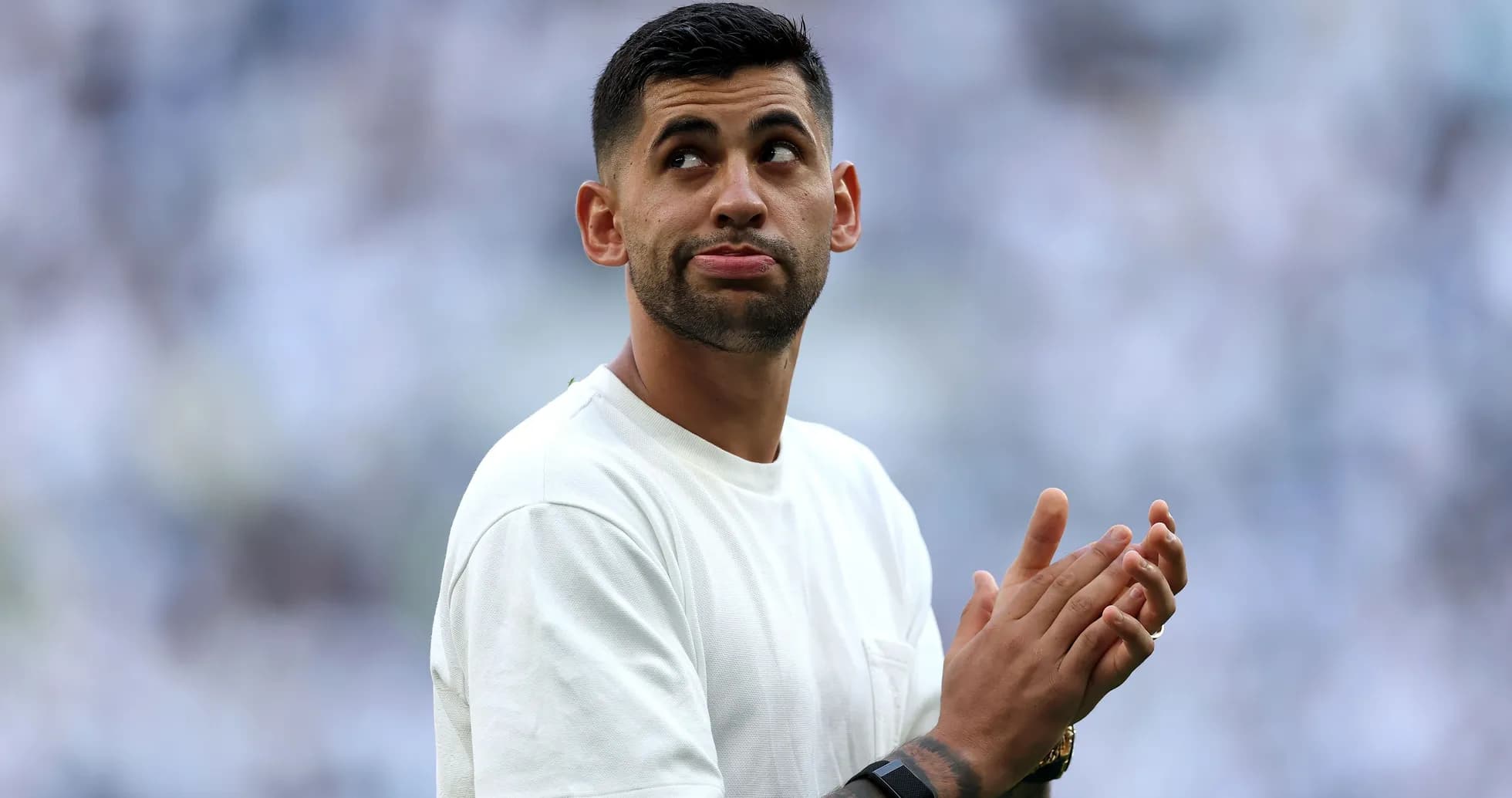
Chris Richards' World Cup Injury Concerns
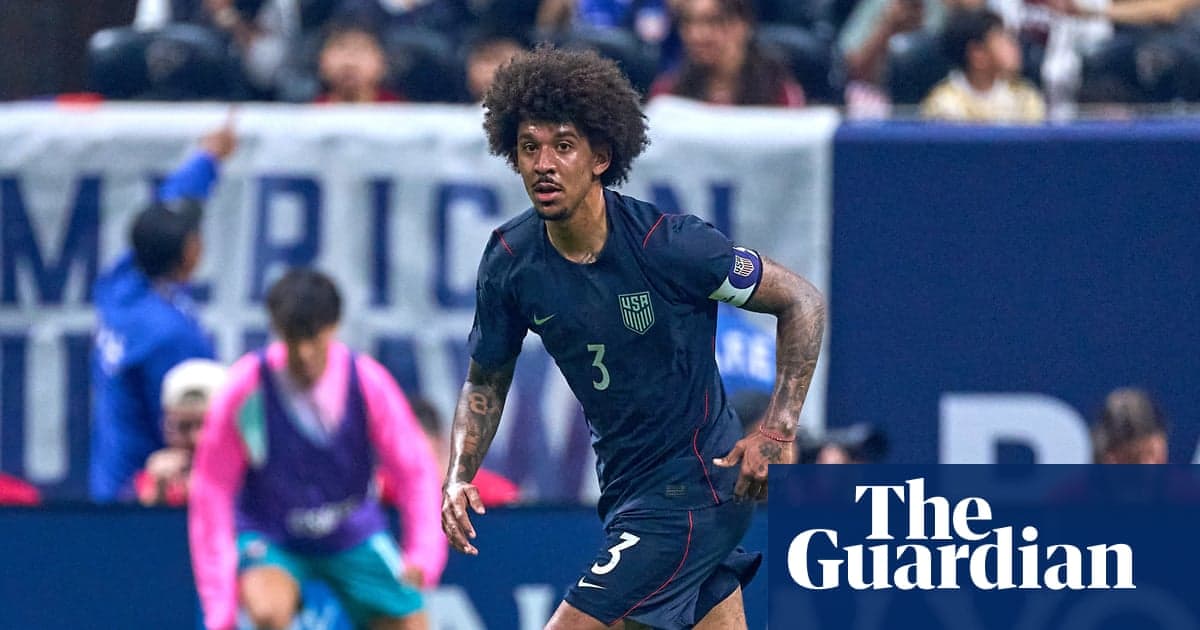
Chris Richards’ World Cup hopes hang in the balance.
Mauricio Pochettino confirmed on Friday that the defender will miss the United States’ final pre-tournament friendly against Germany, and the tone around his ankle injury has shifted from cautious to deeply concerned.
“He’s still not ready to compete and play,” Pochettino said in his pre-match press conference. “I think we are going to have that opportunity in the next few days to assess him and see his ankle, and then to make a decision.”
For a player expected to anchor the back line this summer, the timing could hardly be worse.
From cautious optimism to growing frustration
Richards damaged his ankle in Crystal Palace’s penultimate Premier League game of the season against Brentford. Palace manager Oliver Glasner later revealed torn ligaments, a diagnosis serious enough to rule him out of the league finale against Arsenal and the Conference League final against Rayo Vallecano.
Yet the messaging then sounded far more upbeat. Glasner suggested before the Arsenal game that Richards might be available for the European final. Reports around the player’s camp echoed that optimism, indicating little doubt about his availability for the World Cup.
Pochettino admitted on Friday that he bought into that optimism.
“There was a line of information where we were thinking that he could play that final against Rayo Vallecano in Conference League,” he said in Spanish. “He was on the bench of subs, you remember? After that, [we thought] he could maybe be [involved] against Senegal. In the end, the timelines [are] lengthening and [it] angers me a bit. I’m not happy, because we know Chris Richards is an important player. Of course we all know it.”
The irritation is clear. Pochettino expected Richards to be much closer to match fitness by now. Instead, the calendar keeps moving and his key defender remains stuck in rehab.
A race against the calendar
The United States open their World Cup campaign on 12 June against Paraguay. That gives Pochettino a shrinking window to decide whether Richards can realistically contribute or whether he becomes a luxury the squad cannot afford.
World Cup regulations allow medically related changes to the final 26-man roster up to 24 hours before the first group-stage match. For the U.S., that sets an 11 June deadline.
“In the end, we can hope that Chris can be there,” Pochettino said. “But in the end, we’re going to find ourselves with a player who’s coming without competing [for a month] and after, we have to make the decision if he’s in form to compete or not. And there’s not a lot of time [until] the World Cup.”
The dilemma is stark: keep faith with a cornerstone defender who hasn’t played in a month, or turn fully to the alternatives who have been building rhythm in his absence.
Working alone, watching the team
At the pre-World Cup camp, Richards has lived a parallel existence to his teammates. While the rest of the squad moved through the usual warm-ups, stretch circles and rondos at the National Training Center on Wednesday, he was stationed on an adjacent field.
No ball work. No contact. Just resistance bands, lateral movement drills and the slow grind of individual rehab with two trainers.
Pochettino made one thing crystal clear: there will be no gamble on half-fit stars.
“We are never going to take a decision to play with some player that [has a] minimum risk,” he said. “We prefer to not take [a] risk. That’s why all of the players that are going to start, or players that’s going to come from the bench, it’s because they are healthy, and they are 100% fit to play.”
For Richards, that hard line raises the bar even higher. It’s not enough to be close. He has to convince the staff he is fully ready, with almost no time left to prove it in a match.
Cover at the back – and a plan without Richards
The United States have already tested life without their first-choice center-back. In last weekend’s 3-2 win over Senegal, Mark McKenzie took over in the middle of the back three. Tim Ream stepped out from the left to break lines, while Alex Freeman tucked in as an “elbow back,” dropping deeper in defensive phases and offering width in the build-up.
The structure held. It wasn’t flawless, but it was functional and flexible.
Richards’ uncertainty also explains the heavy defensive loading in Pochettino’s 26-man squad. He named five natural center-backs and several wide defenders who can slide inside if needed. That group has been together long enough to build chemistry, which eases the pressure to find a like-for-like replacement should Richards ultimately miss the tournament.
The coach, then, has cover. What he doesn’t have is clarity.
For now, the picture is brutally simple: Richards will watch the Germany friendly from the sidelines, still rehabbing, still waiting. Pochettino will watch his other defenders under real pressure, weighing every duel and every decision against the question that now shapes his back line:
Is it worth taking a World Cup risk on a defender who hasn’t played in a month?