Colchester United: John Terry's Potential Impact on Club Sale
At the Community Stadium, a quiet power shift is edging closer.
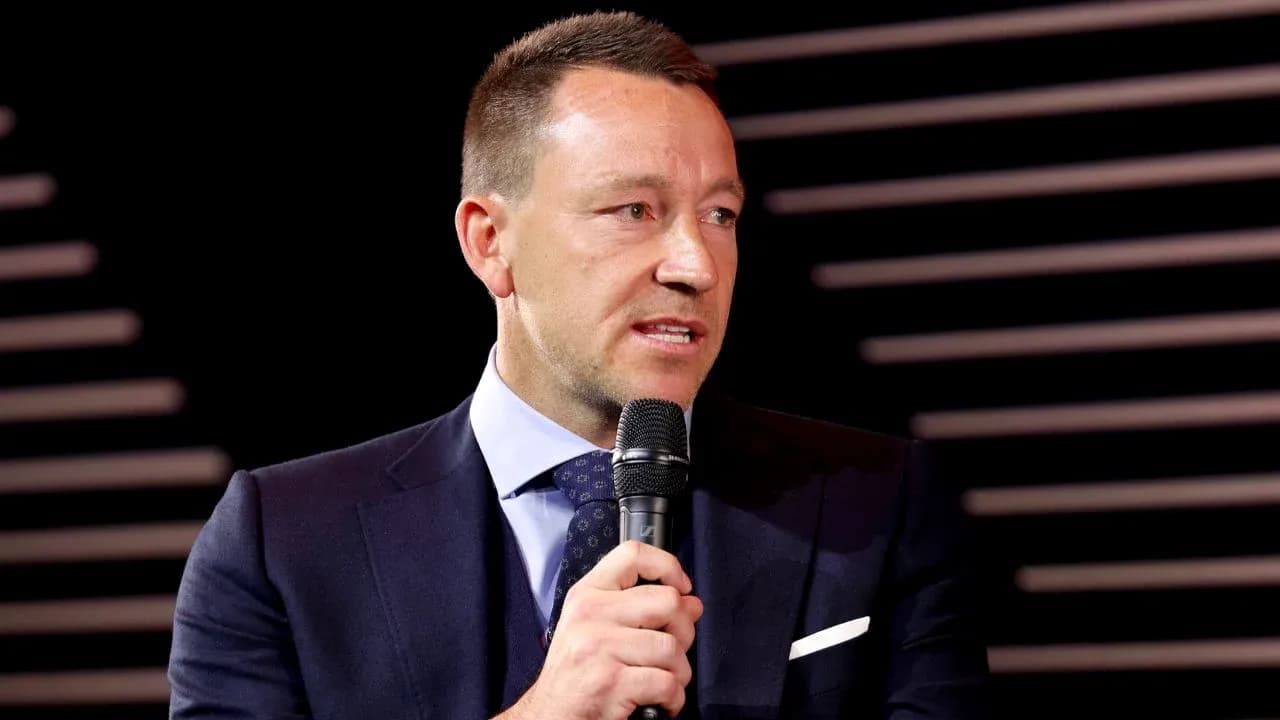
John Terry has yet to say a word in public, but inside Colchester United the message is clear: a deal is moving towards the finish line. The club’s hierarchy has acknowledged that negotiations over a proposed sale are advancing, and the presence of a figure of Terry’s stature looms large over what comes next.
Owner Robbie Cowling chose his words carefully in a formal club statement, but the direction of travel was unmistakable.
“Colchester United are currently in detailed discussions with a consortium regarding a proposed sale of the club. At this stage, we are not in a position to comment on any specific individuals or companies involved,” he said.
“Further details will only be shared once a transaction has been fully completed and all formalities have been concluded. In the meantime, my focus remains on ensuring that any decision regarding the future ownership of the club is the right one for Colchester United, its supporters, and its long-term success.”
No names. No confirmation. But the prospect of Terry stepping into the Colchester picture carries obvious intrigue. His background at the heart of Chelsea’s academy structure offers a clear route into one of the most talent-rich systems in the country, and Colchester’s hierarchy know exactly what that could mean: a pipeline of high-calibre loans to an ambitious League Two club.
For an Essex side sitting 13th in League Two with 60 points from 42 games, it feels like a moment that could redefine the ceiling. This has been a steady campaign rather than a spectacular one, a season of consolidation under Danny Cowley rather than a charge at the automatic promotion places.
Now comes the hard part. Cowley’s team face a demanding run-in, the type of schedule that tests depth, mentality and planning. Any incoming expertise at boardroom level will not change this season’s table overnight, but it can shape what follows.
That is where Terry’s potential influence becomes so compelling. Years spent inside Chelsea’s academy have given him a close-up view of elite development, of how to spot, nurture and protect young players. If Colchester can tap into that knowledge and those relationships, their recruitment strategy could shift from opportunistic to strategic, from short-term fixes to long-term building.
The club, for now, must wait. Legal work, due diligence, signatures: the usual choreography of a takeover. Only once the formalities are done will the picture fully sharpen, and only then will the real questions begin.
Can Terry’s experience and connections turn Colchester from mid-table stability into a promotion force? Or will this prove to be a cosmetic change at a club still searching for its next great leap?
The answer will define what League Two looks like for Colchester United next season.