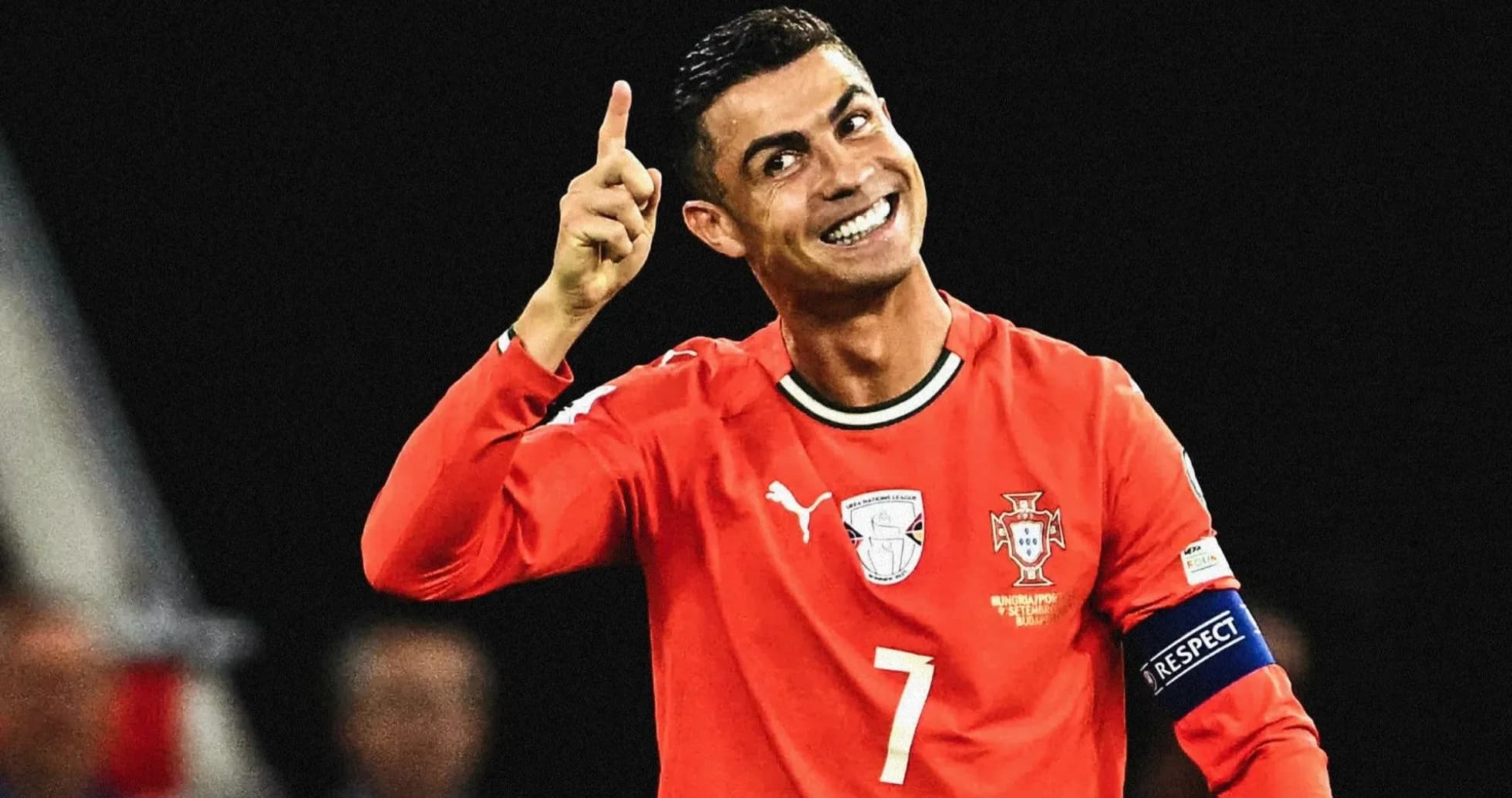
Cristiano Ronaldo's Future in Portuguese Football: Insights from FPF President
As Portugal edges toward its role as co-host of the 2030 World Cup, one question keeps circling back: will Cristiano Ronaldo still be on the pitch?
The president of the Portuguese Football Federation, Fernando Gomes Proença, doesn’t dance around it. Speaking at the Bola Branca Conference, he cooled the more romantic visions of a 45-year-old Ronaldo leading the line on home soil.
Physiology, he reminded everyone, still has a say.
“I'll say that, physiologically, a huge surprise would have to happen for him to be in another World Cup,” Proença said, underlining the sheer improbability of seeing Ronaldo at the 2030 tournament as a player.
The European Championship is a different debate. That door, Proença stressed, remains open and will depend on form, coaching choices, and the usual technical criteria that shape any squad list. No guarantees. No sentiment picks.
“That will depend on who's in charge at the time, how the player is doing, a set of technical factors,” he noted, insisting that the same rule will apply then as now: the best players at that moment will wear the shirt.
Yet when the subject is Ronaldo, the conversation quickly moves beyond tactics and age. For Proença, the bond between the forward and the national team is already something deeper and more permanent.
“Cristiano Ronaldo will always be inextricably linked to the national team, to the federation,” he said. In his view, the brand of the Portuguese Football Federation and the brand of the national team are now “intertwined with the brand of Cristiano Ronaldo.”
That intertwining does not end when the goals dry up. Proença made it clear that once Ronaldo decides to stop playing, Portuguese football will not simply thank him and move on. It will open every door.
“Cristiano Ronaldo will be whatever he wants to be in Portuguese football. I dare say that,” Proença declared. He described Ronaldo as an “absolutely extraordinary case” in terms of notoriety, capacity, and brand power, and a unique example of talent development in the country’s football history.
The message was blunt: when Ronaldo retires, he will choose his role. Not the other way around.
“Cristiano will be whatever he wants to be in Portugal and in world football,” Proença added, saying there is time for everyone to consider where Ronaldo will feel happiest and where he can help Portuguese football maintain and strengthen its position.
For supporters, the thought of life after their greatest-ever player is unsettling. The federation knows it. The fear of a cliff edge, both on the pitch and in the accounts, is real.
Proença’s answer is to strip away the drama.
“I say that you prepare yourself not by dramatizing it,” he insisted. Ronaldo, he argued, will remain “inextricably linked, not to the federation, but to the country of Portugal.” His presence in the national story is permanent, even if his name eventually disappears from the team sheet.
Behind the scenes, the FPF has been working to ensure that permanence doesn’t become dependence. Proença underlined that the federation has long been planning its present and future revenues so it does not rely on qualification bonuses, one or two sponsors, or one or two star names.
The reality, though, is unavoidable: Ronaldo still moves markets. His name alone can tilt a negotiation, shift a campaign, open doors in boardrooms far beyond Lisbon.
Proença did not pretend otherwise. He acknowledged that commercial appetite around the captain remains immense. But he pushed back against the idea that the federation’s financial health lives and dies with Ronaldo’s career.
“Well, we certainly know how important Cristiano is,” he said. “I have to be honest and sincere, there's an appetite to propose contracts to the Portuguese Football Federation both with and without Cristiano.”
According to Proença, the FPF’s operating revenues are “more than assured” for the cycle that will inevitably follow Ronaldo’s departure. No cliff, no crisis. Just a transition the federation insists it is ready to manage.
Ronaldo’s last World Cup may already be behind him. His last decisive act in Portuguese football clearly is not.