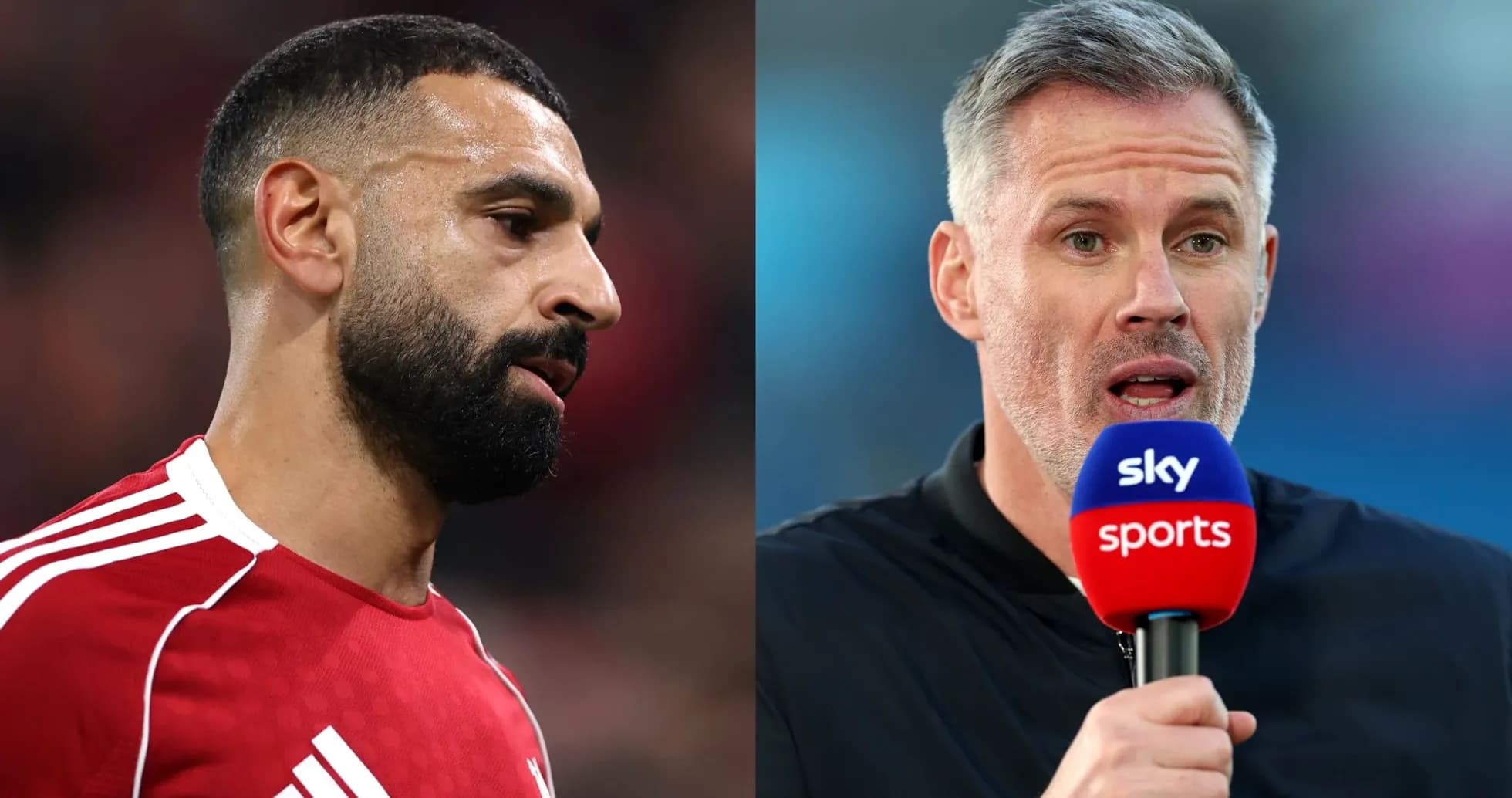
Dejan Lovren Defends Mohamed Salah Amid Criticism
Dejan Lovren has never been one for half-measures. When he feels something, he says it – and this time, his defence of close friend Mohamed Salah cuts straight through the polite noise that usually surrounds Liverpool’s biggest stars.
In a raw, uncompromising interview with WinWin, the former Liverpool defender tore into the treatment Salah received during a turbulent season that ended with the Egyptian preparing to leave Anfield.
“The way they treated him this season is not harsh,” Lovren said. “It’s disgusting.”
That word hung in the air. Disgusting. Not unfair. Not over the top. Disgusting.
For nearly a decade, Salah has been the face of Liverpool’s modern era, the club’s record Premier League goalscorer and the man who turned big moments into routine. One dip, one season where his output dropped after a stellar 2024-25 campaign, and the narrative turned vicious. The criticism, in Lovren’s eyes, stopped being about football a long time ago.
“Why didn’t they talk about him like this for the past eight or nine years? Tell me,” he demanded. “OK, one season, and then he’s the target again. There are so many other issues.”
The Croatian wasn’t interested in balance. He wanted to make it clear: Salah became the lightning rod for a club-wide decline.
Lovren vs Carragher
Lovren then trained his sights on a familiar figure in the Liverpool landscape: Jamie Carragher.
The former centre-back, now one of the most prominent pundits in English football, had previously accused Salah of selfishness. To many, it was just part of the modern punditry cycle. To Lovren, it was something else entirely.
He suggested Carragher’s words owed more to television performance than genuine tactical insight, arguing that some pundits “do it just to attract attention, maybe because they haven’t succeeded in other areas of their lives, so now they need to perform well”.
Carragher, he said, “says whatever he wants”.
Lovren’s challenge was personal and pointed. If Carragher truly believed what he was saying about Salah, he should say it directly to the player.
“I always said he should tell him this to his face, say all these things to Mo to his face,” Lovren insisted. “He’ll never say that. Because I know he never will, because he never said it to me. He’s talked badly about me too, but he never said that to me anyway.”
In Lovren’s view, this is performance art, not accountability.
“You know, he’s just performing on TV and he gets paid for it, so he needs to perform this way.”
The accusation was clear: Salah had become material for a show, not a player being analysed with respect.
Slot in the firing line
Lovren didn’t stop with the media. He went straight to the heart of the club.
Beyond the noise, he believes one relationship in particular pushed Salah towards the exit: his fractured bond with former manager Arne Slot.
“I don’t think it’s the management (that pushed Salah to leave),” Lovren said. “I think it’s just one person, and I think it’s just the manager. They didn’t have a good relationship. Let’s put it simply.”
Under Jurgen Klopp, the dynamic had been very different. It wasn’t perfect, Lovren admitted, but there was trust, understanding and mutual respect. Klopp backed Salah, and Salah emptied himself on the pitch in return.
“With Klopp, he had a really good relationship. It wasn’t always perfect, but they knew each other very well, let’s say that too, and they trusted each other, they liked each other, and Mo gave everything on the pitch for Klopp, and Klopp gave him that trust.”
With Slot, Lovren said, “it was the opposite”.
“It’s that simple, and everyone knows it because when you look at the previous eight or nine seasons, he did really well.”
In Lovren’s telling, the environment changed, the trust disappeared, and Salah – after years of carrying Liverpool’s attack – decided he’d had enough.
“He never felt that support”
Lovren’s criticism didn’t spare the club’s hierarchy either. If Salah was under siege from pundits and facing a breakdown with his manager, he expected the institution he had served to step in. Lovren believes it never truly did.
He echoed Salah’s own sense of being left exposed, arguing that the forward was forced to absorb the blame for a difficult season while others stayed silent.
“There are other players who should also take responsibility and say, ‘yes, this is my fault’, but you know, some players never came forward,” Lovren said.
For him, that wasn’t just a dressing-room issue. It was a structural failure.
“There was mismanagement; internally, they didn’t handle it well. They didn’t handle it well. Even if you have some problems, you have to talk about it in the dressing room, and like I said, Mo never felt that support.”
Salah, he argued, became the easy headline, the go-to story when Liverpool faltered.
“He was always the front-page headline, ‘Ah, it’s Mohamed Salah, don’t be surprised.’ I mean… it’s a deep-seated issue.”
Lovren’s words leave a stark picture: a club icon, worn down by a season of criticism, caught in a broken relationship with his manager, and, in his friend’s eyes, left to stand alone.
For a player who defined an era at Anfield, the real question now is not how he’ll be remembered, but how long it will take Liverpool to realise what – and who – they allowed to walk away.