Derby County Taken Off the Market as Turki Alalshikh Withdraws
Derby County’s long, uneasy wait for new ownership ended not with a fanfare, but with a full stop.
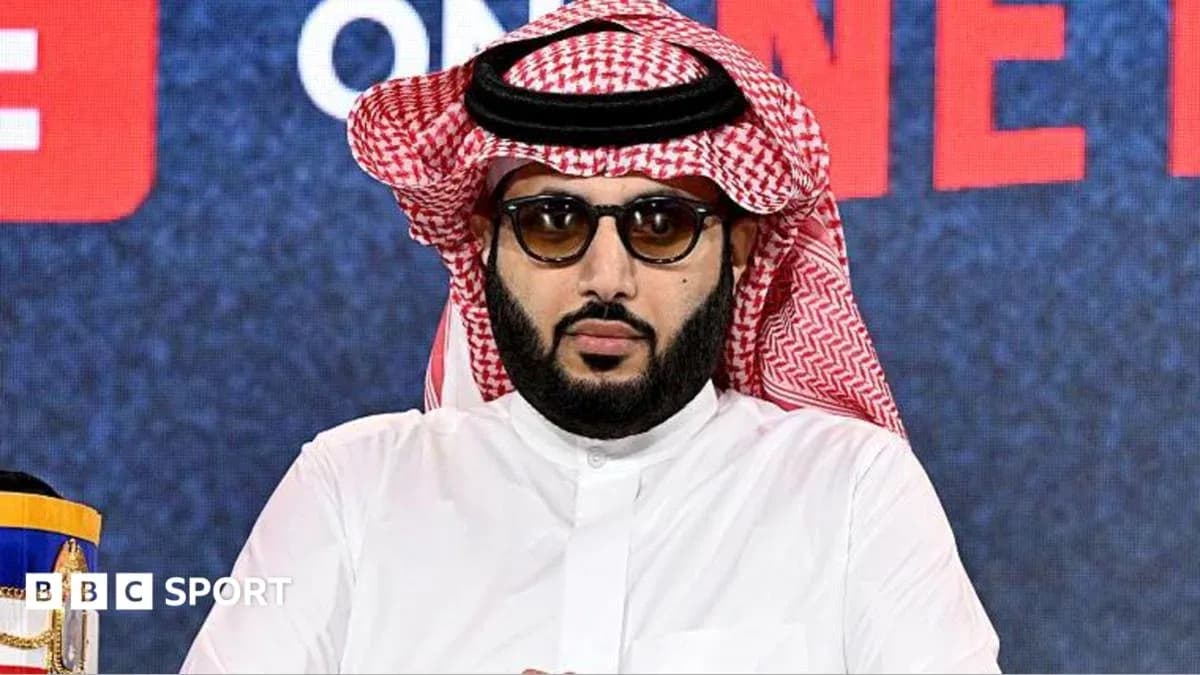
On Monday, the club were told that Saudi government official Turki Alalshikh had pulled out of his proposed purchase of a controlling stake, abruptly ending a saga that had moved through the English Football League and the new Independent Football Regulator, and looked on the brink of completion.
Within hours, Derby drew a line under it. The club is no longer for sale.
“For the benefit of any doubt, the club is now off the market,” read a firm statement from Pride Park. “It will continue to operate under the loyal, committed and unwavering support of Clowes Developments.”
For a fanbase that has lived through administration, points deductions and the constant threat of collapse, the wording was deliberate. Stability over speculation. Known owners over another leap into the unknown.
A deal that seemed done – until it wasn’t
On paper, the takeover appeared to be heading for the finish line. Alalshikh’s vehicle, Lion Sport, had passed through the EFL’s processes and the Independent Football Regulator had worked through its own checks.
The IFR confirmed that the assessment of the bid had been completed in 55 days, well inside the 90-day legal window. Officials had already reached a “minded-to decision” to approve the offer in time for the start of the 2026-27 season, a stance communicated to all parties last week.
Their tests were exhaustive: financial soundness, proof of sufficient resources, clarity over the source of wealth, and the now-standard scrutiny of honesty and integrity, including any criminal proceedings, civil actions or regulatory investigations.
On the regulator’s side, the green light was effectively there.
Yet Alalshikh walked away.
Timing that killed the move
In a statement posted on X, Alalshikh thanked those at Derby for their work on the deal but pointed to one issue that, in his view, proved decisive: time.
“We understood that the IFR process takes time and fully respect the importance of that,” he wrote.
“But unfortunately with the season already started, it would leave us with no time to prepare the team or the club for the season ahead.
“After careful consideration, we don't feel it is right to proceed at this time without the necessary preparation in place, but we will remain in conversation with the club and see what is possible in the future.”
The pressure finally told not on the pitch, but on the calendar. With the campaign under way, transfer windows narrowing and strategic planning already deep into the season’s cycle, the prospective new owner decided he was stepping in too late to shape what lay ahead.
For Derby, the message was clear enough: no takeover, no limbo. Clowes Developments, the local firm that rescued the club from the brink in 2022, stays in charge.
A high-profile, highly scrutinised bidder
This was no routine ownership application. Alalshikh is chairman of Saudi Arabia’s General Entertainment Authority and a close ally of the Kingdom’s de facto ruler, Mohammed bin Salman. He has become one of the most visible faces of Saudi Arabia’s push into global sport.
His proposed move into Derby had already drawn sharp criticism from human rights organisations. Amnesty International warned in June that the case represented a “defining test” for the new regulator, a line in the sand over who should be allowed to own English clubs.
Campaigners have long accused Saudi Arabia of using sport to “sportswash” its human rights record – from its treatment of women and LGBT people to its use of the death penalty. Alalshikh, given his senior role and prominence, has been at the centre of that debate.
The regulator’s decision to move towards approval despite those concerns will not silence that argument. It will, instead, be filed away for the next case, the next bidder, the next club.
A familiar name in club ownership
Alalshikh is no stranger to running football clubs. He owned Egyptian side Pyramids between 2018 and 2019, and more recently held Spanish club Almeria before selling to a Saudi investment group last May.
The Derby move would have been his first step into the English game, and a significant one: a controlling stake in a club with a rich history, a large fanbase and a stadium that has seen both European nights and existential fear in the space of a few decades.
That history will now continue under existing ownership, at least for the foreseeable future.
What next for Derby – and for regulation?
The immediate outcome is simple: Derby County are off the market. Clowes Developments remain in control, the manager and players prepare for the season without the shadow of a looming takeover, and the club can plan without waiting for signatures from Riyadh.
Behind the scenes, the story is more complex. The IFR has been tested early in its existence by a politically charged, globally watched bid and insists it applied the full weight of its statutory checks. Human rights groups, who saw this as a litmus test, will pore over the timeline and the outcome.
Alalshikh, for his part, has left the door slightly ajar, saying he will “remain in conversation with the club and see what is possible in the future.”
For Derby, that line lingers in the background. For now, though, the takeover carousel stops, the “for sale” sign comes down, and a club that has lived too long on the edge tries to get back to the business of football – with the rest of the game watching to see who knocks on the door next.