Detroit City vs Louisville City: A Tactical Stalemate in USL Cup
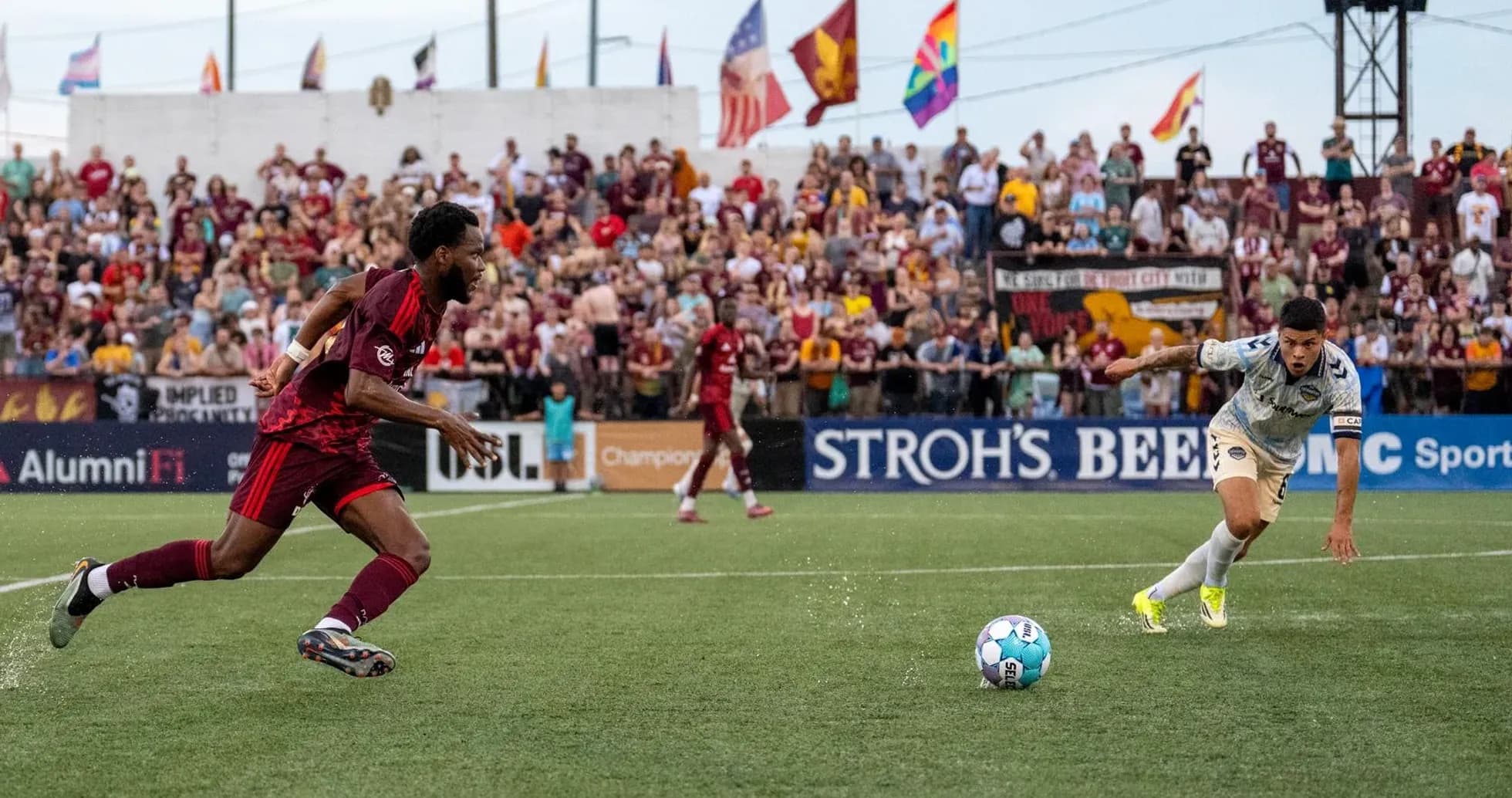
Keyworth Stadium under lights, knockout tension without the label. Detroit City and Louisville City walked into this USL League One Cup Group Stage fixture knowing the margins were already thin. Heading into this game, the table painted a stark contrast: Louisville sitting 1st in Group 4 with 6 points and a goal difference of 6, Detroit down in 5th with 4 points and a goal difference of -1.
Over the broader campaign, the two sides had carved out very different identities. Detroit’s season in the Cup had been a grind: 3 fixtures in total, just 1 win and 2 defeats, with only 2 goals scored overall and 3 conceded. At home they had struggled badly, losing both of their 2 home fixtures, scoring just 1 goal and conceding 3, an average of 0.5 goals for and 1.5 against at Keyworth.
Louisville, by contrast, had been ruthless. Across 3 fixtures in total they were perfect: 3 wins, 0 draws, 0 losses, with 9 goals scored and only 2 conceded. Whether at home or on their travels, their attacking output was identical: 3.0 goals on average both home and away, with defensive numbers of 1.0 conceded at home and 0.5 away. It was the profile of a side that expects to dominate.
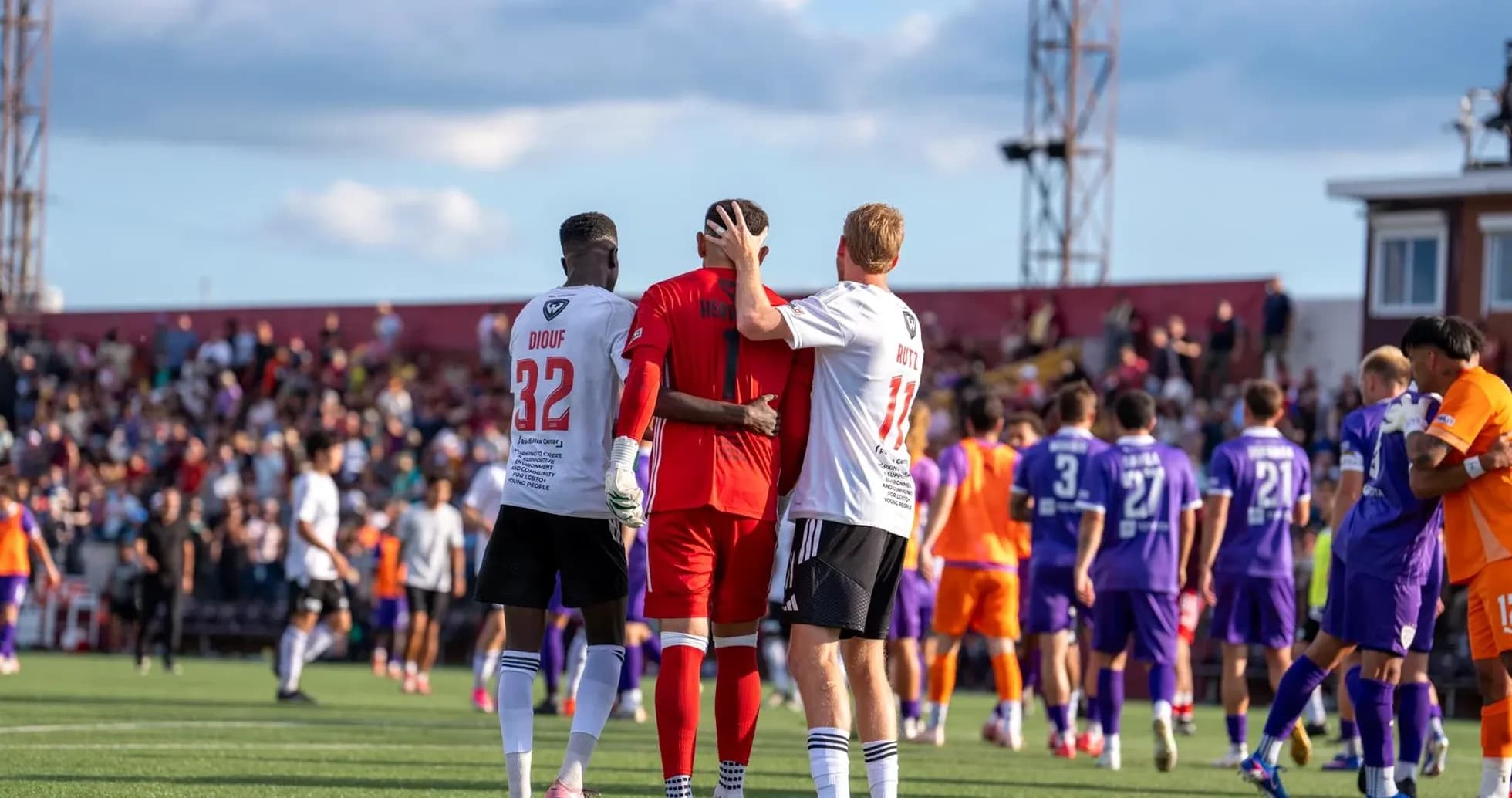
Yet on the night, dominance did not translate to goals. After 120 minutes, the scoreboard still read 0–0, and only the penalty shootout separated them: Detroit 3, Louisville 4. Following this result, the narrative is less about raw firepower and more about how each squad bent their own seasonal DNA to survive a knife-edge cup tie.
Tactical Voids and Discipline
Neither side reported official absences in the data, so the voids were more tactical than personnel-driven. For Detroit, the key structural question was how to protect a fragile home defensive record while still giving their sparse attack a platform. With no fixed formation listed, the lineup hints at a back line built around R. Hope-Gund and D. Amoo-Mensah, with T. Silva and K. Hernandez-Foster likely flanking them. In front, the double presence of A. Diop and A. Stanley suggests a willingness to congest central areas, with Rafa Mentzingen and A. Diouf providing the connective tissue toward B. Morris as the nominal spearhead.
Discipline has been a defining thread in Detroit’s season. Heading into this game, their yellow card distribution showed a clear spike after the interval: 37.50% of their yellows arrived between 46–60 minutes, with another 25.00% in the 31–45 range and 25.00% between 76–90. It sketches the picture of a side that often has to foul to reset the rhythm, especially early in the second half when games open up. No red cards in any time band suggests controlled aggression rather than chaos, but it also hints at periods where they are under sustained pressure.
Louisville’s disciplinary curve is more front-loaded. Their yellows were clustered between 16–30, 31–45, and 46–60 minutes, with 28.57%, 28.57%, and 42.86% respectively. That pattern fits a proactive, high-tempo side that presses hard and accepts early cautions as the cost of territorial dominance. Again, no reds in any time window speaks to experienced game management.
Key Matchups
Hunter vs Shield
In a statistical sense, Louisville’s “hunter” is the collective: 9 goals in total, split 3 at home and 6 on their travels, at a relentless 3.0 goals per game in every environment. That collective attacking machine ran into a Detroit defense that, on paper, was vulnerable at home but stubborn away. Overall, Detroit had conceded 3 goals in total across 3 fixtures, with 3 of those at home and none on their travels.
On the night, the Shield held. C. Herrera, fronted by the central pairing of R. Hope-Gund and D. Amoo-Mensah, anchored a block that refused to be stretched the way Louisville had stretched others. Detroit’s season-long numbers suggested they tend to concede in volume at home, but here the defensive line compressed the pitch and likely forced Louisville into lower-quality chances, turning a 3.0-goals-per-game juggernaut into 120 minutes of frustration.
For Louisville, the defensive “shield” had been quietly excellent all campaign: only 2 goals conceded in total, with an away average of just 0.5 goals against. That unit, marshalled by S. Totsch and B. Dayes, and protected by the midfield presence of Z. Duncan, again delivered on script. Detroit’s attack, which had only 2 goals overall in the Cup and had failed to score in 1 of their 2 home fixtures, struggled to consistently break lines. The 0–0 after extra time is the logical intersection of Louisville’s defensive solidity and Detroit’s limited attacking output.
Engine Room
In the middle of the pitch, this was a battle of Detroit’s graft versus Louisville’s rhythm. For Detroit, A. Diop and A. Stanley embodied the “enforcer” profile: tasked with screening the back four, breaking up Louisville’s combinations, and giving Rafa Mentzingen and A. Diouf platforms to carry the ball out. Their job was not glamorous, but in a match that went 120 minutes without a goal, their work off the ball was decisive.
Louisville’s engine room, built around Z. Duncan and the versatile movement of players like B. Niang and J. Morris, is designed to feed waves of attacks and sustain pressure. The season statistics support that: Louisville had failed to score in 0 fixtures, with goals in every match and a biggest away win of 1–5. That rhythm was clearly disrupted here, suggesting Detroit’s central block stayed compact, denied easy half-spaces, and forced Louisville to circulate the ball in less dangerous zones.
Statistical Prognosis and the Penalty Edge
From a statistical vantage point, Louisville were always more likely to generate higher xG: their season-long averages of 3.0 goals for and only 0.7 against in total point to a side that consistently creates and denies quality chances. Detroit, at 0.7 goals for and 1.0 against overall, typically live on the margins.
Yet cup football compresses variance. Detroit’s defensive structure over 120 minutes effectively dragged Louisville’s expected goals down from their usual heights, while Louisville’s back line maintained their own standards against a Detroit attack that rarely exceeds 1.0 goal per game, especially at home. The goalless draw feels like the statistical midpoint of Detroit overperforming defensively and Louisville underperforming offensively.
The decisive edge came from the spot. Heading into this game, Detroit’s penalty record in total was fragile: 5 taken, only 3 scored, a 60.00% conversion rate with 2 misses (40.00%). Louisville, by contrast, were perfect from 12 yards in total: 4 penalties taken, 4 scored, a 100.00% success rate and 0 missed. In a tie that went to a shootout, those season-long trends loomed large.
Following this result, Louisville’s 4–3 win on penalties feels almost pre-written by the numbers. Detroit’s courage and structure dragged a group leader into deep water, but their historic vulnerability from the spot resurfaced at the worst possible moment. Louisville, ice-cold from 12 yards all season, simply extended that pattern under maximum pressure.
In narrative terms, Detroit City proved they can suffocate even the most potent attack in this competition, especially when they lean into the collective grit of Herrera, Hope-Gund, Amoo-Mensah, and the double pivot in front. Louisville City, meanwhile, showed that even when their attacking fluency is blunted, their defensive base and flawless penalty pedigree make them a brutally efficient cup side—one that does not need to play at full attacking throttle to survive and advance.