England's World Cup Selection: Tuchel's Bold Decisions
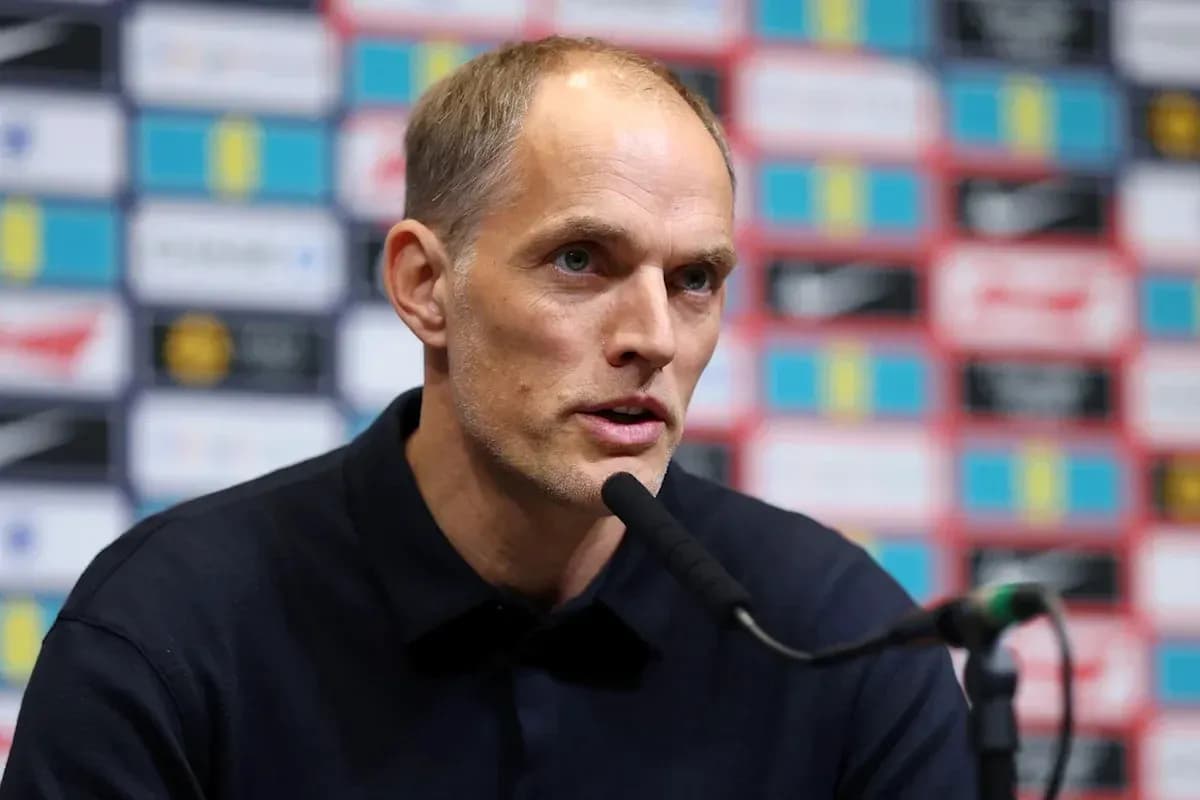
Thomas Tuchel has drawn his World Cup battle lines, and the noise is coming as much from the names left at home as those heading on the plane.
Phil Foden, Cole Palmer and Morgan Gibbs-White – three of England’s brightest technicians – are all out. Add Harry Maguire, Trent Alexander-Arnold, James Garner, Luke Shaw and Adam Wharton to the list, and this is not a gentle evolution. It is a hard reset.
Big calls, bold gambles
England open their World Cup campaign on June 17 against Croatia, with Ghana and Panama to follow in the group. By then, every one of these decisions will be under the microscope.
Tuchel has chosen to live with that pressure. The omissions strip away a layer of familiarity that has wrapped itself around England squads for years. No Maguire at the heart of defence. No Alexander-Arnold as the hybrid playmaker from deep. No Foden or Palmer threading passes between the lines.
In their place comes risk. And opportunity.
Nothing captures that better than the inclusion of Ivan Toney. The striker has made only one England appearance since 2024 and now plies his trade in the Saudi Pro League with Al-Ahli. On paper, he is an outlier. In tournament football, he could be the wildcard.
Toney offers something different: penalty-box presence, nerve from the spot, and a direct, combative edge that can turn tight games. Tuchel has clearly decided that in a short, brutal competition, those tools are worth backing.
A midfield built to carry the load
If the forward line carries the gamble, midfield carries the responsibility.
Here, Tuchel’s selection looks reassuringly solid. Declan Rice anchors the group, still the natural fulcrum around which this England side can pivot. Alongside him, Elliot Anderson, Morgan Rogers and Kobbie Mainoo arrive off strong club seasons, each with a case to be more than just squad depth.
Rice brings control and security. Mainoo offers calm on the ball and the ability to slip through pressure. Anderson and Rogers add energy and vertical running, the kind of legs that can stretch games late on and protect leads or chase them.
It is a unit that suggests Tuchel wants England to dominate central areas, to dictate tempo rather than simply survive it. With so many creative names missing further forward, that midfield will have to carry more of the invention as well as the graft.
A new England, on a tight deadline
The schedule gives Tuchel little room for error. Croatia first, the most seasoned opponent in the group, will test the structure and temperament of this reshaped side from the opening whistle. Ghana and Panama bring different problems – physicality, intensity, awkwardness – but the narrative will be set long before those games kick off.
Tuchel has chosen clarity over compromise. He has left out big reputations, backed form and fit over familiarity, and taken a swing on a striker rebuilding his career in Saudi Arabia.
Now the question hangs over this England squad: has he been brave at exactly the right moment, or a step too far on the eve of a World Cup?