Enzo Maresca Returns to Manchester City with Clear Vision
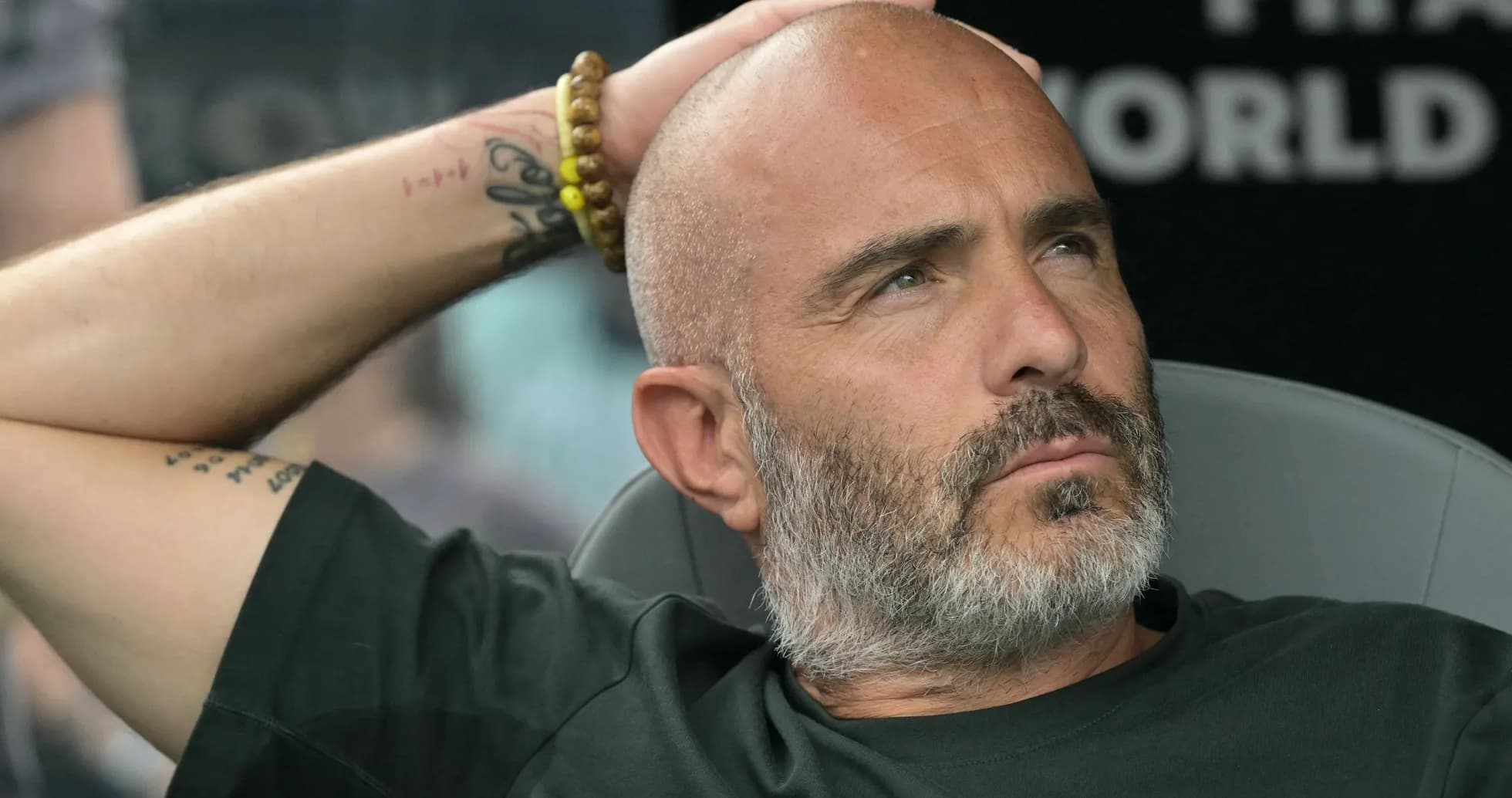
Enzo Maresca comes “home” to Manchester City with a clear plan, a heavy inheritance and no interest in shrinking from either.
The Italian walked into his first press conference as City head coach knowing exactly what loomed over his shoulder: Pep Guardiola’s era, its trophies, its ideas, its aura. He didn’t try to dodge it. He embraced it.
Before any talk of tactics or transfers, though, he paused. Maresca opened by sending condolences to the family of Kevin Keegan, a nod to the club’s wider history and a reminder that football, even at this level, still has room for a human touch. Only then did he turn to his own story.
“I feel as though I have returned home,” he said, describing the feeling from day one back in Manchester as “wonderful”. This is his third spell at City, after coaching the elite development squad and serving on Guardiola’s staff in 2022–23. That familiarity, he stressed, is central to why he is here now.
A club that doesn’t panic
Maresca made it clear: City’s structure sold him on the job as much as the squad.
He pointed to the remarkable continuity on the bench. Three coaches in roughly 17 years. Roberto Mancini, Manuel Pellegrini, Pep Guardiola. That kind of patience is almost extinct at the top of the modern game, yet it is precisely what convinced him to say yes the moment the call came.
“I know the institution well, and I have known the people inside the club for years,” he said. Stability, in his eyes, is not a slogan at City; it is the backbone of the project and the reason he believes he will be given time to shape his own version of a winning side.
The board, he argued, has already shown it values long-term work over short-term noise. That matters when you are following a coach he openly calls “perhaps the best in the world over the past twenty or twenty-five years”.
Living in Guardiola’s shadow
Replacing Guardiola is one of the most daunting assignments in football. Maresca did not try to downplay that.
“First of all, it is a great privilege that this club has chosen me,” he said, framing the job as both honour and ordeal. He invoked Sir Alex Ferguson and Arsène Wenger, men who defined eras and left enormous voids behind them. Those who come next rarely get an easy ride.
Maresca’s answer is simple: start correctly, from day one, for the sake of the club and the fans. No grand promises. No talk of reinvention. Just a determination to get the fundamentals right and to keep the journey that began under Mancini, passed through Pellegrini and exploded under Guardiola moving forward.
Transfers, tweaks and a restless market
On recruitment, Maresca was honest: City are not finished.
“There is always something that can be done,” he admitted, with the club still targeting specific objectives and reacting to the shifting dynamics of the window. Work is ongoing. Some deals need to be completed. The usual calm City front hides a busy engine room.
For now, his day-to-day sessions are dominated by youth. With the last group of senior players only due to report back three or four days before the Community Shield, Maresca has thrown himself into pre-season with a large batch of youngsters.
They have, he said, brought “great energy”, with several delivering “very impressive levels”. For a coach who made his name developing talent in City’s under-23s, this is familiar ground and a useful early laboratory for his ideas.
Rodri, rumours and recovery
Any new City manager will be asked about Rodri. Maresca’s first briefing was no exception.
Speculation has swirled around the midfielder’s future, but the Italian cut through the noise. Big players attract rumours. That is the cost of excellence, especially after a World Cup win and a run of dominant seasons. Every coach in the world would want him. City intend to keep him.
The immediate concern is not a transfer but surgery. Rodri goes under the knife on Monday and will then rest and recover before rejoining the squad. Maresca sounded unconcerned by the gossip around him, more focused on getting his midfield anchor back to full fitness.
On Chelsea’s pointed statement after his departure, he refused to be dragged into a spat. He spoke instead of feeling fortunate to have worked at both Leicester and Chelsea, of clear identities built and trophies won, and then drew a line. His focus, he insisted, now lies entirely in Manchester.
Grealish, Trafford and the reality of the window
Jack Grealish’s name surfaced quickly. So did the question: is he in Maresca’s plans?
“Jack is here, and he is a Manchester City player,” came the answer. As long as a player is under contract, Maresca sees it as his duty to work with him. He spoke warmly of Grealish’s character, calling him a player with a big heart and a wonderful personality. What happens later, he said, remains to be seen. That is the transfer market: fluid, unpredictable, and often beyond a coach’s absolute control.
James Trafford drew a similar response. Maresca knows him well from their time together in the under-23s, where Trafford was his goalkeeper. For now, the youngster is one of City’s keepers. The window is open. Anything can happen. The message was consistent: everyone in the building is his player until the moment they are not.
A familiar identity, not a copy
If there is one thing Maresca is determined to protect, it is his footballing identity.
He built recognisable teams at Leicester and Chelsea, and he believes that clarity is one of the main reasons City came calling. There will be echoes of Guardiola in his work – how could there not be, given their shared history and overlapping ideas – but Maresca is not here to stage a tribute act.
He wants his side to press aggressively when they lose the ball, to control games, to impose their style. Above all, he stressed, the objective remains the only one that truly counts at this level: winning matches.
Football, he said, never stands still. Set-piece routines evolve. Man-to-man defending returns, then morphs again. Systems shift. Coaches must keep finding fresh solutions or be left behind. His job is to adapt those core principles to a landscape that changes season by season.
Long balls to Haaland? One more weapon
One question cut straight to the tactical imagination: with Gianluigi Donnarumma in goal and Erling Haaland up front, will City start to lean more on the long ball?
Maresca did not dismiss it. “That could be one of the solutions,” he said.
Sometimes you play short. Sometimes you go long. The opponent dictates, the match situation demands. Having a goalkeeper with Donnarumma’s range and a striker like Haaland gives City a powerful option to bypass pressure and turn defence into immediate threat.
But he was adamant: it will not be the only way this team attacks. The aim is variety, a toolbox rather than a single hammer. Short combinations, long diagonals, set plays, counter-attacks – all tailored to the specific demands of each game.
That, in the end, might define the Maresca era in Manchester. Not whether he can mimic Guardiola’s patterns, but whether he can keep City winning while finding new answers to a league that keeps asking harder questions.