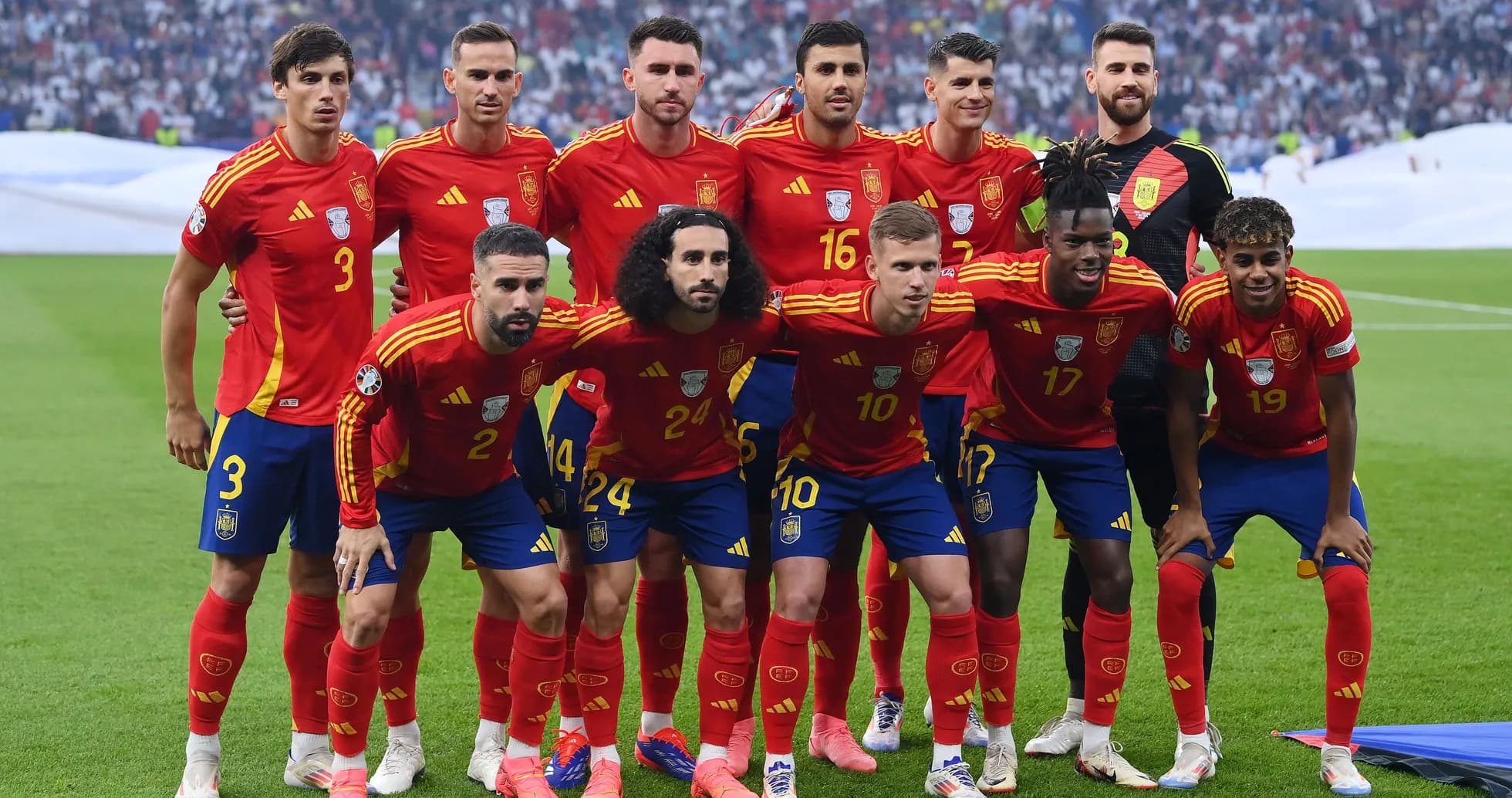
Fabian Ruiz's Strong Ballon d'Or Argument After Winning World Cup and Champions League
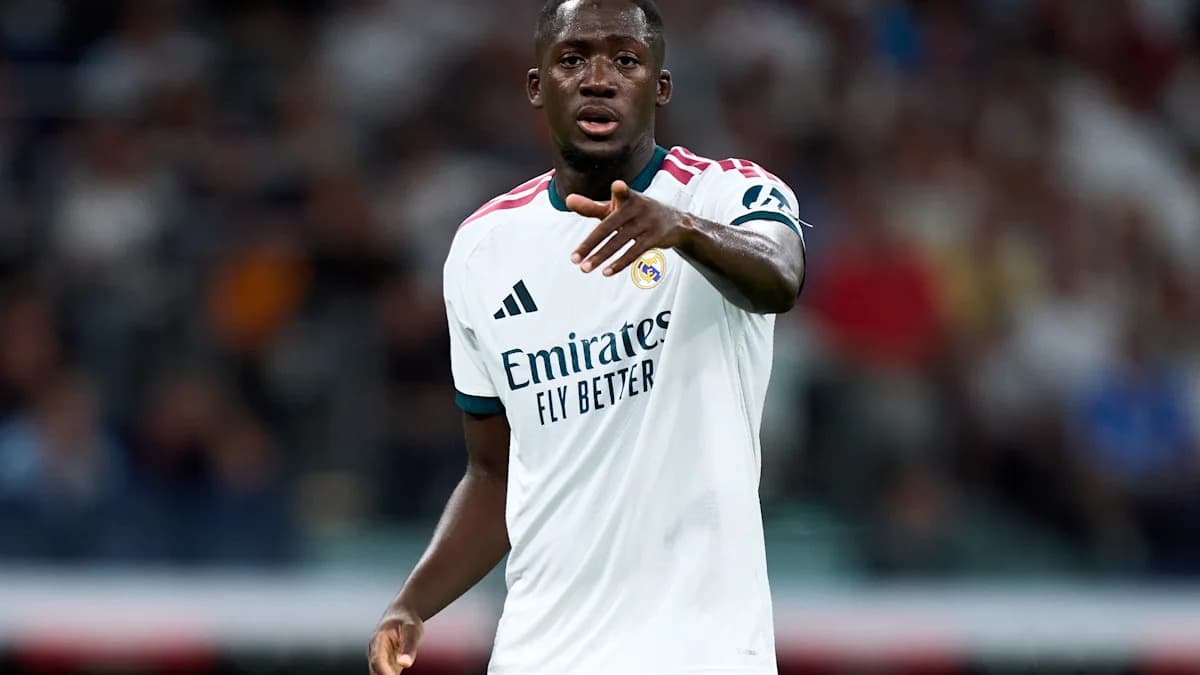
Fabian Ruiz knows exactly where he stands. World champion. Champions League winner. And, in his mind, right in the thick of the Ballon d'Or debate.
The Paris Saint-Germain midfielder has just come through the most decorated season of his career, one that still included a three‑month lay-off with a knee injury. That absence, he insists, should not cloud what he delivered when it mattered.
Speaking to L'Equipe, the Spain international did not hide his ambition. "In terms of titles, no one has had a better season than me," he declared. "Individually, great players have had an excellent season. A World Cup with your country is the biggest title you can win."
Ruiz leans heavily on that collective success. Lifting the World Cup with Spain and the Champions League at club level is a combination few can match in any era, let alone in a single campaign. He knows the numbers and highlight reels of others will dominate social media, but he believes the weight of trophies should count for more than any viral clip.
He is also realistic about the field he is stepping into. Lamine Yamal, Barcelona’s teenage phenomenon, has surged into the conversation as one of the prime favourites for the award. Ruiz recognises that wave of support and the excitement around a generational attacking talent, even as he quietly builds his own case from deeper on the pitch.
This is not the first time Ruiz has appeared on the Ballon d'Or radar. In an interview with France Football, he looked back at his 24th-place finish in last year’s voting and the feeling of simply being on that elite list.
"Where do I see myself in the Ballon d'Or race? That comes down to the voters," he said. "The most important thing for me is to put myself at the disposal of the team, while at the same time striving to be among the best. I was fortunate to be among the list of thirty nominees last year. Being among the thirty is a great honour."
That tension runs through his words: a player who insists the team comes first, yet understands that his role within it is finally drawing global attention. He wants to be judged on impact, not on Instagram-ready moments.
Midfielders, though, know this game all too well. The spotlight usually chases goals and assists, not the player who knits everything together. Ruiz is acutely aware that his position often sits in the blind spot of individual awards, but he draws strength from a familiar example.
"Rodri won the Ballon d'Or two years ago," he reminded France Football. For Ruiz, that triumph changed the landscape. It proved that a controlling midfielder, not just a free-scoring forward, could be recognised as the best in the world.
From there, his message broadens. He wants voters to look past the traditional attacking metrics and weigh the full picture: the tempo set, the space closed, the balance provided. The invisible work that turns good teams into champions.
"And although defenders and goalkeepers still find it difficult to gain recognition," he added, "I believe what matters today is the role a player performs more than his position on the pitch. And it is important to set an example for children who are starting to play football, so that they also look at midfielders, defenders and goalkeepers."
That last line cuts to the heart of his campaign. Ruiz is not just arguing for himself; he is pushing for a broader recalibration of how football values its craftsmen and its guards. If his season of trophies forces a rethink about who gets to dream of the Ballon d'Or, his impact may stretch far beyond one glittering night on an awards stage.