Federico Valverde: From Right-Back Crisis to Midfield Star
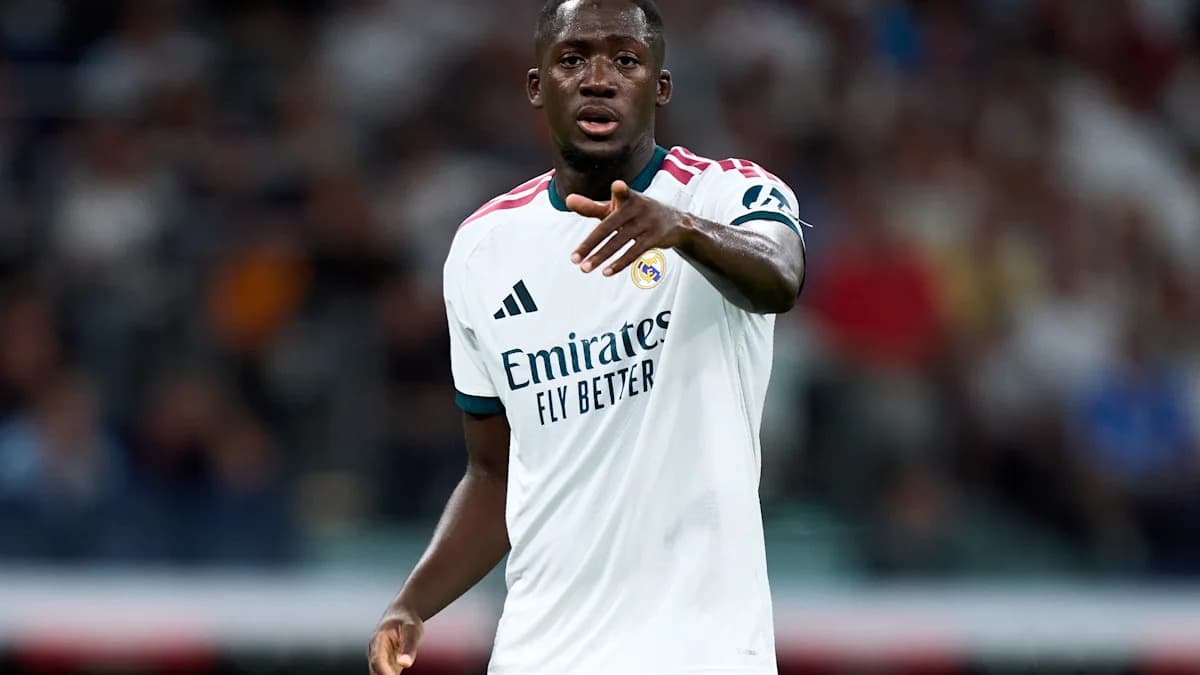
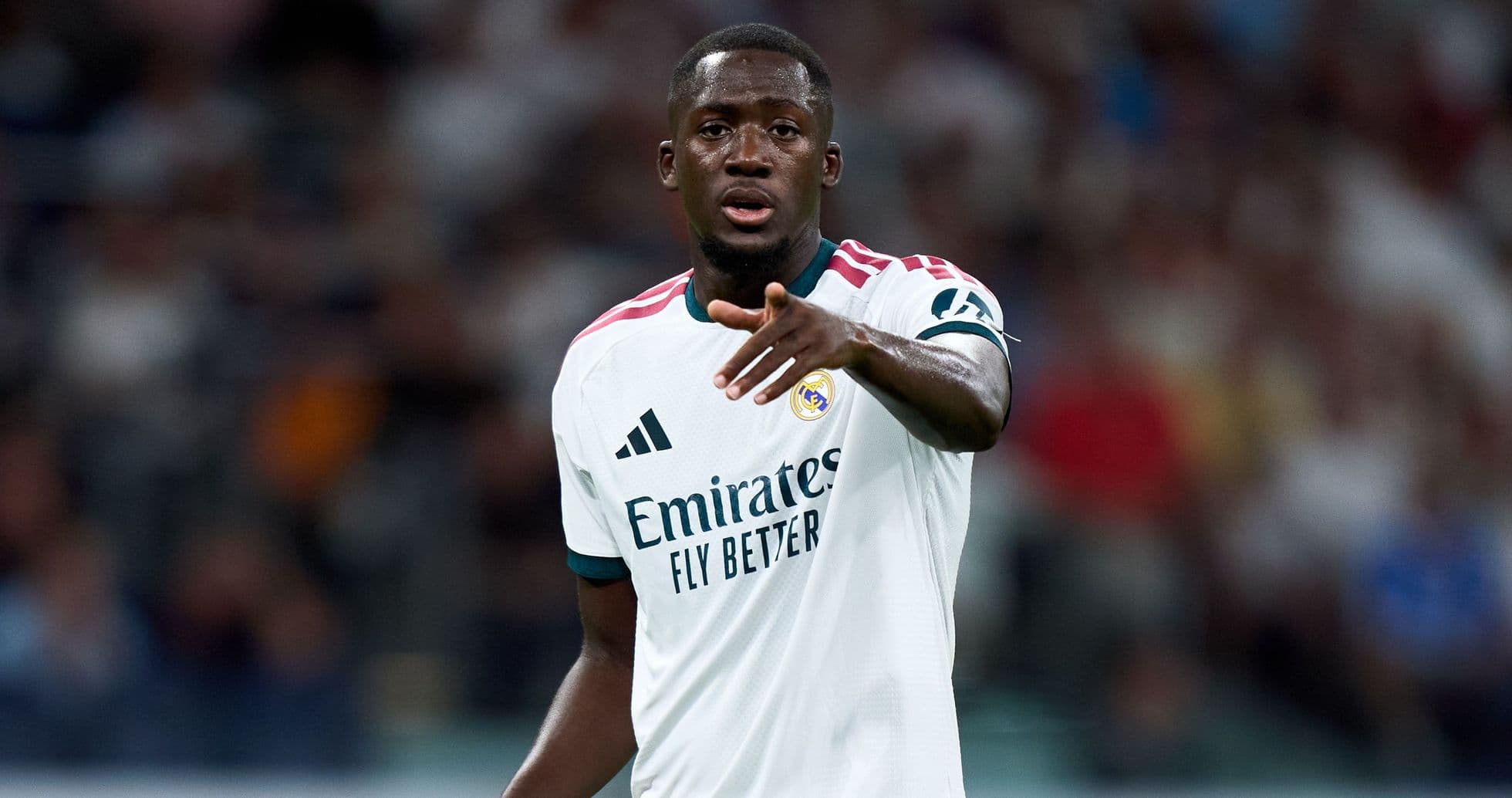
Federico Valverde walks back into Vallecas this weekend carrying more than just good form. He returns to face Rayo Vallecano, the team against whom he played his last game as a right-back for Real Madrid – a night that effectively closed one of the most uncomfortable chapters of his career and marked the end of a crisis in the Xabi Alonso era.
For the Uruguayan, Saturday is loaded with memory. And a little bit of vindication.
From reluctant full-back to midfield pillar
Valverde’s story in that role began with an emergency. Real Madrid were hit by injuries, and Xabi Alonso ran out of options on the right side of defence. With Dani Carvajal and Trent Alexander-Arnold both unavailable, the coach pushed Valverde back to right-back.
He never liked it. He accepted it, but he never embraced it.
Out of commitment to the shirt, he did the job. Week after week. Sixteen times in total. Yet the tension kept building until it finally burst on the eve of a Champions League game against Kairat Almaty.
In a press conference before that match, Valverde stopped hiding how he felt.
“I was not born to play as a full-back, and I did not grow up learning to play in this position. Because of an emergency, I found myself playing there,” he said.
Those words landed hard.
Alonso reacted immediately. In the next game, Valverde was dropped to the bench and Marco Asensio started at full-back. The debate around the Uruguayan’s role, his honesty, and the coach’s response quickly spilled into the club’s daily conversation.
The cold night in Kazakhstan
By the time Madrid reached Kazakhstan to face Kairat Almaty, the spotlight was fixed on him.
During the warm-up, all eyes went to Valverde. He cut a distant figure: cold expression, hands behind his back, the look of a player caught between duty and frustration.
He never got off the bench.
It was the only Champions League match all season in which he did not feature. An isolated absence in a campaign where he played every other game, including the one in which he produced a stunning hat-trick against Manchester City.
That contrast said everything. He was indispensable, but out of position. Loyal, but uncomfortable.
The end of the right-back experiment
The turning point arrived in January with Álvaro Arbeloa’s appointment.
Under the new manager, the experiment at right-back began to fade away. Little by little, the idea of Valverde as a full-back was shelved until his final outing in that role came against Rayo Vallecano.
Sixteen matches on the flank, then the curtain dropped.
The experience left a mark. Valverde had never hidden where he truly felt like a footballer: in the heart of midfield, where he could run, press, create, and arrive in the box. The right-back stint had been an act of service to the club, not a new identity.
Mourinho’s reset
Then came José Mourinho, and with him, a clean reset.
The Portuguese coach put Valverde straight back into his natural zone in midfield and built around him. He has started every match this season, a clear sign of how central he has become to Mourinho’s Real Madrid.
Mourinho didn’t just restore his position. He handed him responsibility.
Valverde is now treated as one of the cornerstones of the project, and his performances have reflected that trust. The hesitant full-back has turned into a commanding midfielder again, strong in the press, aggressive with the ball, and decisive in the final third.
He has already left his mark in attack, scoring against Inter and underlining his importance in Madrid’s new system.
Peace with Tchouaméni
One more cloud hung over Valverde’s name: his past clash with Aurélien Tchouaméni last season. Questions about their relationship lingered, so Mourinho addressed it head-on in his latest press conference.
“They are the ones who did everything, and I did nothing. If I had arrived in the dressing room without knowing anything, I would have thought they were close friends,” he said.
“When I arrived, and Tchouaméni returned from the World Cup, I was paying attention to find out whether I needed to intervene and play the role of peace minister, but I did nothing. The credit all goes to the players.”
The message was clear: the dressing room had fixed itself, and Valverde now stands fully integrated, both tactically and personally.
Now he goes back to Vallecas, not as a makeshift full-back under pressure, but as one of Mourinho’s untouchables in midfield. The stadium where a role once ended now greets a player reborn.