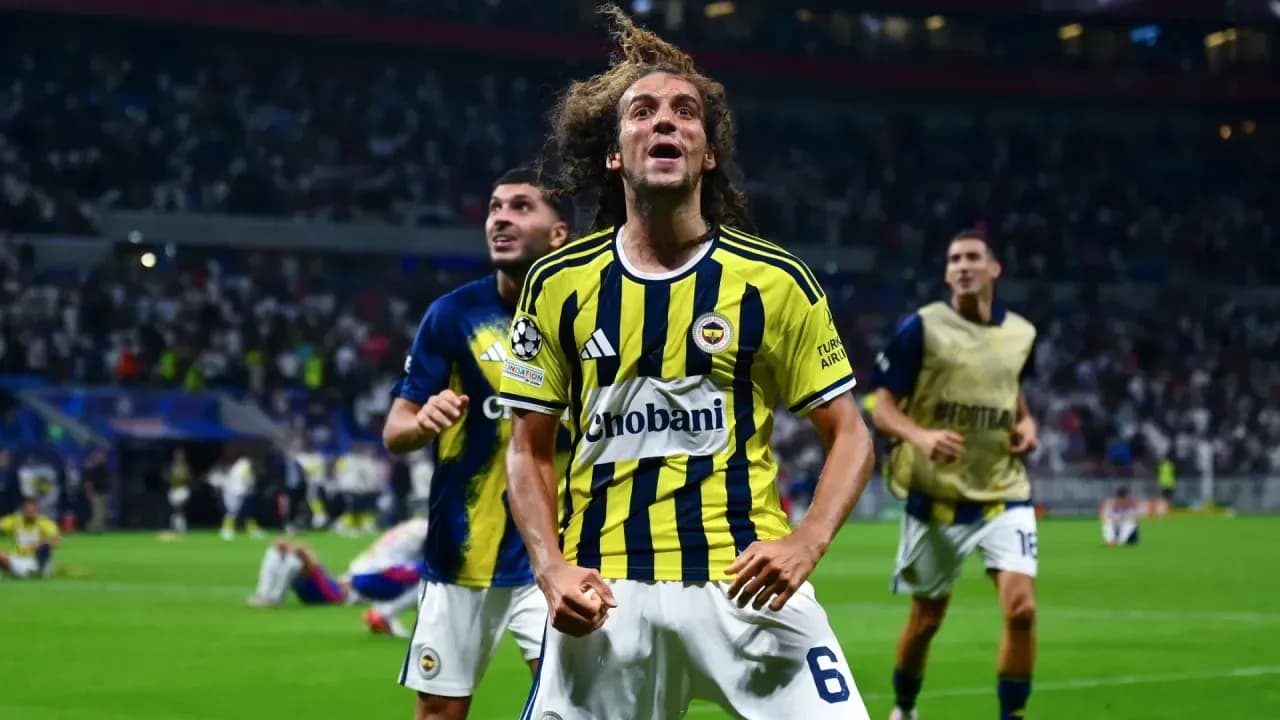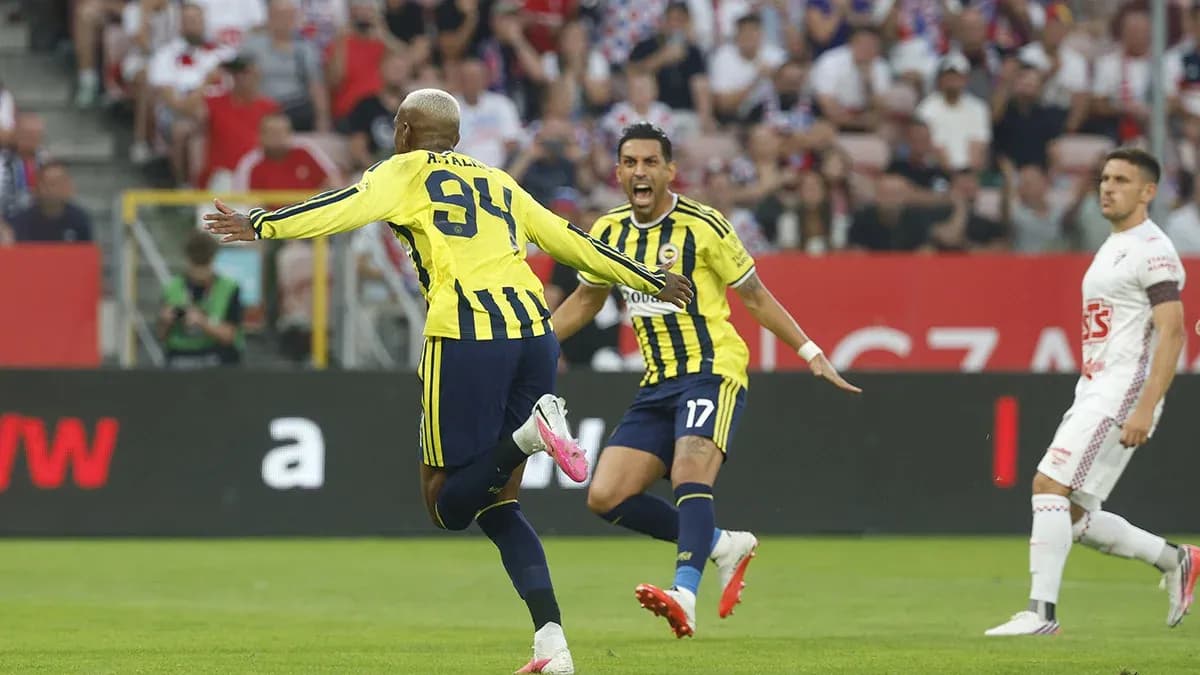
Fenerbahçe vs Sturm Graz: 2026 UEFA Champions League Qualifiers
Fenerbahçe host Sturm Graz at Chobani Stadium Fenerbahce Sukru Saracoglu in Istanbul in the 3rd Qualifying Round of the 2026 UEFA Champions League, a high-stakes tie where the result will strongly shape each club’s path toward the lucrative group stage and the financial and sporting platform that comes with it.
Head-to-Head Tactical Summary
The sides last met in the 3rd Qualifying Round of the 2017 UEFA Europa League. On 27 July 2017 in Graz, Sturm Graz, playing at Merkur-Arena, lost 1–2 at home to Fenerbahçe; the half-time score was also 1–2, indicating Fenerbahçe’s ability to build an early away advantage and then manage the game. A week later, on 3 August 2017 in Istanbul at Şükrü Saracoğlu Stadı, Fenerbahçe drew 1–1 at home, having led 1–0 at half-time. Across those two legs, Fenerbahçe showed control in game states: one clinical away win followed by a managed home draw to see out qualification.
Global Season Picture
- League Phase Performance: There is no current group-stage standings data available for either side in this Champions League campaign, so their league-phase profile must be inferred from early qualifying results and historical stature rather than points or goal tallies in a table.
- Season Metrics: In the league phase so far, Fenerbahçe have played 2 matches, with 1 win and 1 draw, scoring 2 goals and conceding 1. Their attack has been modest but efficient, averaging 1.0 goal per match while keeping 1 clean sheet and failing to score in none of their games. Discipline-wise, their yellow cards have clustered late, with bookings notably between minutes 31–45 and 76–90, plus a flurry in added time, suggesting rising aggression in closing phases. Sturm Graz, also over 2 matches, have a more explosive attacking profile: 2 wins from 2, with 6 goals scored (4 at home, 2 away) and none conceded. That 3.0 goals-per-game average, combined with 2 clean sheets and no failures to score, signals a high-tempo, front-foot approach backed by a solid defensive block. Their yellow cards are concentrated between minutes 46–75, indicating increased intensity just after the break.
- Form Trajectory: Fenerbahçe’s form string of “WD” shows an unbeaten but slightly conservative start: one win followed by a draw, suggesting stability but leaving questions about their ceiling against stronger opposition. Sturm Graz’s “WW” marks a perfect opening, with back-to-back victories, strong momentum, and no signs yet of defensive vulnerability.
Tactical Efficiency
Fenerbahçe’s early-season pattern points to a controlled, structurally sound side: low-scoring wins, one goal conceded in two matches, and a preference for a 4-2-3-1 setup that naturally balances defensive cover with a single-striker focal point. Their clean sheet rate and narrow scorelines indicate that they manage risk well but may lack the raw firepower to overwhelm a compact opponent without sustained pressure.
Sturm Graz, operating from a 4-4-2 base, have been markedly more efficient in both boxes: six goals scored and none conceded in two matches underline a vertical, direct style that turns possession into clear chances quickly, while maintaining defensive compactness. The absence of goals conceded, combined with consistent scoring both home and away, suggests that their attack and defense are currently aligned at a high level of execution.
The Verdict: Seasonal Impact
This 3rd Qualifying Round tie is pivotal for both clubs’ 2026 campaigns. For Fenerbahçe, failure to progress would mean another year without Champions League group-stage exposure, limiting revenue, coefficient growth, and their ability to retain or attract top-level talent. A positive result would reinforce a narrative of continental stability and keep alive ambitions of using the group stage as a platform for deeper runs and domestic prestige.
For Sturm Graz, advancing would validate their early-season attacking surge and elevate them from regional strength to credible Champions League participants, with direct implications for budget, squad building, and long-term seeding in European draws. An exit at this stage, despite strong qualifying form, would confine their European campaign to a lower tier and cap the upside of their current momentum. In short, this fixture functions as an early-season fork in the road: progression sets the tone for a season framed around Europe, while elimination forces both clubs to reorient their ambitions primarily toward domestic targets.