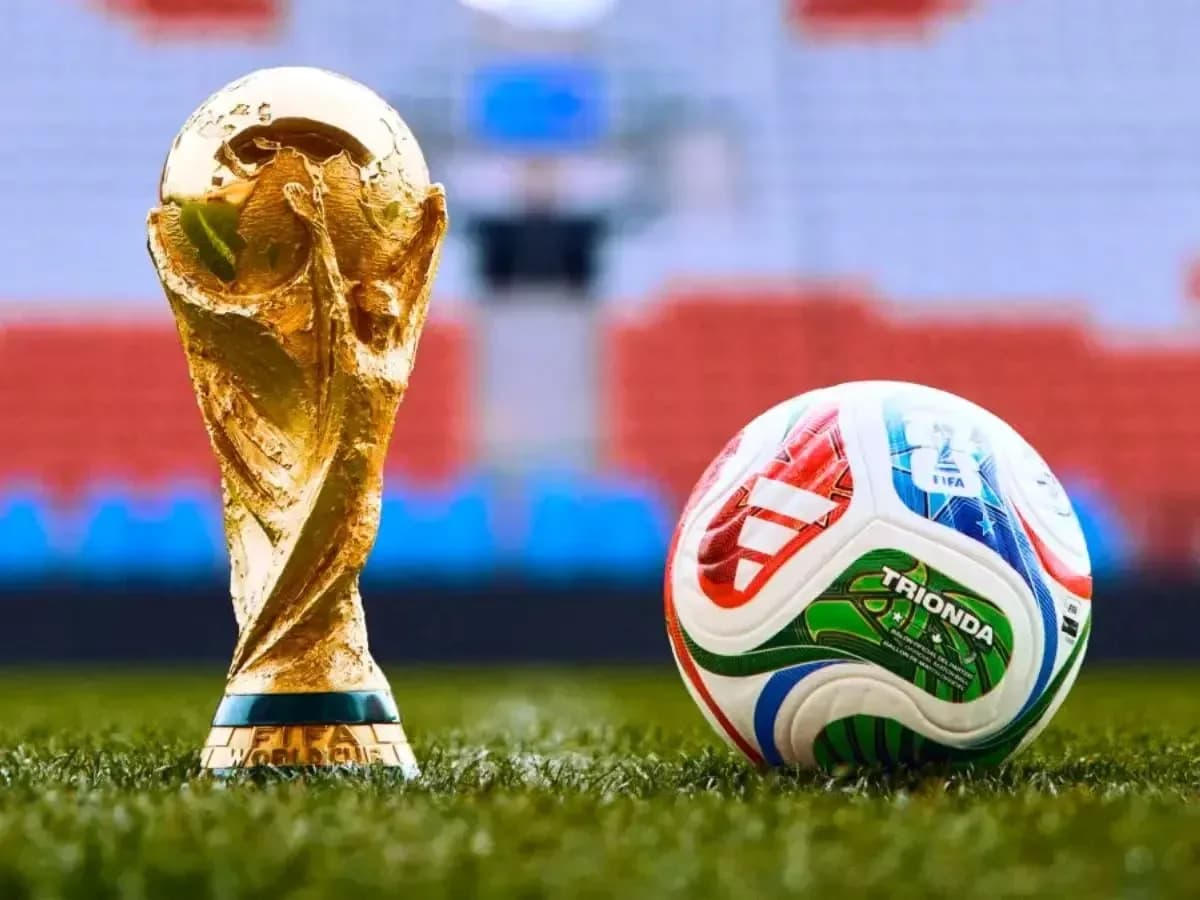
FIFA 2026 World Cup Final Ticket Prices Spark Backlash
The World Cup has always sold dreams. For 2026, it’s selling them at a record price.
With all 48 teams confirmed and a fresh batch of tickets released, FIFA has pushed the most expensive seat for the 2026 World Cup final to an eye-watering $10,990. Two tournaments ago, that figure was $1,600. Even in Qatar in 2022, the top-end ticket looked steep. Now it feels like a different sport.
This is the sharp edge of FIFA’s dynamic pricing model, a system that moves ticket prices up or down with demand. For the final, demand has done exactly what everyone expected: it has gone through the roof, dragging prices with it.
A Final for the Few
The latest release, covering 17 group-stage matches and the final, landed on Wednesday, April 1. It didn’t take long for the numbers to dominate the conversation.
In the previous sales phase, the most expensive ticket for the 2026 final was already a staggering $8,860. That figure now sits at $10,990. The climb is not limited to the elite hospitality seats either; the so‑called “cheaper” categories have marched upwards in lockstep.
- Category 2 tickets for the final now cost $7,380, up from $5,575 in December.
- Category 3 seats, the lowest of the main public brackets, have risen from $4,185 to $5,785.
These are not minor adjustments. They are seismic jumps in a matter of months.
For many fans, the message feels brutal: the biggest game in football is slipping out of reach.
FIFA’s Justification vs Fan Fury
The backlash has been swift and loud. Around the world, supporters have accused FIFA of turning the sport’s showpiece into a luxury product, a spectacle to be watched by the wealthy and the corporate, not the everyday fan who lives and breathes the game.
FIFA has pushed back. The governing body insists that the revenue from this pricing strategy will be pumped back into the sport, with a particular emphasis on developing grassroots football across the globe. In its telling, expensive seats at the very top of the pyramid help fund pitches, academies, and programmes at the base.
FIFA president Gianni Infantino has gone even further in his praise of the model. Speaking in January, he celebrated the returns from ticket sales, claiming the organisation had effectively secured funding “for 1,000 years of World Cups at once.” For critics, that line has become a symbol of how far the organisation’s priorities have drifted from the stands to the balance sheet.
Political Heat in the United States
The anger is not confined to fan groups and social media. In the United States, one of the 2026 host nations, the issue has landed squarely on the political stage.
In a letter sent to Infantino last month, 69 Democratic members of the US Congress condemned the use of dynamic pricing for the tournament. They argued that the system cuts directly against FIFA’s own stated mission.
“The employment of dynamic ticket pricing for the 2026 FWC starkly contrasts with Fifa’s core mission to promote the accessible and inclusive promotion and development of soccer globally,” they wrote.
The lawmakers pointed out that host cities have bent over backwards to help deliver what has been billed as the biggest, most global World Cup in history. Yet, in their view, the ticketing strategy risks locking out the very communities that were promised a festival of football.
Their warning was blunt: dynamic pricing is on course to make the 2026 World Cup “the most financially exclusionary and inaccessible to date.”
A Tournament at a Crossroads
The stakes are clear. The 2026 World Cup, spread across the United States, Canada, and Mexico, is supposed to be a landmark edition: 48 teams, more matches, more cities, more fans. Instead, the story right now is about who can afford to get through the turnstiles.
Dynamic pricing has turned the final into a financial arms race. Every surge in demand nudges the ceiling higher. Every new phase of sales redraws the line between those who dream of being there and those who actually can.
FIFA insists this is the cost of growing the game. Fans and lawmakers are asking a harsher question: if the World Cup’s biggest night is priced like this, whose game is it becoming?