FIFA Takes Action Against Spain Over Islamophobic Chants in Egypt
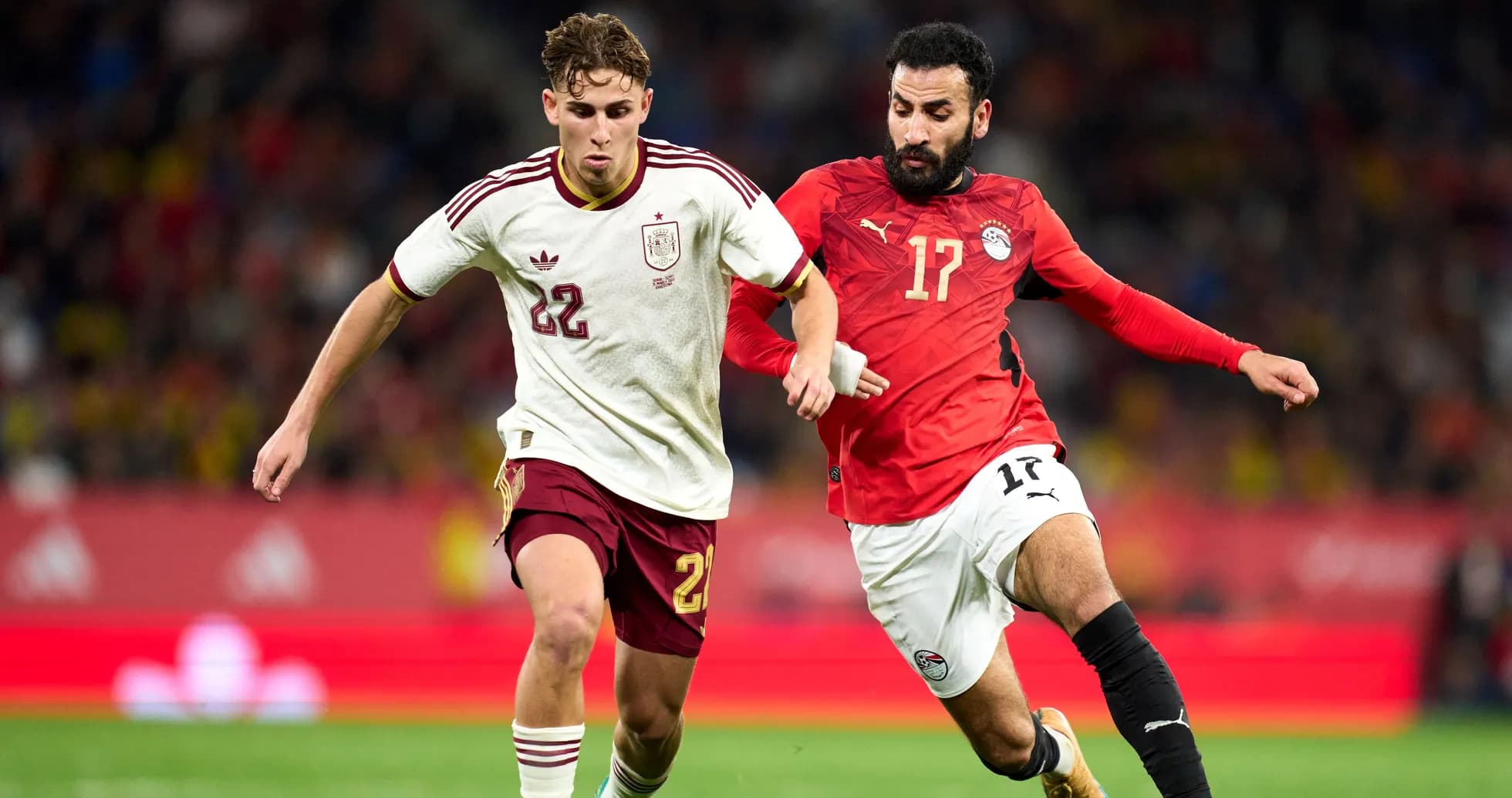
FIFA has launched disciplinary proceedings against the Spanish Football Federation after Islamophobic and racist chants stained Spain’s recent friendly against Egypt.
The match itself, a goalless draw during the last international break, should have drifted quietly into the archives. Instead, what happened in the stands has turned it into a flashpoint.
Boos rang out during the Egyptian national anthem. Then came the chants – insults directed at Islam, including one that echoed around the stadium and later spread across social media: “Muslims don’t jump.”
Those scenes triggered immediate outrage in Egypt, in Spain, and far beyond. They also drew a firm response from football’s governing body.
According to Spanish outlet AS, FIFA has “expressed its displeasure” at the events and formally opened a case against the Spanish Football Federation. The incidents were recorded in the referee’s match report, a key step that sent the matter directly to FIFA’s Disciplinary Committee.
Spain reacts, FIFA steps in
Condemnation inside Spain arrived quickly and from the highest levels. The Spanish government publicly denounced the abuse. The Spanish Football Federation followed, as did prominent figures in the game.
La Roja head coach Luis de la Fuente spoke out. So did Lamine Yamal, the teenage star who has already become one of the national team’s most visible faces. Their voices added weight to a chorus insisting that what happened in the stands cannot be brushed aside as background noise.
Catalan police have opened an investigation into the incidents, adding a domestic legal dimension to FIFA’s disciplinary process. The case has inflamed debate in both countries and highlighted, once again, how easily a football match can become a stage for something far uglier than sport.
What Spain could face
AS reports that FIFA is weighing a range of potential sanctions against the Spanish Football Federation. At this stage, the options being discussed include a financial penalty and an obligation to display anti-racism messages at future fixtures.
A stadium closure, often the headline punishment in high-profile racism cases, is not currently expected, according to the same report. The emphasis, at least for now, appears to be on punishment combined with visible, educational measures.
For FIFA, this is not an isolated case but part of a broader crackdown. Under Gianni Infantino’s presidency, the organisation has repeatedly stressed that racism is a red line and has moved aggressively when incidents are reported and documented.
Vinícius case sets the tone
The stance has been especially visible in the support shown to Real Madrid forward Vinícius Júnior, who has endured repeated racist abuse in recent seasons.
FIFA publicly backed the Brazilian after he reported being racially insulted during a Champions League match in Lisbon against Benfica, where he accused a Portuguese opponent of calling him a “monkey.” That episode reinforced FIFA’s message that such behaviour would not be treated as a minor disciplinary issue but as an attack on the values the sport claims to defend.
The Spain–Egypt friendly now sits in that same frame. A national anthem disrespected. A religion mocked. Chants that travel faster than any final scoreline.
The disciplinary process will run its course, with the Spanish Football Federation waiting to learn exactly how hard FIFA intends to come down. The message behind the verdict, though, may matter even more than the size of any fine or the wording of any banner.
In a season already crowded with battles on and off the pitch, this is another test of how serious football really is about drawing the line on racism – and what happens when that line is crossed in full view of the world.