Mykhailo Mudryk Faces Four-Year Ban Over Failed Drugs Test
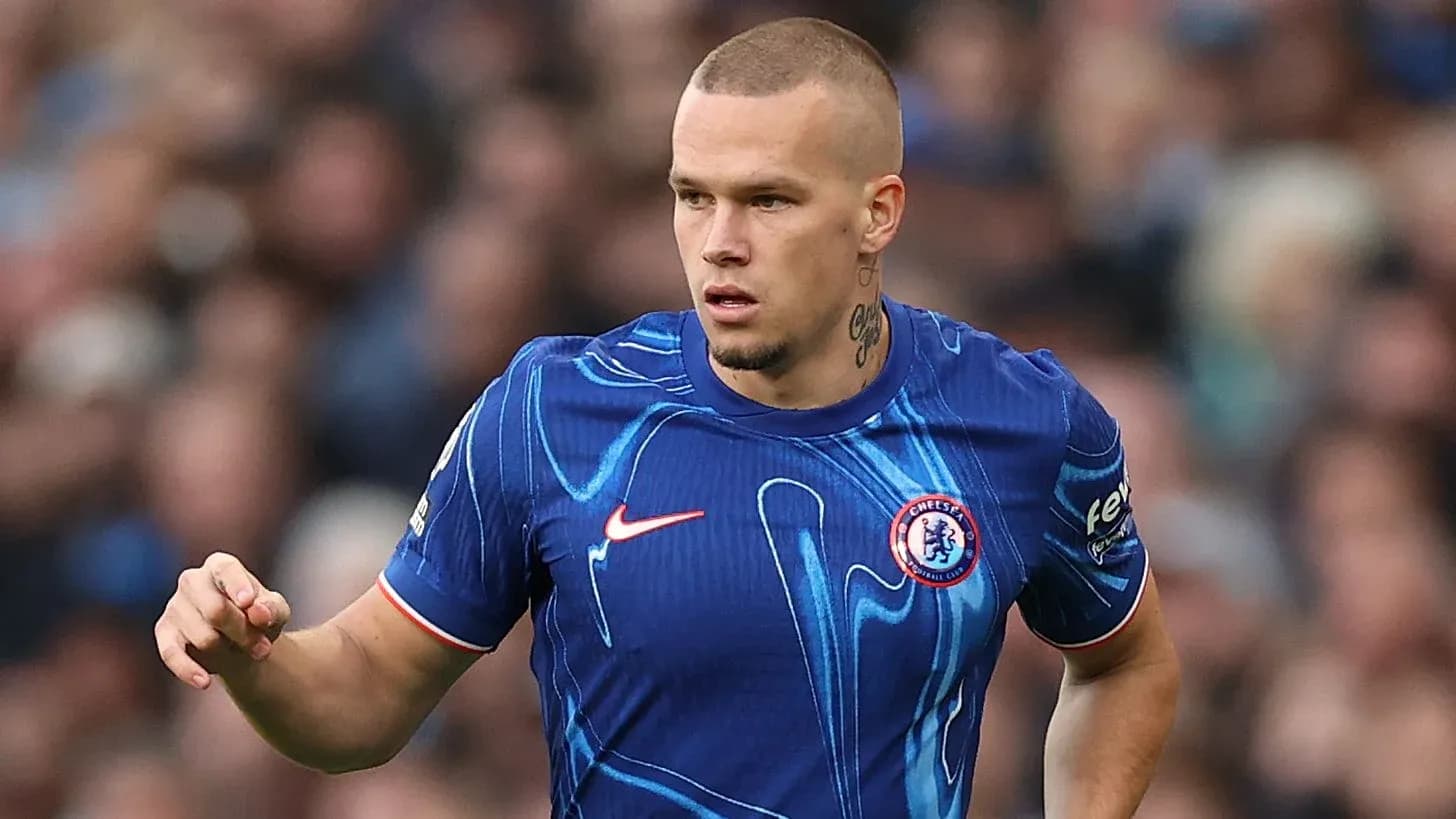
Mykhailo Mudryk has been hit with the heaviest punishment English football can deliver: a four-year ban that threatens to carve straight through the prime of his career.
The Football Association’s decision follows a long-running investigation into a failed drugs test, with the 25-year-old winger first pulled out of action in December 2024 after what was described as an “adverse finding in a routine urine test”. That triggered a provisional suspension. The formal charge arrived in June 2025. Now the verdict has landed.
Under anti-doping regulations, the sanction is expected to be backdated to the start of that provisional suspension. On paper, that keeps the former Shakhtar Donetsk star out of professional football until December 2028. For a player signed by Chelsea as a cornerstone of their future, the timescale is brutal.
Yet this story is far from finished.
A career on hold – and a fight in Switzerland
Mudryk has taken his case to the Court of Arbitration for Sport, the highest legal authority in world sport. CAS confirmed to BBC Sport that it received his appeal on 25 February 2026 and that both parties are currently trading written submissions. A hearing date has not yet been set, but when it comes, it will be decisive.
The case centres on meldonium, a cardiovascular drug known to improve respiratory capacity and endurance. It is understood that Mudryk came into contact with the substance while on international duty with Ukraine in October 2024. How, why and under what circumstances that happened will be at the heart of his legal defence.
Those close to the player are said to be hopeful. If CAS accepts his arguments and cuts the ban significantly, Mudryk could, in theory, be back on the pitch as early as next season. If it does not, the four-year suspension stands, and a career that once looked set to explode in the Premier League could be left in ruins.
“Complete shock” and a denial of intent
Throughout the saga, Mudryk has insisted he is not an intentional doper. In his only public statement since the suspension began, he spoke of being in “complete shock” and said he had “never knowingly used any banned substances or broken any rules.”
That distinction – between deliberate cheating and inadvertent use – is crucial in anti-doping law. It can mean the difference between a career-ending ban and a reduced sentence. The FA has declined to publish the full reasoning behind the sanction, and it has stayed silent as the case has wound its way towards CAS.
For now, the winger’s words stand alone in public view, framed against the cold weight of a maximum-length suspension.
Training in exile, waiting for judgment
Mudryk has not played for Chelsea since a Conference League tie against Heidenheim in November 2024. Yet he has refused to drift out of shape or out of sight.
Unable to feature for the club that paid an initial €70 million (£61m) to sign him in January 2023, he has been training with non-league side Uxbridge FC. Sessions are run with a private coach. Goalkeepers have been hired to keep drills sharp, finishing realistic, routines intense. It is the kind of work usually hidden behind the walls of elite training centres; now it plays out on the edges of the English pyramid, far from the glare of Stamford Bridge.
Off the pitch, Mudryk has assembled a heavyweight legal team. He has turned to Morgan Sports Law, the firm that helped Paul Pogba secure a reduction in his own doping ban and has previously represented Tyson Fury and Chris Froome in high-profile cases. Their involvement signals clear intent: this is a full-scale attempt to rescue a career, not a token appeal.
Chelsea and the FA keep their distance
Chelsea have chosen not to comment publicly while the legal process unfolds. Inside the club, there will be spreadsheets, scenarios, contract clauses and contingency plans. Outside, there is only silence.
The hierarchy at Stamford Bridge is expected to wait for CAS’s final ruling before taking any formal decision on Mudryk’s long-term future. A drastically reduced ban would pose one set of questions: how do you reintegrate a player who has spent so long in the wilderness? A confirmed four-year suspension would pose another, far harsher one.
The FA has also declined to speak on the case, content to let its written decision and the appeal process run their course.
For now, the next move belongs to CAS.
Somewhere in Switzerland, a panel will eventually sit down, sift through medical reports, testing data and legal arguments, and decide whether one of the Premier League’s most expensive signings gets a second act at the highest level – or watches the best years of his career tick away from the touchline.