Arsenal's Grass War in Madrid: Tactics and Tension
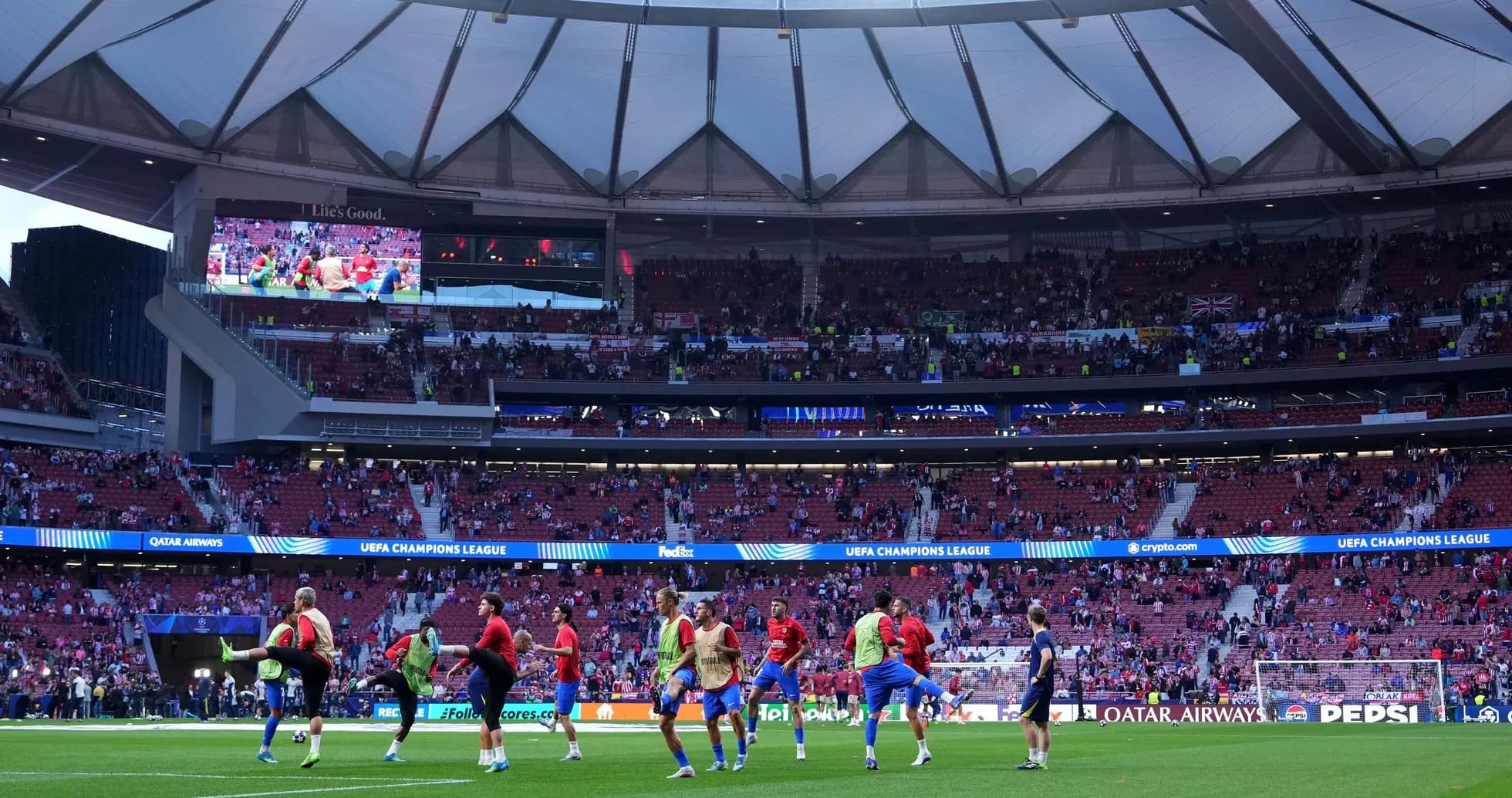
Arsenal arrived in Madrid ready for a Champions League street fight. Before a ball was kicked, they were already in one – with the pitch.
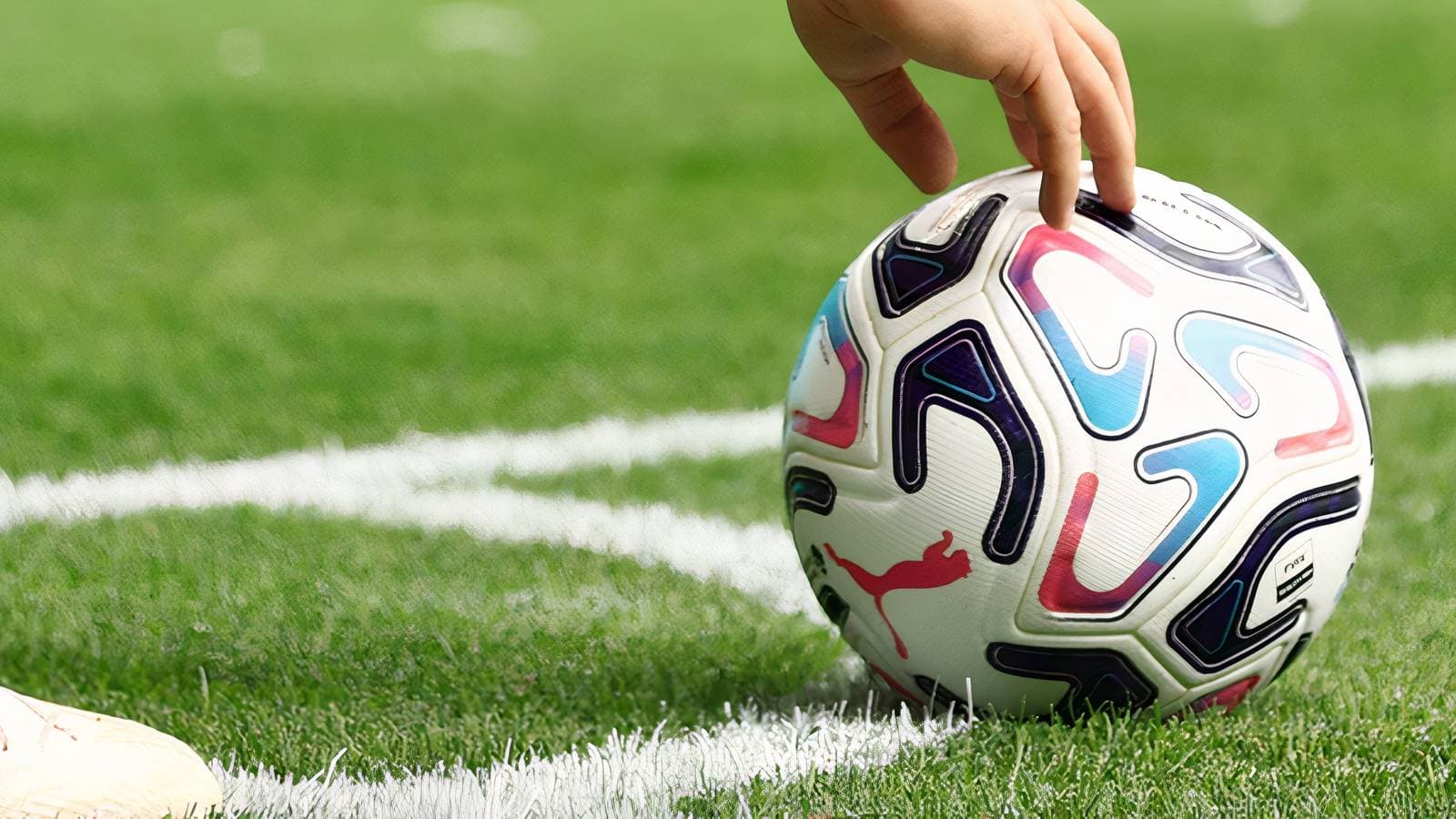
Just hours before their high-stakes first leg at the Metropolitano, the Premier League side took the rare step of asking UEFA for a formal pitch inspection. Not for lines, not for markings. For grass height.
In a stadium where Diego Simeone has built a reputation for squeezing every marginal gain out of an evening, Arsenal’s staff walked the surface, didn’t like what they felt underfoot and went straight to the authorities.
According to journalist Guillem Balague, the mood shifted during the pre-match walkthrough. Arsenal’s groundstaff and officials suspected the grass had been left deliberately long, the sort of subtle tweak that can smother a passing side’s rhythm.
"I need to tell you about the grass war that took place, just about an hour ago," Balague said on CBS Sports. "Arsenal, the groundstaff, came in thinking, 'The grass, it's too high. We're not happy with it'. They asked UEFA to actually measure it. They weren't happy. They thought that it was Simeone creating some dark arts."
UEFA’s response cut through the tension. The pitch, they ruled, measured 26 millimetres. Legal. The regulations allow anything between 21 and 30mm. Balague pointed out it was the same length used when Atletico hosted Barcelona.
The numbers didn’t erase the unease. Atletico have long lived with accusations of using the Metropolitano surface as another tactical lever in Europe. Arsenal’s suspicion slotted neatly into a growing dossier.
Barcelona had already raised an eyebrow earlier in the competition. Hansi Flick was seen in discussion with the UEFA match delegate during their visit, with the Catalan side convinced the grass length had been set to drag on their slick passing patterns, to dull their tempo just enough to matter.
Tottenham Hotspur felt it too. Their camp complained the pitch had been soaked to the point of heaviness, a surface that swallowed the ball rather than zipped it around. Each time, Atletico pushed back, insisting the grass is managed according to weather and temperature in the Spanish capital, nothing more.
The noise around the “grass war” provided a spiky backdrop to a contest that always promised to be physical and attritional. Once the whistle went, the focus snapped to the penalty spots.
Viktor Gyokeres struck first, converting from 12 yards to give Arsenal the lead and briefly quieten the home crowd. It was exactly the sort of foothold Mikel Arteta would have wanted in a stadium that feeds off chaos.
The control didn’t last. Early in the second half, Atletico punched back. Julian Alvarez stepped up with a penalty of his own and buried it, restoring parity and reigniting the Metropolitano. The game settled into a grind, every duel contested, every pass tested by a surface that had dominated the pre-match narrative.
Arsenal left with a 1-1 draw, a result that feels both frustrating and valuable. They had to fight for everything, on the pitch and, in their minds at least, in the turf beneath their boots.
If they believed the conditions tilted towards Simeone’s plan, the equation changes now. The return leg at the Emirates will be played on a faster, truer surface, one tailored to Arteta’s passing game and positional play.
The grass in London will be cut to Arsenal’s liking. The question is whether that will be enough to cut Atletico down to size with a place in the final on the line.