Fifa's Controversial Ban on Reusable Water Bottles at World Cup
Seven days from kick-off, Fifa has quietly ripped up one of its World Cup stadium rules – and ignited a row it did not need.
Reusable water bottles, which had been explicitly permitted under the original stadium code of conduct, are now banned. Not restricted. Not tweaked. Banned.
The previous guidance could hardly have been clearer: fans were told that empty, transparent, reusable plastic bottles of up to one litre could be brought into stadiums. That line has disappeared. In its place sits a blanket prohibition on bottles, along with cups, jars and cans, with Fifa citing safety and the risk of missiles being thrown.
The timing is striking. The tournament starts on 11 June. Travel plans are set. Fans’ packing lists are written. And only now are they being told that one of the simplest protections against heat – a refillable bottle – will be taken off them at the turnstiles.
Fifa’s explanation leans heavily on security. “Fifa is committed to protecting the health and safety of all players, referees, fans, volunteers, and staff,” world football’s governing body said in a statement, arguing that cutting out hard or throwable containers will reduce the chance of injury.
The organisation insists supporters will still be able to stay hydrated. Water will be on sale inside every venue, and Fifa has pledged not to hike prices above the usual rates charged at those stadiums for other events. “Inside the stadium footprint, pricing for water bottles for the Fifa World Cup 2026 will remain consistent with other events held at each stadium,” its statement said.
That assurance lands at a sensitive moment. Fans are already complaining of “extortionate” ticket prices and inflated train fares around the tournament. Against that backdrop, any move that forces supporters to buy more inside the stadium was always going to be met with suspicion.
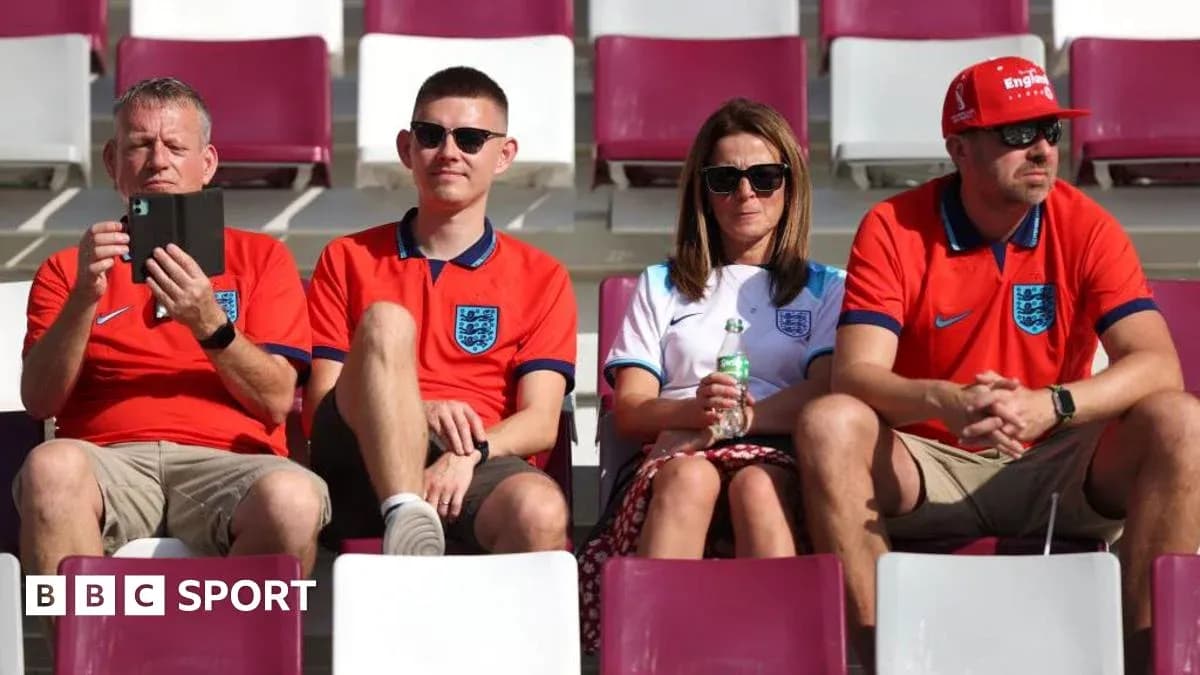
The backlash was instant. Free Lions, the long‑running England fans’ group, called it a “strange, late change” and accused Fifa of rowing back on previous commitments.
“In all of our discussions, free water availability in stadiums was a key one and we were assured by Fifa that this would be the case and that fans will have the ability to bring their own water bottle,” the group said in a statement on X. “Naturally, the immediate thought from supporters is this is just the latest money-grab. For how hot the stadiums will be, many in open air, just let fans bring a bottle if they want to.
“We hope the water fountains in stadiums will still be free, hopefully you aren't charged in the queue!”
Heat, not hooliganism, is what truly worries many experts. The reversal comes hard on the heels of warnings from scientists that Fifa’s heat safety measures are “inadequate”, with temperatures at 14 of the 16 host venues expected to push into dangerous territory during the tournament.
Fifa insists it has a plan. It points to a package of “heat mitigation” measures around stadiums, put together with host city committees and local authorities. Those include misting stations, fans, hydration points, cooling tents and other shaded or cooled areas around the wider stadium footprint.
“Fifa works closely with each host city committee and local authorities on heat mitigation factors for fans travelling to the stadium,” its statement said, outlining the network of cooling options that will sit outside the turnstiles.
The problem is perception. Supporters hear “no bottles” and “record prices” in the same breath and draw their own conclusions. They also remember Qatar, where fans were similarly blocked from taking bottles into stadiums and spent much of the tournament accusing organisers of squeezing them at every opportunity.
This latest move feels, to many, like history repeating itself.
Fifa is adamant it can strike the balance between security and comfort, between safety from flying objects and safety from searing heat. Over the next month, under a harsh summer sun and with tempers fraying in long queues, it will find out whether that confidence holds.