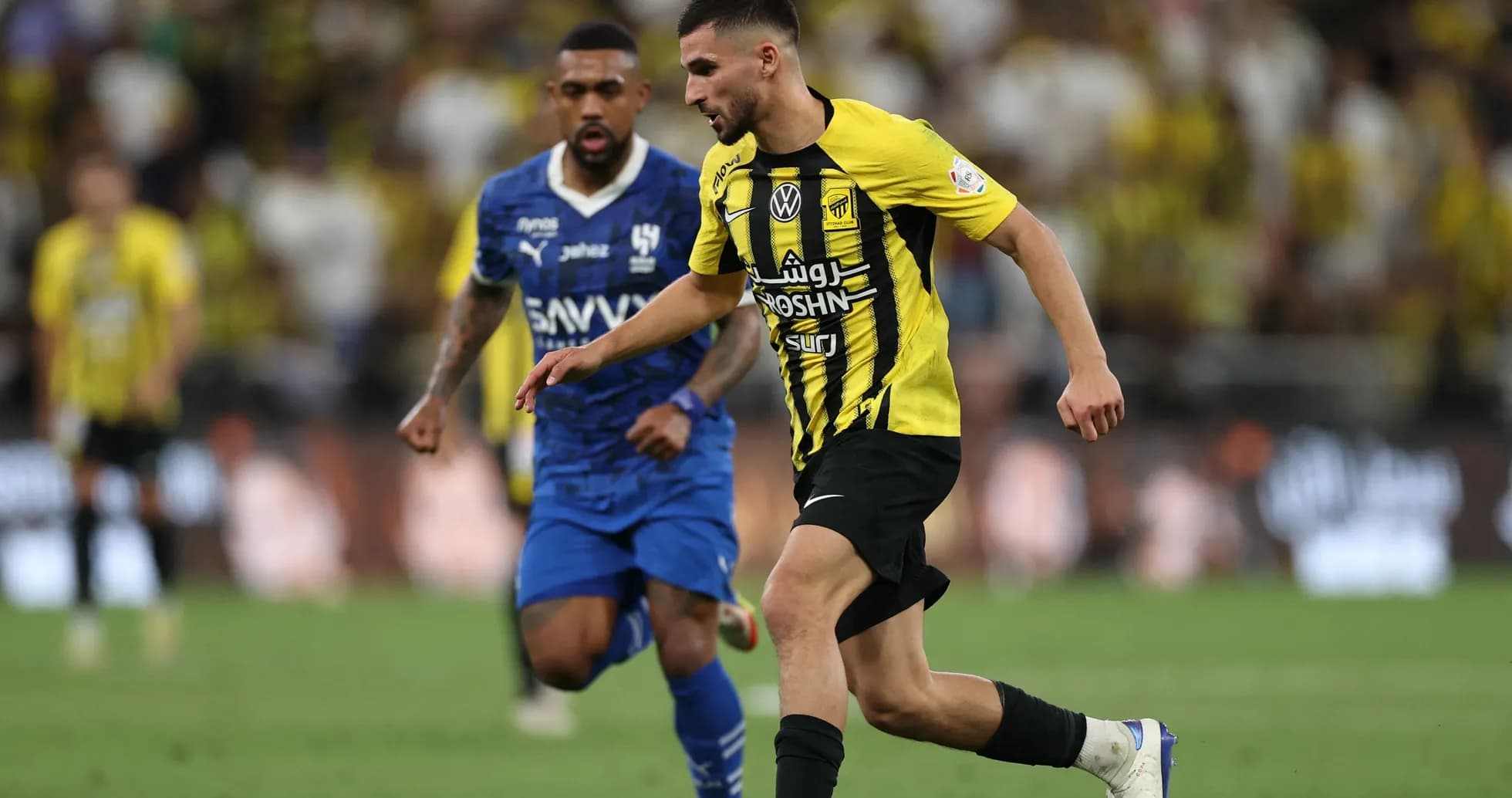
Midfield Revolution: Saudi Clubs Reshape Their Squads
In a league obsessed with marquee forwards and headline-grabbing wingers, the real revolution this summer has taken place a few metres deeper. The Saudi giants have gone to work with the scalpel in midfield, and three of them have come out almost unrecognisable.
Al-Hilal? They’ve barely flinched. And that might be the most dangerous move of all.
Life After Brozovic: Al-Nassr Rip Up the Blueprint
For the first time since 2023, Al-Nassr walk into a new season without Marcelo Brozovic patrolling the centre of the pitch. His departure doesn’t just remove a name from the teamsheet; it strips out the pivot around which their entire build-up used to turn.
Brozovic was the metronome. He dropped deep, received under pressure, stitched defence to attack and dictated tempo. When the centre-backs needed a passing lane, he appeared. When the game needed calming, he took the sting out of it. That sort of presence doesn’t get replaced with a single signing.
But Al-Nassr are going to try.
Samu Costa is the man handed the responsibility of filling that void, and with him comes a different shape. The club look set to rebuild the heart of the side around a trio of Abdullah Al-Khaibari, Angelo and the anticipated arrival of Costa. It’s not just a change of personnel; it’s a change of idea.
The new look aims for a more even split between dirty work and creativity. Al-Khaibari’s industry, Angelo’s link play and Costa’s all-round profile are being asked to do what Brozovic once managed almost alone: protect the back line, launch attacks, and give the team a structure with and without the ball.
Can that collective make up for the Croatian’s experience and authority in tight spaces? That’s the question hanging over Al-Nassr’s season before a ball is even kicked.
Al-Ahli Tear It Down to Build Again
Al-Ahli have chosen the same road of upheaval.
Franck Kessié is gone, ending a spell in which the Ivorian became a constant presence and one of the club’s most influential figures since 2023. He brought power, timing in the tackle and a knack for turning midfield duels into platforms for attacks. His exit leaves a sizeable hole.
The response has been bold. Eduard Spertsyan arrives to take on a major creative load, with fellow Ivorian Valentin Atangana alongside him. Around them, the club are still pushing to add another midfielder, knowing that the entire balance of the side depends on getting this rebuild right.
This is not a like-for-like operation. Al-Ahli aren’t chasing a “new Kessié.” They’re redrawing the map.
The new coaching staff want roles spread differently across the middle of the park, with responsibilities shared instead of funnelled through one dominant presence. The ambition is clear: a midfield tailored not just for domestic battles, but for a team with serious continental aspirations.
Next season, Al-Ahli’s engine room will look, feel and play differently. That’s the point.
Al-Ittihad’s African Core and a New Era Without Fabinho
If Al-Nassr and Al-Ahli have refreshed, Al-Ittihad have gone for something closer to a clean break.
The Fabinho era is over. The Brazilian, a central figure since 2023, has moved on, and with him goes a style of midfield anchored by his positional sense and reading of danger. His presence once gave Al-Ittihad a safety net in front of the defence; now that net has been removed.
In its place, the club have installed a new heartbeat: Dion Lopy, signed from Spanish side Almeria.
Lopy’s arrival instantly shifts the identity of the midfield. He joins Malian Mohamed Doumbia and Algerian Houssem Aouar to form a trio with a distinctly African core, mixing athleticism, aggression and technical skill.
Doumbia brings ball-winning and physical edge. Aouar offers touch, vision and the ability to operate between the lines. Lopy sits at the crossroads, expected to marry intensity with control, to close spaces and still keep the ball moving.
Al-Ittihad hope this blend finally delivers the balance they have been chasing. Fabinho’s departure closes a chapter built on his experience and defensive instincts. Lopy’s arrival opens a new tactical phase, one that promises more dynamism and a very different rhythm in the middle of the pitch.
While Others Rebuild, Al-Hilal Hold Their Nerve
Across the divide, Al-Hilal have watched the storm roll through everyone else and chosen calm.
No radical surgery. No headline clear-out. No scramble to rewire the centre of the pitch.
Ruben Neves, Sergej Savic, Mohamed Kanno and Nasser Al-Dawsari remain the spine of the side. It is a group heavy with experience and, crucially, understanding. They know each other’s movements, habits and weaknesses. They have lived through pressure games together and come out the other side.
That continuity is gold in a league where so many rivals will spend the opening weeks simply trying to figure out who fits where.
Neves still dictates from deep, spraying passes and setting tempo. Savic offers power and craft between the lines. Kanno provides legs, pressing and vertical runs. Al-Dawsari plugs gaps, shifts across zones and keeps the structure intact. The pieces are familiar, and that familiarity is a weapon.
While Al-Nassr, Al-Ahli and Al-Ittihad experiment with new combinations, Al-Hilal can start fast, lean on established patterns and fine-tune rather than reinvent.
In a season where almost everyone else has chosen chaos, stability might just be the sharpest tool of all.