FIFA Increases World Cup Cash for Clubs as 48-Team Era Begins
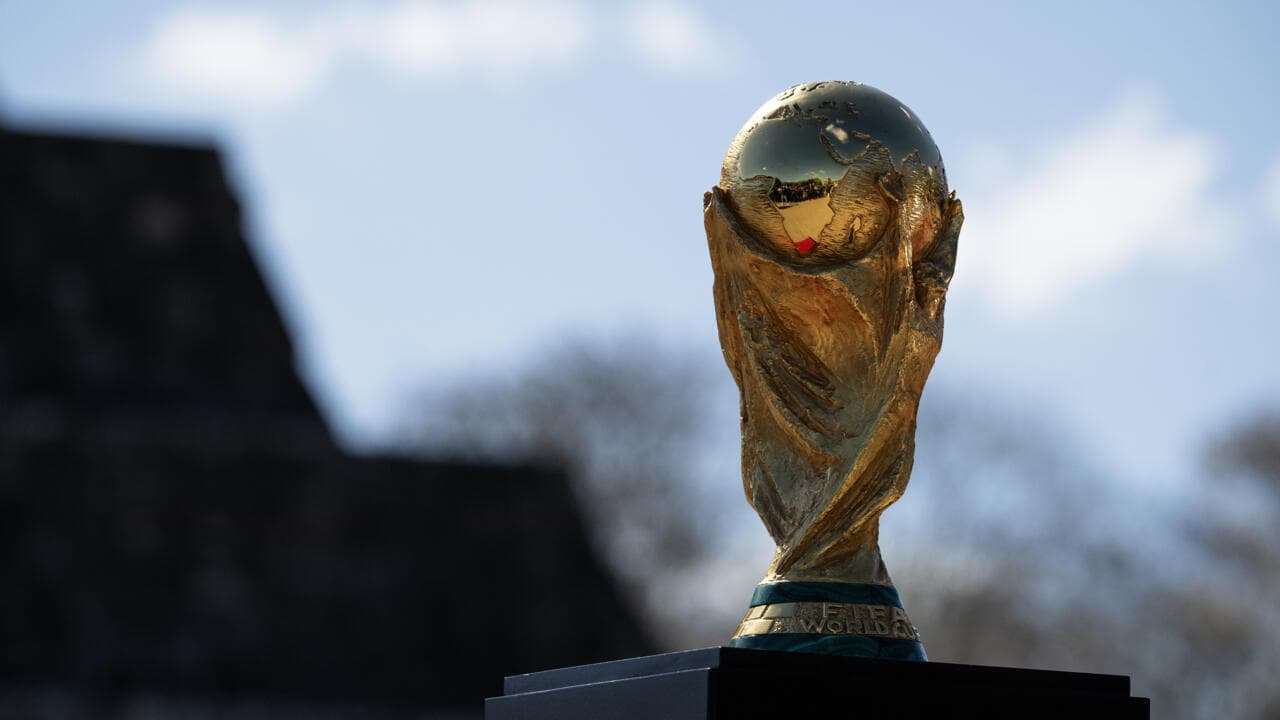
FIFA has opened the taps for clubs ahead of the expanded 2026 World Cup, lifting its Club Benefits Programme to $355 million – a hefty 70 percent jump on the payout linked to Qatar 2022.
The governing body had already flagged the rise last September. Now it sits in sharp relief against a tournament that will be bigger in every sense: more teams, more games, more days – and, crucially, more money.
Bigger tournament, bigger pie
FIFA does not publish full World Cup revenue figures, but its own projections tell the story. It expects total revenue this year to climb 56 percent compared with 2022. Stretch that over the four‑year cycle to 2026, which includes the new, enlarged Club World Cup in 2025, and FIFA forecasts a 72 percent increase on the previous cycle.
Those numbers underpin a World Cup that is being stretched to new dimensions. The field grows from 32 teams to 48. The match count rockets from 64 to 104. The competition window lengthens from 29 days to 39.
With that expansion comes a shift in how FIFA shares the spoils with the clubs who supply the players.
For the first time, clubs will also be compensated for appearances in World Cup qualifying, not just the finals. It is a significant structural change, acknowledging the physical and logistical burden of releasing players across a long, fragmented qualifying campaign.
How the $355m is carved up
FIFA has split the $355 million fund into three distinct pots.
The largest share, $250 million, is reserved for players at the finals. FIFA has calculated a minimum payment of $5,000 per player, per day spent at the World Cup, though it stresses that “the final figures will be confirmed after the conclusion of the tournament”.
Those payments, FIFA says, “will be calculated on a per‑player, per‑day basis, taking into account both squad inclusion and the duration of each player's involvement”. In other words, every day a player is officially part of a World Cup squad triggers money for his club, and the deeper a team goes, the more the club stands to receive.
The second major slice, $100 million, is earmarked for qualifying. Here, the formula is tighter but just as clear. FIFA estimates it will pay $2,362 for each player in a match‑day squad across 905 qualifying fixtures, plus 10 friendlies each for the three host nations, who do not need to qualify but still stage official preparation games.
That leaves $5 million to cover administrative costs. Any surplus from that sliver, FIFA says, will be “allocated to the benefit of global club football”.
Clubs finally see the upside
Gianni Infantino framed the move as a direct dividend of the World Cup’s expansion.
“This is another benefit from the expanded FIFA World Cup – providing more support across the entire football ecosystem to the clubs that provide all the players who compete to shine on the global stage,” the FIFA president said in a statement outlining the programme.
The mechanics matter. Payments are tied to a player’s club registration at the moment World Cup squads are announced. Yet FIFA has built in provisions for players who change clubs during the tournament and for late replacement call‑ups, a nod to the churn of the modern transfer market and the risk of injuries in the build‑up.
Clubs have long complained that they carry the wage bill and the injury risk while international football reaps the commercial rewards. With a 48‑team World Cup, 104 games and a packed qualifying calendar, that tension will not disappear.
But as the money rises and the compensation model widens to cover qualifiers, the next four‑year cycle poses a blunt question: in this booming World Cup economy, how far can FIFA go in turning national‑team duty from a burden into a business case for the clubs that power the sport?