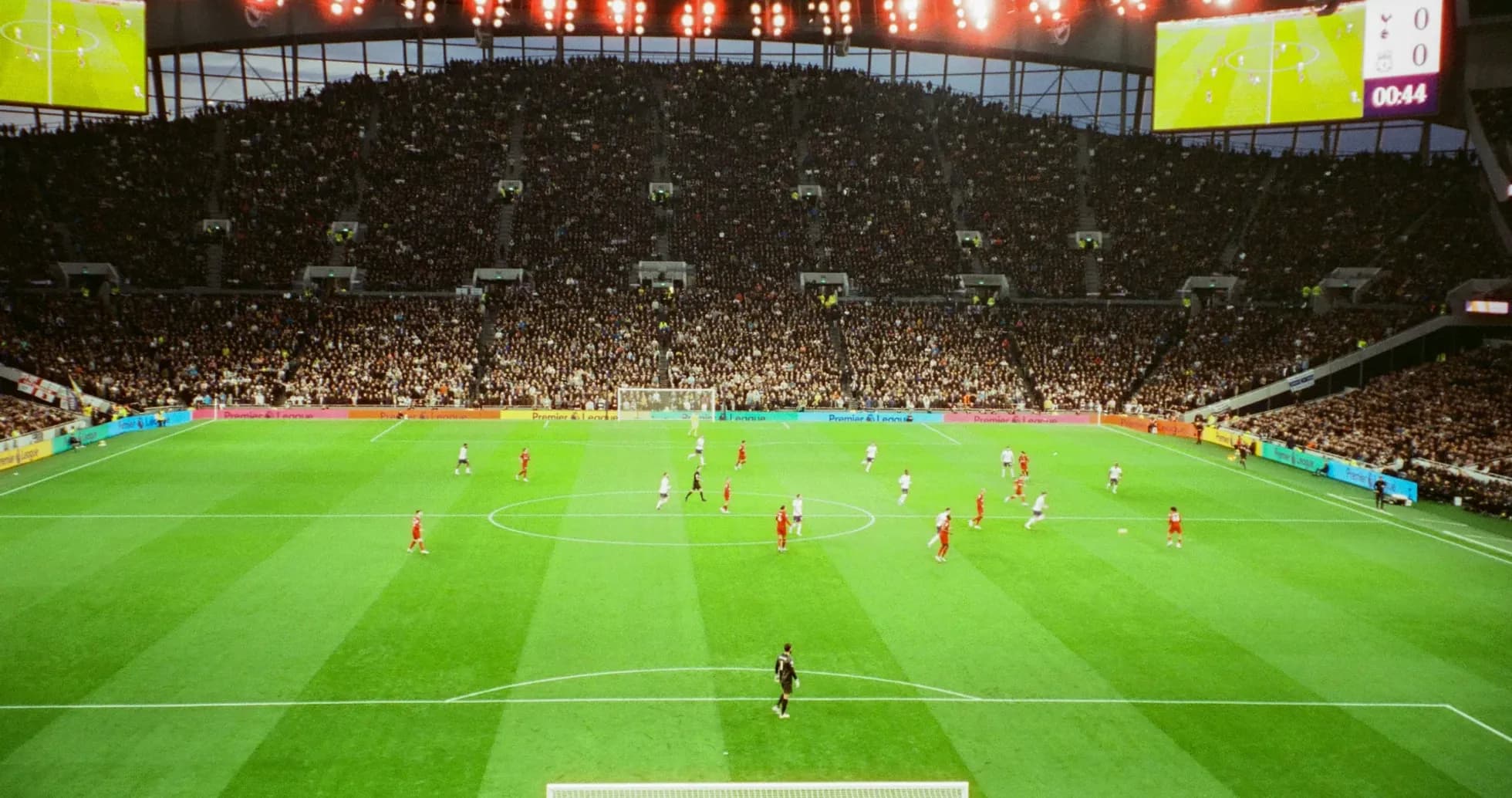
Fiorentina vs Lazio: Tactical Insights from a 2–1 Win
The late afternoon light over Curva Fiesole – Viola Park framed a contest that felt like a distilled version of both clubs’ seasons. Fiorentina W and Lazio W arrived as neighbours in the Serie A Women table, separated by just three points and by fine margins in style as much as in standings. Following this result, the 2–1 home win underlined why Fiorentina’s profile has been that of a high‑ceiling, occasionally volatile contender, while Lazio’s campaign has blended cutting edge in attack with a fragility that again proved costly.
Fiorentina’s season-long DNA has been clear. Overall, they have averaged 1.5 goals for and 1.4 against, with a goal difference of +3 built on strong home form. At home they have scored 21 goals in 11 matches, an average of 1.9, while conceding 15 at 1.4 per game. That profile showed through: assertive, front‑foot football, but rarely watertight. Lazio arrived as one of the division’s more dangerous travelling sides, with 18 away goals in 11 outings at an average of 1.6, but also conceding 18 at 1.6. It was always likely to be decided in the attacking thirds rather than by a cagey stalemate.
Jesus Pinones-Arce Pablo named an XI that leaned into Fiorentina’s technical and transitional strengths. C. Fiskerstrand in goal provided a calm platform behind a back line featuring E. Faerge, M. Filangeri, I. Van Der Zanden and E. Lombardi. In front of them, E. Severini and S. Bredgaard offered control and verticality, while the Icelandic trio K. Tryggvadottir, H. Eiriksdottir and I. Omarsdottir, alongside M. Cherubini, gave Fiorentina a dynamic, hard‑running front unit.
Lazio coach Gianluca Grassadonia responded with a shape that has become characteristic of their season: F. Durante in goal behind a flexible defensive structure of C. Baltrip-Reyes, M. Connolly, F. D’Auria and A. Castiello, with E. Oliviero anchoring midfield. Around her, F. Simonetti, E. Goldoni and M. Zanoli were tasked with linking to the forward threat of N. Visentin and M. Monnecchi. The bench, featuring N. Karczewska, C. Le Bihan and A. Benoit, hinted at the capacity to change the attacking picture late on.
First Half
The first half belonged largely to Fiorentina’s rhythm. Their season-long tendency to take initiative at home, where they have won 6 of 11, was evident as they pushed Lazio back and found the opening goal before the break, reflected in the 1–0 half-time score. The pattern matched the statistical backdrop: Lazio’s away defensive average of 1.6 goals conceded per game suggested they would struggle to keep a clean sheet against a side as assertive as Fiorentina in Florence.
The tactical voids in this contest were less about missing personnel – there was no formal list of absentees – and more about structural risk. Fiorentina’s card profile this season has shown a spike in yellow cards between 46–60 minutes (26.67%) and 76–90 minutes (20.00%), with a single red card arriving in the 76–90 window. Lazio, by contrast, have scattered their disciplinary issues more widely, but with red cards clustered in the 16–30, 76–90 and 91–105 ranges, each accounting for 33.33% of their reds. This underlying volatility on both sides meant that any shift in momentum after the interval could be amplified by nerves and challenges on the edge of control.
Second Half
The second half played into that narrative. Fiorentina, whose overall form line heading into this game read LDWWWDLWWDLLLWWDDLDWWW, have been streaky but resilient. They found a second goal to stretch the advantage, before Lazio’s response cut the deficit to 2–1 and set up a tense finale. The visitors’ season arc – 10 wins, 3 draws, 9 defeats overall, with a goal difference of +1 (31 scored, 30 conceded) – again revealed its double edge: they can score from almost nothing, but struggle to fully close the back door.
Within this, the individual matchups told the story beneath the scoreline. The “Hunter vs Shield” duel framed the game: Lazio’s attacking spearhead in the league has been M. Piemonte, with 7 goals from 21 shots and a rating of 7.08, supported by C. Le Bihan’s blend of 3 goals and 2 assists. Even though Piemonte did not feature in the matchday squad list, the tactical design of Lazio’s attack still mirrored her profile: direct, penalty‑box focused, and reliant on service from wide and half‑spaces.
Fiorentina’s own “hunter” was I. Omarsdottir, who has 4 goals this season from 13 shots and a rating of 6.75. Her presence in the starting XI was central to Fiorentina’s plan to pin Lazio’s back line and exploit the visitors’ away concession rate of 1.6. Around her, S. Bredgaard – one of the league’s top providers with 5 assists and 17 key passes – operated as the creative conduit. Bredgaard’s 28 dribble attempts, with 13 successful, underline her capacity to break lines individually, and that threat forced Lazio’s midfield to collapse inward, opening lanes for overlapping full-backs like Lombardi and the potential introduction of E. Woldvik from the bench.
The “Engine Room” battle featured E. Severini and Bredgaard against Lazio’s organiser E. Oliviero. Oliviero’s season has been outstanding: 5 assists, 414 passes at 71% accuracy, 23 tackles and 13 interceptions. Her ability to both screen and distribute is the hinge of Lazio’s structure. Yet Fiorentina’s layered midfield, with multiple players comfortable between the lines, repeatedly asked her to defend wide spaces and track runners, stretching Lazio’s compactness.
On the disciplinary side, Lazio’s edge was embodied by F. Simonetti. With 4 yellow cards and 1 red, plus 17 fouls committed, she is both an important presser and a potential liability. Her presence in the XI added bite but also risk in a match where Fiorentina’s dribblers invited contact. On the home side, Bredgaard’s own 4 yellow cards emphasised that Fiorentina’s main creator is not shy in the challenge, adding another layer of intensity in midfield duels.
From a statistical prognosis perspective, the outcome aligned closely with the numbers. Fiorentina’s home scoring average of 1.9 combined with Lazio’s away concession of 1.6 pointed towards the hosts reaching at least one, and likely two, goals. Lazio’s away scoring average of 1.6 suggested they would find the net despite Fiorentina’s three home clean sheets. A 2–1 scoreline fits that Expected Goals logic: Fiorentina creating enough volume and quality at home to outscore a dangerous but porous visitor.
Following this result, Fiorentina consolidate their position in 4th with 36 points from 22 matches, while Lazio remain just behind in 5th on 33 points. The narrative of the season – Fiorentina’s assertive home strength against Lazio’s thrilling but unstable away profile – played out almost to script. In a league increasingly defined by small tactical edges, this was a victory built on Fiorentina’s superior structure around their creators and the way they channelled their attacking talent into controlled, decisive moments rather than chaos.