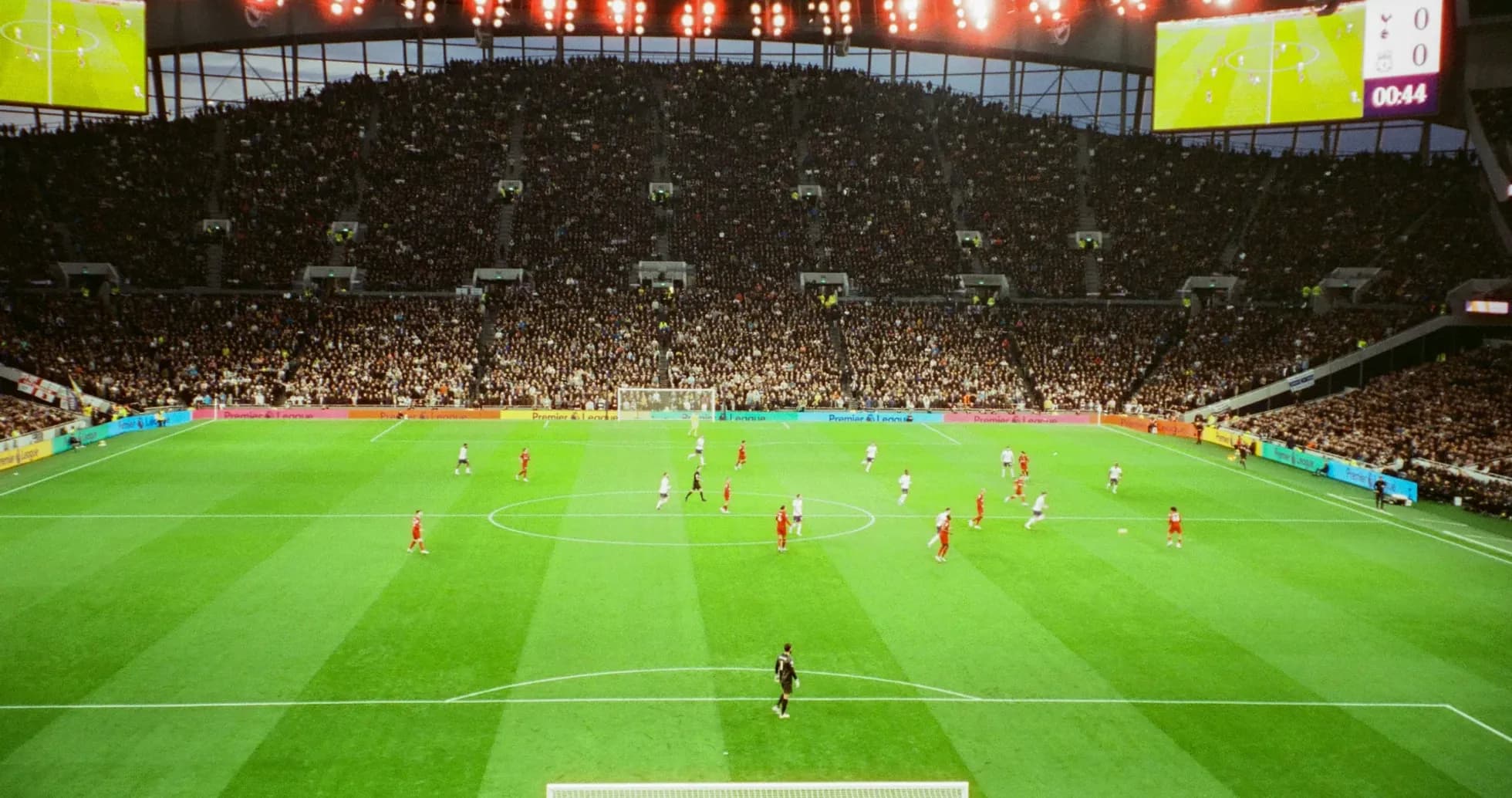
Ternana W Upsets AC Milan W 1–0 in Serie A
The afternoon at Stadio Libero Liberati ended with a statement: Ternana W 1–0 AC Milan W, a result that cut across the logic of the table and spoke instead to resolve, suffering, and a carefully constructed game plan. Following this result, the 10th‑placed side in Serie A Women, with a goal difference of -21 overall (19 scored, 40 conceded), had just taken down a Milan team sitting 7th with a far healthier overall goal difference of +5 (31 for, 26 against).
I. The Big Picture – Underdogs who chose to bite back
Across the season, Ternana W have been fragile, especially over the full campaign: only 4 wins in total from 22 matches, conceding on average 1.8 goals per game overall. Yet there has always been a different energy at home. At Stadio Libero Liberati they have taken 3 wins, 4 draws and 4 defeats from 11, scoring 15 and conceding 17. That 1.4 home goals‑for average – compared to just 0.4 on their travels – hints at a side that feeds off its own crowd.
AC Milan W arrived with the profile of a more complete team. In total this campaign they had 9 wins and 5 draws from 22, scoring 31 and conceding 26, and crucially they were balanced: 18 goals at home, 13 on their travels, with only 11 conceded away. An away goals‑against average of 1.0 suggested a unit that normally manages the tempo and the risk on their travels.
Yet over 90 minutes under referee M. Picardi, it was Ternana who imposed their rhythm, turning their season’s defensive anxieties into a disciplined, collective performance that finally matched their home attacking potential with defensive resilience.
II. Tactical Voids and Discipline – Edges found in the margins
There were no officially listed absences, so both coaches, Mauro Ardizzone and Suzanne Bakker, had close to full decks to play with. That made the starting selections even more telling.
Ardizzone went with experience and structure. K. Schroffenegger in goal provided the calm base a side with only 5 clean sheets in total this season desperately needs. In front of her, the defensive line of C. Martins, E. Pacioni, M. Massimino and L. Peruzzo was less about individual stardom and more about compactness – a necessary correction for a team that concedes 1.5 goals per game at home on average.
The midfield spine of S. Breitner, A. Regazzoli and C. Ciccotti hinted at industry and second‑ball control, while the front line of M. Petrara, M. Porcarelli and A. Gomes was tasked with stretching a Milan back line that, despite its solid numbers, has occasionally been exposed in high‑tempo away fixtures.
Bakker’s Milan were more familiar: S. Estevez in goal, shielded by E. Koivisto, N. Sorelli, K. De Sanders and M. Keijzer. In midfield, V. Cernoia and M. Mascarello brought passing range and bite, with C. Grimshaw and M. Renzotti linking to the wide threat of E. Kamczyk and the movement of T. Kyvag.
Discipline has been a season‑long subplot for both sides. Heading into this game, Ternana’s yellow‑card profile showed a clear late‑game spike: 25.00% of their yellows arriving between 76–90 minutes, part of a card curve that rises as fatigue sets in. Milan’s pattern was similar but even more pronounced, with 30.00% of their yellows also coming in that final 76–90 window, and a red‑card history scattered across the second half – one each in the 46–60, 61–75 and 76–90 ranges.
That context makes Ternana’s ability to close this one out at 1–0 particularly striking. A side that often loses control in the dying minutes instead managed the chaos, suggesting that the coaching staff had clearly targeted emotional control as much as tactical shape.
III. Key Matchups – Hunter vs Shield, and the Engine Room
Hunter vs Shield
On paper, Milan’s attack was the “hunter”. In total this season they averaged 1.4 goals per game, with a high away floor of 1.2. Their top scorer in the league, K. van Dooren, has 5 goals and a sharp shooting profile – 18 shots, 12 on target – and a penalty‑box presence that usually punishes disorganized lines. She did not start here, but her numbers frame the threat level Milan can deploy.
Ternana, by contrast, have leaned heavily on the finishing of V. Pirone across the campaign: 6 league goals, 5 penalties scored but also 1 missed, a reminder that even their main reference point has walked the thin line between hero and nearly. Even though she was not in this particular starting XI, the structural idea of a focal point remained, with players like A. Gomes and M. Porcarelli tasked with replicating that vertical threat.
The “shield” was Ternana’s much‑questioned back line. Conceding 23 times away but 17 at home, they are significantly more stable in Terni, and this match showed why. Pacioni and Massimino held their ground against Kyvag’s runs, while Peruzzo and Martins closed the wide lanes that usually feed Milan’s box entries. The result – a clean sheet against a side that has failed to score only 8 times in total this season – is a tactical victory of structure over reputation.
The Engine Room
The central duel revolved around C. Ciccotti and S. Breitner against Milan’s trio of Mascarello, Cernoia and Grimshaw. Mascarello’s season numbers – 368 passes in total with 15 key passes and a 77% accuracy – show a player who likes to dictate. Grimshaw, with 2 assists and 11 key passes from midfield, is Milan’s connector between lines.
Ternana’s answer was to compress that space. Ciccotti and Breitner repeatedly stepped into passing lanes, forcing Milan’s build‑up wider and longer. Once Milan were channeled to the flanks, Ternana’s back four could defend more predictably, with Schroffenegger dealing with crosses rather than clean through‑balls.
Bakker’s attempt to change the dynamic from the bench – calling on profiles like C. Dompig or Park Soo‑Jeong, both creative and direct options – ran into the same structural wall. Dompig’s season has been punctuated by a red card, and Milan’s broader red‑card record in the second half meant they had to chase the game without tipping over into reckless challenges. That tension blunted their usual aggression.
IV. Statistical Prognosis – A result that bends the curve
Following this result, the numbers for both sides take on a new shade. Ternana add another precious home win, reinforcing the idea that their 1.4 goals‑for and 1.5 goals‑against averages at Stadio Libero Liberati do not tell the full story of their competitive edge in Terni. The clean sheet is especially significant for a team with only 5 in total this campaign; it suggests that when the block is compact and the midfield disciplined, their defensive ceiling is higher than the overall 1.8 goals‑against average implies.
For Milan, the defeat is a warning. Their away profile – 4 wins, 2 draws and 5 losses, with 13 scored and 11 conceded – already hinted at vulnerability when asked to break down organized low blocks. Failing to score here, against a side with a negative overall goal difference of -21, underlines a gap between their territorial dominance and final‑third efficiency.
In xG terms, the pattern would likely show Milan with more cumulative efforts but Ternana with the clearer, more carefully constructed chances. The home side’s season‑long penalty perfection (6 scored from 6 in total, despite Pirone’s 1 miss in her personal record) also hangs over any defensive mistake in the box – a psychological lever that forces opponents to defend more cautiously.
Tactically, this 1–0 is more than an upset. It is a template. For Ternana, it is the proof that a compact 4‑3‑3 base, anchored by Schroffenegger’s authority and a hard‑working midfield, can neutralize stronger attacks and still carry enough threat to edge tight games. For Milan, it is a reminder that their creative engine – even with players like Grimshaw and Mascarello – needs sharper movement ahead of the ball and a more ruthless penalty‑area presence if they are to turn solid underlying numbers into consistent results on their travels.