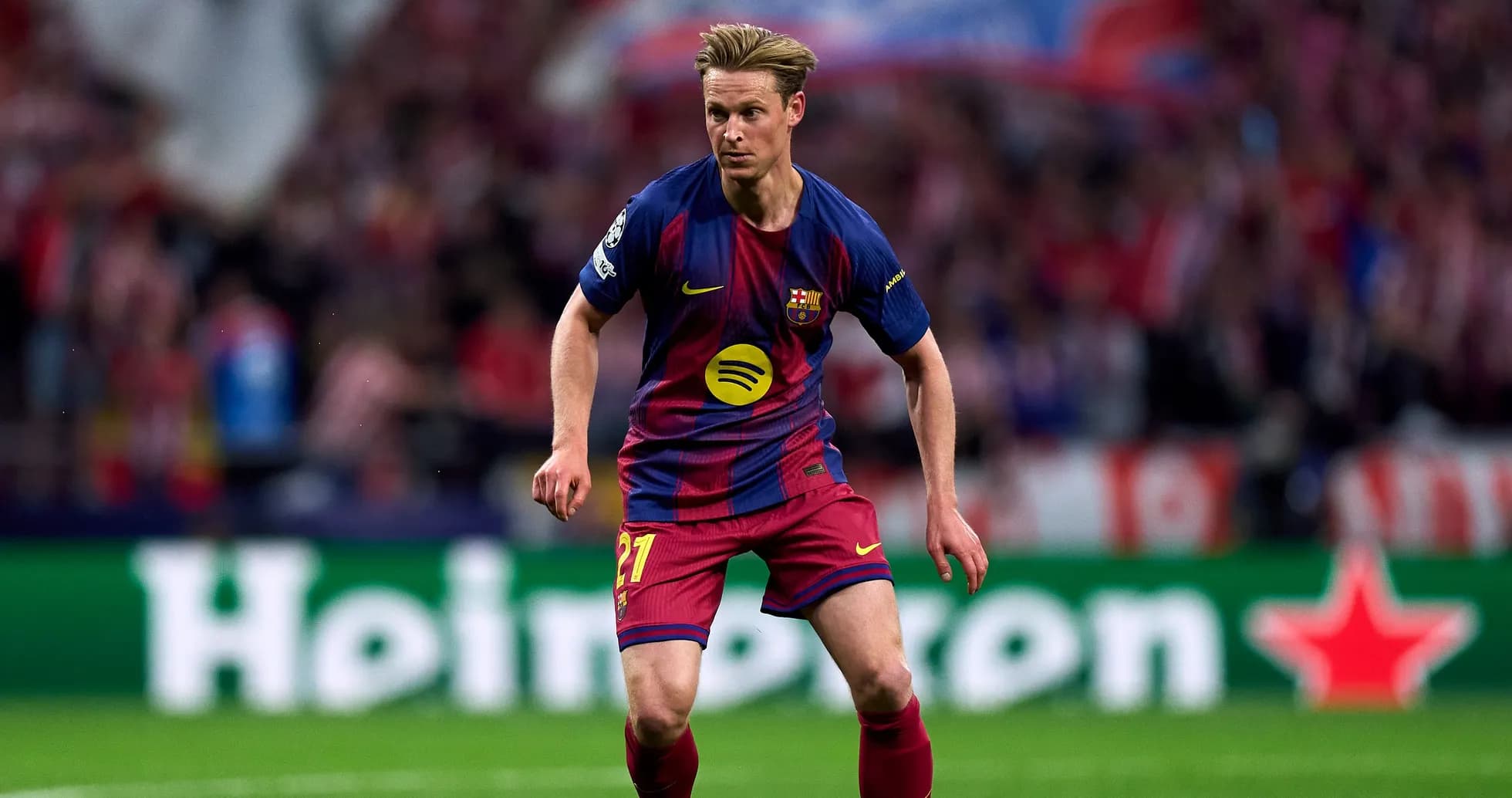
Frenkie de Jong's Injury Recovery and Barcelona's Challenges
Frenkie de Jong’s comeback is turning into a long, uneasy wait for Barcelona.
The 29-year-old Dutch midfielder is still working his way back from the knee injury he picked up at the start of September, and his return is not around the corner. The current outlook inside the club is clear: he is unlikely to be fully fit before October, and that is only if his recovery continues without pain or setbacks.
A Hidden Injury and a Late Diagnosis
According to Spanish outlet Mundo Deportivo, De Jong tore the medial collateral ligament in his right knee during the World Cup. Barcelona made the diagnosis public on 23 July, but the information reaching Hansi Flick’s staff suggests the damage actually occurred around 16 June, during a training session with the Netherlands.
The problem? The Dutch national team doctors initially misread the injury. De Jong was told he could keep playing, so he did. His World Cup ended on 30 June, and instead of reporting straight back to Barcelona for tests, he took a two-week holiday in Ibiza.
By the time he returned, valuable time had been lost. Barcelona did not obtain a clear, accurate diagnosis until 13 July, almost a month after the suspected date of the injury.
Conservative Treatment, Divided Opinions
Once the full extent of the ligament damage became clear, a decision had to be made. The club’s medical staff leaned towards surgery. De Jong did not.
He opted for conservative treatment, choosing rest, therapy and progressive work rather than going under the knife. The doctors disagreed, but Barcelona respected his call. Both sides settled on a plan: monitor his knee closely, adapt the workload to how he feels, and reassess at key checkpoints.
The next major checkpoint is already ringed in red. Club sources say his condition will be reviewed after the upcoming international break, which runs from 21 September until La Liga resumes on 10–11 October.
De Jong wants to use that window as a final push for this conservative route. By 8 October, when his international teammates are due back at the training ground, he hopes to be ready to rejoin full group sessions.
That hope comes with strict conditions. The ligament in his right knee must be pain-free. The joint has to respond to higher-intensity work. And he needs at least a basic level of match rhythm before Flick can even think about throwing him back into competitive action.
A Brutal Run-In Awaits
This is where the sporting reality bites. The calendar waiting on the other side of the break is unforgiving.
Barcelona face a demanding run: Getafe, Galatasaray, Real Betis, Paris Saint-Germain and then Real Madrid in the Clásico on 25 October. These are not fixtures that allow for half-measures or players still searching for their legs.
Every one of those matches will demand peak physical condition, sharpness on the ball and full confidence in every challenge. For a midfielder who relies on agility, changes of direction and constant involvement, any lingering doubt in that right knee is a serious risk.
Hansi Flick will have a decisive say. Even if De Jong feels ready by early October, the coach must judge whether to accelerate his return into a storm of high-stakes games or hold him back until the medical and physical signs are beyond doubt.
Barcelona need Frenkie de Jong. The question is whether they will risk needing him too soon.