Ghana's Narrow Escape Against Panama: Lessons for England Clash
Ghana escaped. Just.
Ranked 73rd in the world and 39 places below Panama, the Central Americans were supposed to be fodder. Instead, they pushed the Black Stars to the brink and exposed every loose thread in Carlos Queiroz’s plan before Caleb Yirenkyi finally dragged Ghana over the line.
The 1-0 win keeps the World Cup campaign on track. It also strips away any illusions before England arrive.
This was a warning.
England next – and no margin for error
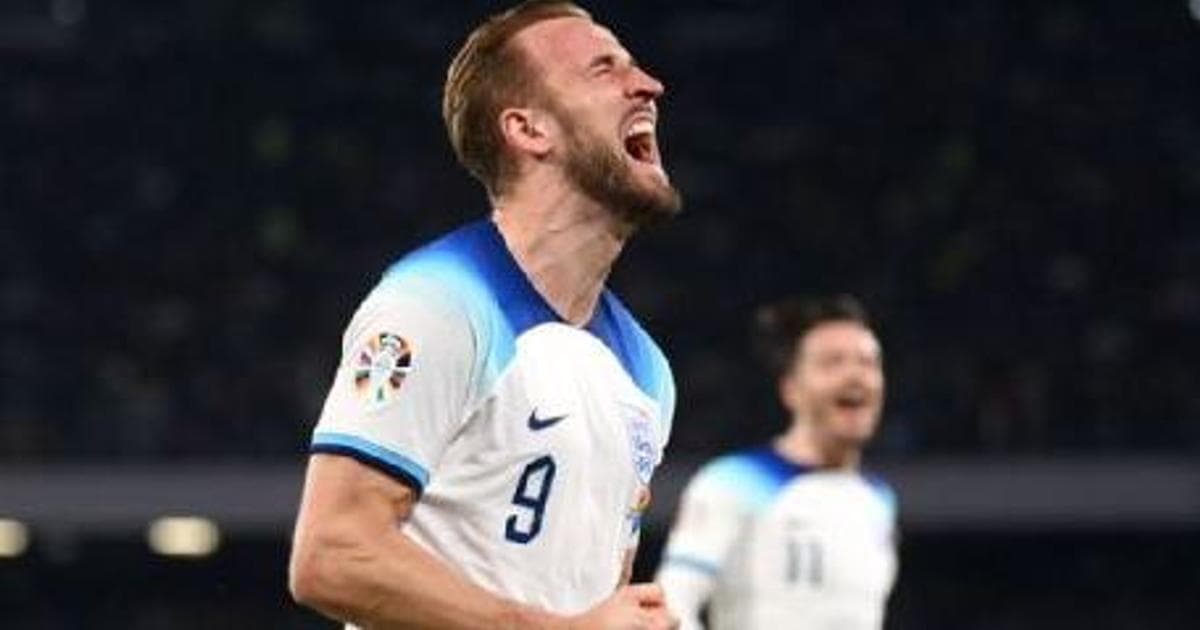
England are not Panama. Thomas Tuchel’s side ripped through Croatia 4-2 in their opener, their midfield purring, their attack ruthless, their set pieces as dangerous as ever. Ghana, who laboured and reacted for long stretches against Panama, cannot afford a repeat.
The two nations have met only once at senior level – a 1-1 friendly at Wembley in 2011. On Tuesday, the pleasantries disappear. This is their first competitive clash, and Queiroz walks into it with big decisions to make and very little time to make them.
Top of the list? Jordan Ayew.
The Jordan Ayew dilemma
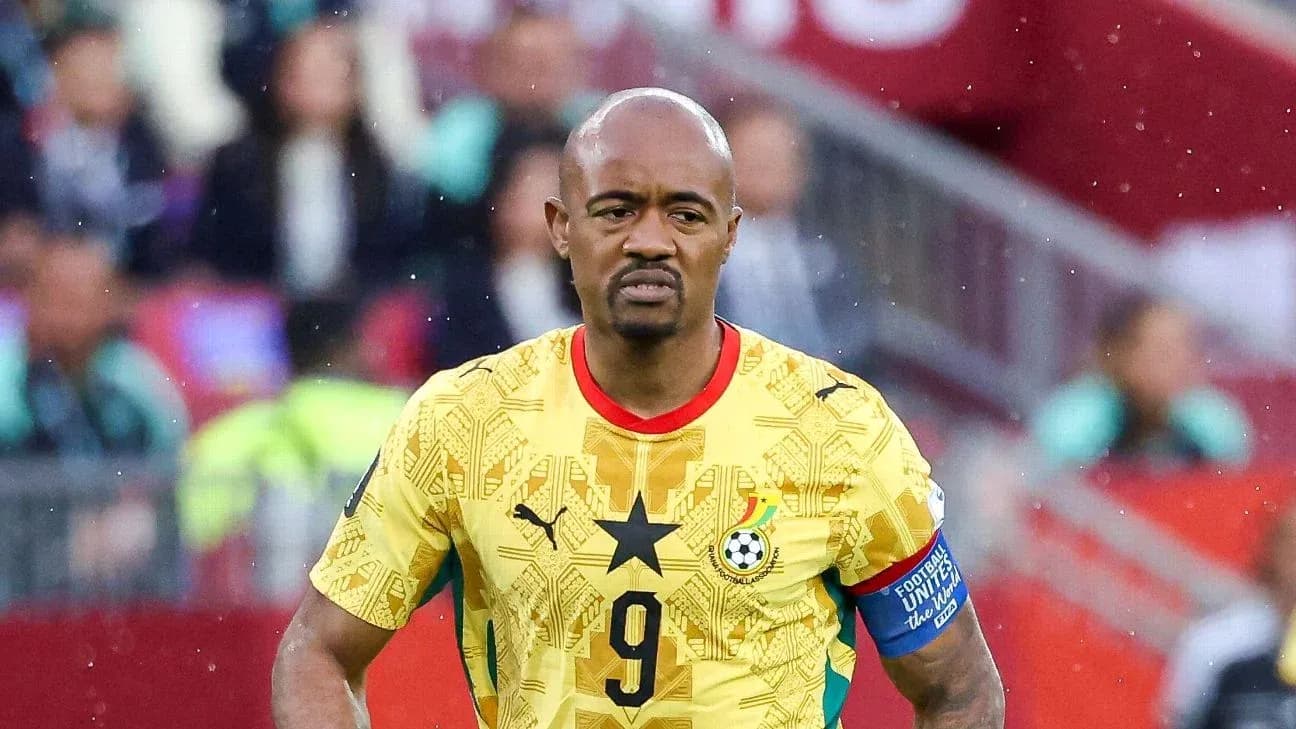
Ayew is the heartbeat of this squad. Captain. Centurion. A veteran of three World Cups. Son of Abedi Pele. His presence carries weight in the dressing room and in the tunnel, and when he led the team out against Panama, he joined an elite group of Ghanaians to have appeared at three tournaments.
On pedigree alone, he starts every game. On form against Panama, he shouldn’t.
Ayew looked off the pace from the first whistle. His lack of speed was glaring, his decision-making uncertain. The most telling moment came when Antoine Semenyo slid him a simple pass with space opening ahead. Semenyo darted into the channel, begging for the return. Ayew hesitated, dribbled into traffic, and lost the ball. Attack over. Momentum gone.
Panama could not punish that. England will.
A static centre forward will be swallowed whole by an England defence that, for all its flaws, rarely allows slow strikers to dictate terms. Brandon Thomas-Asante, who created Yirenkyi’s winner, offers a different profile – quick, aggressive, unafraid to run in behind. He lacks Ayew’s experience, but he brings the chaos England hate.
Queiroz cannot simply discard his captain. Nor can he indulge him as a traditional No. 9. The compromise lies between the lines.
When Ayew dropped deeper against Panama, Ghana suddenly looked more coherent. He linked play, knitted midfield to attack, and found pockets where his brain mattered more than his legs. From that advanced midfield role, he can see the game, connect runners, and arrive late into space instead of trying to win footraces he no longer can.
Picture a front line with Ayew just behind Semenyo and one of Thomas-Asante or Abdul Fatawu. Pace and power on the flanks, a focal point through the middle, and Ayew orchestrating in the half-spaces. That setup attacks England where they are most vulnerable without exposing Ayew where he is weakest.
His experience remains priceless. It just needs the right frame.
Partey’s return is non-negotiable
If Ayew is the emotional core, Thomas Partey is the metronome Ghana missed against Panama.
Elisha Owusu struggled badly, often overrun as Panama’s midfielders moved the ball around him. To his credit, the team’s first-half shape left him exposed, but the gap between what he offered and what will be needed against England is stark.
Partey must walk straight back into the XI.
Alongside the impressive Yirenkyi, he gives Ghana something they never had in that opening hour: control. England’s engine room, led by Jude Bellingham and Declan Rice, dominated Croatia. They dictated tempo, broke lines, and arrived in the box with menace. Leave them unchecked and the game ends quickly.
With Partey and Yirenkyi sitting together, Ghana can clog those central lanes, slow England’s surges, and drag Rice into more defensive work than he would like. That, in turn, frees Ayew to operate higher up, linking midfield to the forwards instead of dropping ever deeper just to help Ghana breathe.
Without Partey, Ghana chase shadows. With him, they can at least choose when and where to fight.
Hit England where they hurt
England scored four against Croatia but conceded two and flirted with more. The soft underbelly wasn’t in the middle. It was out wide.
Reece James switched off for one Croatian goal. On the other side, Nico O’Reilly thrilled going forward but looked raw defensively, “a work in progress” without the ball. Whenever Croatia attacked quickly down the flanks, England’s back line scrambled.
That is Ghana’s invitation.
Semenyo thrives on direct running and contact. Give him space to turn and he will drive straight at full-backs, forcing them into one-on-one duels they don’t always relish. Thomas-Asante, with his speed and physical edge, can drag defenders into uncomfortable channels. Fatawu and Ernest Nuamah bring trickery and width, stretching the pitch and asking constant questions.
The key is speed of transition. Croatia looked most dangerous when they attacked before England could settle into their defensive block. Ghana have the legs and the power to do the same. Win it, turn, run. Don’t wait. Don’t recycle for the sake of it. Make England defend facing their own goal.
If Ghana allow England to reset, the door closes. If they go straight for the hinges, it might just swing open.
No more slow starts
Against Panama, Ghana played as if the game was 120 minutes long. Cautious. Passive. Surviving.
For an hour, Panama dictated possession, created better chances, and forced the Black Stars into a reactive shell. Only when Queiroz pushed Semenyo centrally and cranked up the press did the match tilt. Substitutions added bite, the tempo rose, and suddenly Panama were the ones scrambling.
That luxury will not exist against Tuchel’s England.
Croatia showed what happens when you press England high and aggressively: mistakes appear, gaps open, and chances come. They scored twice in that first half and repeatedly ripped through England’s shape before the break.
England also scored twice in that same spell. That is the danger.
If Ghana sit back as they did against Panama, Harry Kane and his supporting cast will not wait politely for adjustments. They will punish any hesitation and could kill the contest before Queiroz has time to reach for his whiteboard.
The Black Stars have to start at the level they finished against Panama. High tempo. Relentless pressing. Turn the night into a physical and mental grind, a war of attrition where every duel matters and every second touch is contested.
Make England uncomfortable. Or be made irrelevant.
Survive the dead ball storm
Open play is only half the battle. England remain a set-piece machine.
On the tournament’s opening matchday, they produced the highest non-penalty expected goals and the most shots on target from set pieces. Kane’s second against Croatia came from a Rice corner and a free header. That cannot happen on Tuesday.
There is even a question in goal. Lawrence Ati-Zigi’s fitness remains uncertain after he was forced off at half-time against Panama following a heavy collision. If he cannot start and Benjamin Asare steps in, the command of the box and the organisation at corners and free kicks becomes even more critical.
Whoever plays, the basics are non-negotiable: no lost markers, no ball-watching, no free runs. Ghana must also be smarter in how they defend around the box. Cheap fouls in central areas are invitations England do not need.
This is where Partey’s positional sense matters again. Cut off the lanes, intercept early, and avoid desperate last-ditch tackles that turn into free kicks 25 yards out.
And if the worst happens? If a clumsy challenge brings a penalty? Then the goalkeepers must be ready for Kane’s tricks. His run-up is theatre with purpose, designed to read and manipulate the keeper. Asare and Ati-Zigi have to do their homework in return.
Queiroz has already framed the challenge. After Panama, he spoke of suffering, of the price of a result at this level and his players’ willingness to pay it.
England will test every word of that. The question now is simple: can Ghana turn the lessons of a narrow escape into the performance of their tournament?