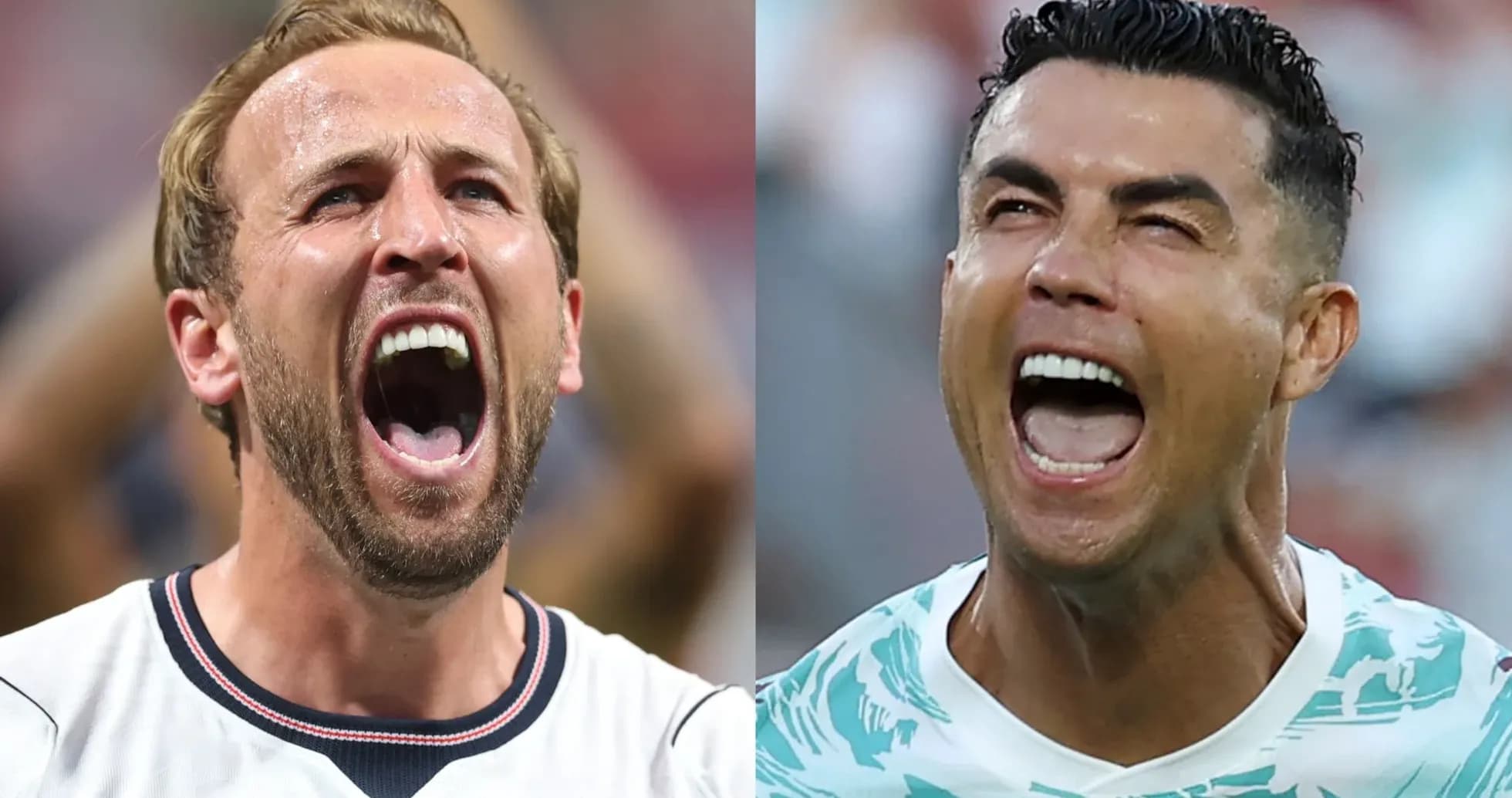
Harry Kane: England's Captain Facing Career Crossroads
Harry Kane has spent a decade bending the England narrative to his will. Goals, records, responsibility – all absorbed, all carried. By the time Euro 2028 kicks off on home soil, the expectation is that he will still be at the heart of it, the captain leading England into another defining summer.
By then, he should be even deeper into the record books. He is already England’s all-time leading scorer, with 85 goals. He is also closing in on Peter Shilton’s appearance landmark, just four caps shy of the goalkeeper’s 125. Longevity has become part of Kane’s story as much as his finishing.
At club level, Thomas Tuchel continues to lean heavily on him at Bayern Munich. There are not many genuine No.9 alternatives at that level, and Kane remains the reference point for both club and country. But the calendar is unforgiving. He recently turned 33. The miles are starting to show on the clock, even if not yet in the legs.
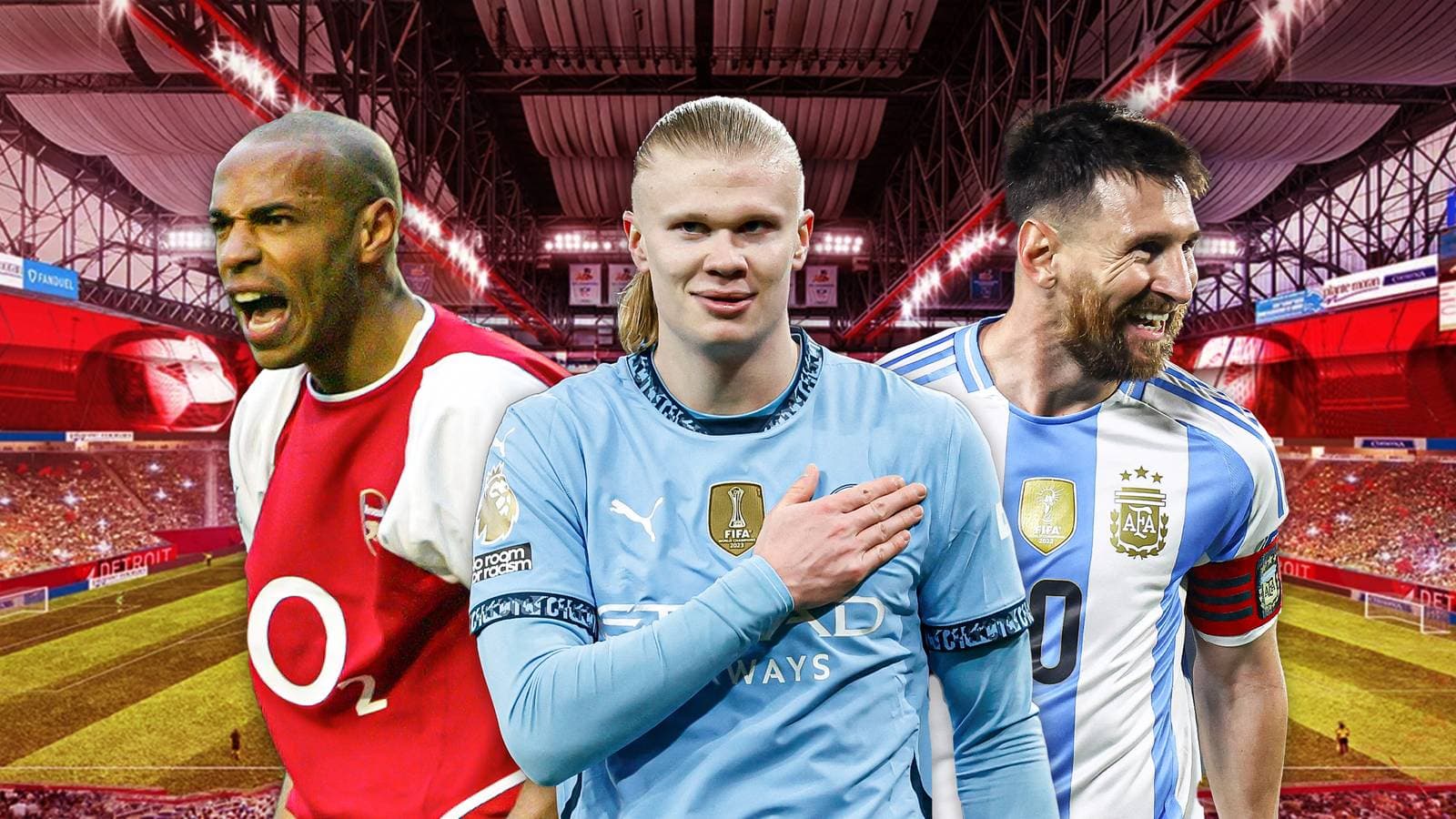
The modern comparison is obvious. Cristiano Ronaldo played at a World Cup at 41, Lionel Messi at 39. They stretched careers at the very top beyond what used to be considered normal. They are, though, the outliers. The question now hangs over Kane: can he stretch his peak in the same way?
Chris Waddle is not convinced the World Cup cycle will be as kind. Speaking to GOAL in association with BetBrain, the former England winger laid out the challenge in blunt terms. For him, the key is not mystique or aura. It is fitness.
“Fitness is a great thing to have. Some players develop, get better as they get older. Some find it easier. Not easier, but easy,” Waddle said, pointing towards the way certain footballers adapt as their bodies change.
The next two years feel crucial. Euro 2028 will arrive as a natural checkpoint. “We'll see how his legs are in two years' time, at the Euros even. People will be questioning that,” Waddle added. The scrutiny will not only be on his finishing, but on his movement, his sharpness, his ability to press and link play against the very best.
Kane does have built-in advantages. “The thing with Harry's advantage is he's a fit lad, we know that. He doesn't rely on pace. He's got a great football brain,” Waddle said. That intelligence has already allowed Kane to drop deeper, dictate play, and influence games without sprinting in behind every time. His game has never been solely about raw speed.
Still, time catches up with everyone. Waddle has seen it before, and he did not hesitate to use Ronaldo as a warning. “Sometimes you see players in tournaments and you think, ‘His legs are going there’. I'm looking at Ronaldo as an example. I watched Portugal play in the World Cup and his legs were gone in my eyes for that level of football.”
Messi, by contrast, still flickered. “Lionel Messi still had bits of brilliance until the rest of his team-mates decided to try and kick everybody out of the country,” Waddle said, a reminder that even fading greats can still decide matches in flashes, if the environment allows.
That, in Waddle’s view, is where the next phase of Kane’s career will be decided: not only in how he ages, but where he chooses to play. “So I think there's a time and a place where you've actually got to think, ‘Yeah, he can still play, and he can still play like Messi does in Miami, a good level for him’. You know, Ronaldo in Saudi can still handle it.”
Those leagues allow icons to extend their careers at a slightly lower tempo. The Bundesliga does not. “And Harry, eventually he'll come to a time where you think the Bundesliga is too quick. Where do you go from there?” Waddle asked. It is a question that will grow louder if the pace of the German game starts to expose any decline.
The next World Cup looms over all of this. Another four-year cycle, another physical and mental demand layered on top of an already heavy career. Waddle did not dress it up. “The next World Cup, it's a big ask for him, I think, to play in that tournament,” he said.
That does not mean Kane will not still be playing. It is about level. “I think some of these players can think, ‘Yeah, I'm still playing football, but that level's out of me now, and I've enjoyed it’,” Waddle argued. The danger, in his eyes, is that elite players cling on to the very top stage for too long.
“I think some of these players try and play too long and it doesn't look great on them,” he said. It is a harsh verdict, but one that echoes through the careers of countless greats who stayed one tournament too many.
Waddle does not expect Kane to fall into that trap. “I'm sure Harry will know when the time's right to say, ‘No, I can't play for England anymore’.” For now, England and Bayern still lean on him, still build around him, still trust his instincts in front of goal. The numbers keep climbing, the records keep falling.
The real drama lies ahead. How long can he keep doing this at the highest level – and where will he choose to draw the line?