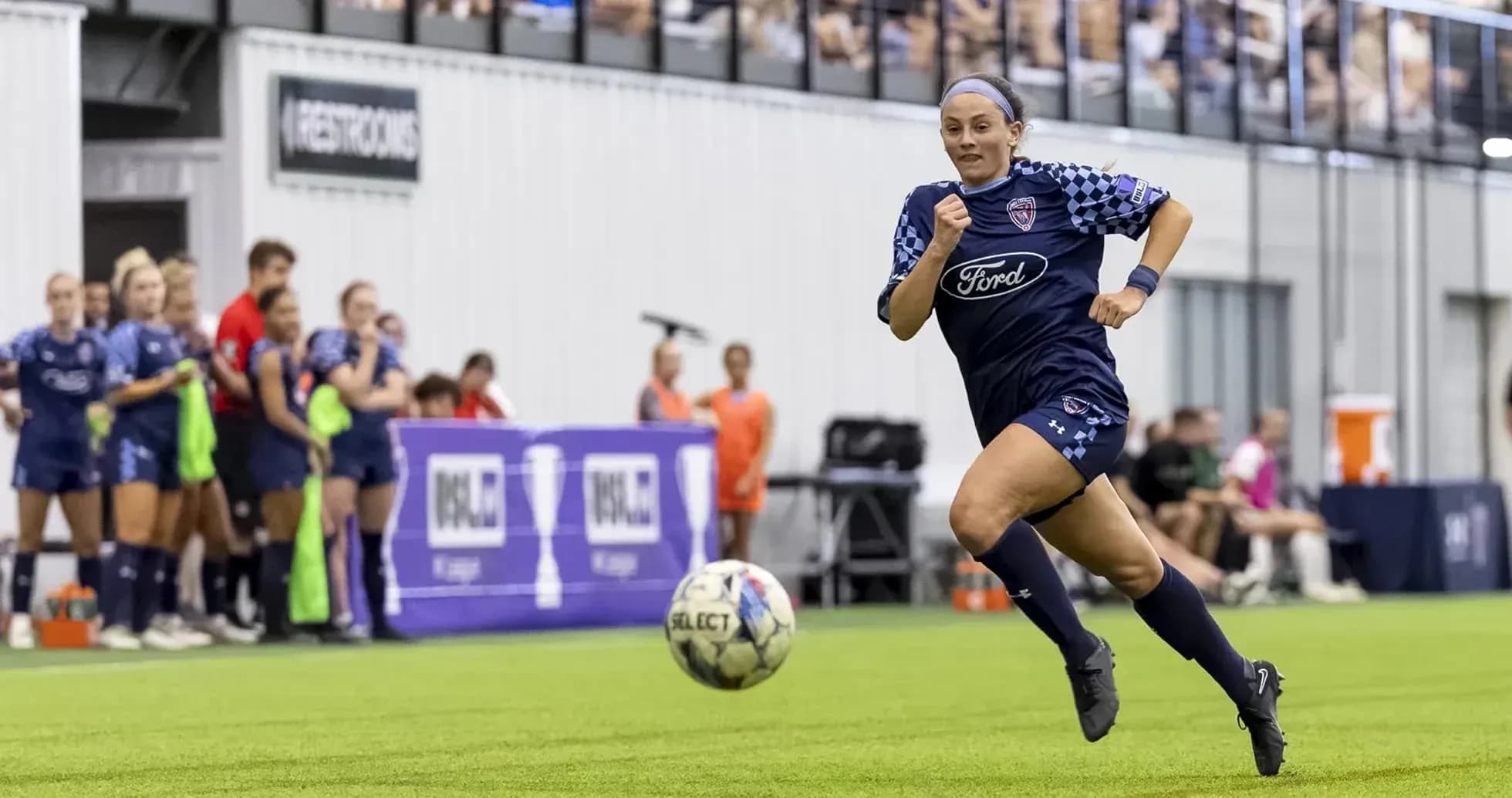
Indy Eleven Edges Lexington in USL League One Cup Penalty Shootout
Toyota Stadium under the lights, a group-stage tie in the USL League One Cup that refused to be decided in 90 minutes. Lexington and Indy Eleven went the distance, 120 minutes and then penalties, with Indy edging it 7–6 from the spot after a 0–0 stalemate. Following this result, two sides with attacking habits and contrasting defensive profiles revealed something different about themselves: a capacity to suffer, to bend their usual identities, and to let nerve rather than structure settle the argument.
I. The Big Picture: Identities Colliding
Heading into this game, Lexington’s seasonal DNA was clear. Across the campaign they had played 3 fixtures in total, winning 2 and losing 1, with no draws. They were used to open games: in total this campaign they averaged 2.0 goals scored and 1.3 conceded per match, with 6 goals for and 4 against overall. At home, they had been both prolific and vulnerable, scoring 4 and conceding 3, an average of 2.0 for and 1.5 against at Toyota Stadium. Clean sheets were not part of their story; they had yet to record one, and they had failed to score only once in total.
Indy Eleven arrived with a more balanced, almost tournament-hardened profile. Across 4 fixtures in total they had 3 wins and 1 loss, with 7 goals scored and 4 conceded overall. On their travels they were quietly efficient: away they had scored 4 and conceded 2, averaging 2.0 goals for and 1.0 against. Clean sheets were part of their armoury, with 2 in total, split evenly between home and away.
The group standings framed the stakes. In Group 4, Lexington were ranked 3rd with 5 points and a goal difference of 4 (8 scored, 4 conceded in all group matches). Indy sat 4th, also on 5 points but with a goal difference of 3 (8 scored, 5 conceded). Both sides had attacked their way into contention; both now had to navigate a knockout-style penalty finish to keep their Cup narrative alive.
II. Tactical Voids and Disciplinary Undercurrents
There were no listed absentees, so the tactical voids were not about missing personnel but about what each coach chose to suppress from his team’s natural game.
Masaki Hemmi’s Lexington, used to chaotic scorelines, had to find a more controlled defensive posture. Their season card profile hints at a team that lives on the edge across all phases: yellow cards are spread, but there is a clear late-game surge, with 22.22% of their cautions coming between 31–45 minutes and another 22.22% between 46–60 and 76–90. That pattern suggests a side that ramps up aggression as halves close, often defending transition moments with tactical fouls.
Indy’s disciplinary pattern is similar in its spread but slightly more measured. They also show a strong presence of yellows in the 16–30 and 31–45 ranges (22.22% each), then again between 61–75 (22.22%). Sean McAuley’s team can be combative, but their two clean sheets and total goals-against average of 1.0 imply that those fouls are more often the product of a compact, organised block than of structural chaos.
In a 120-minute contest that ended goalless, those undercurrents matter: both sides know how to use a foul to reset, and both are accustomed to playing on disciplinary tightropes without tipping into red cards, which remained at zero across all time ranges for each team.
III. Key Matchups: Hunter vs Shield, Engine Room vs Screen
With no top scorers data available, the “hunter vs shield” lens shifts from individuals to collective units.
For Lexington, the attacking “hunter” is a system rather than a single finisher. Across the season they had produced 6 goals in 3 matches, with their biggest home win a 4–2 and their best away result a 1–2. The front line here of M. Epps, B. P. Rodrigues and Nick Firmino, supported by M. Adedokun and A. Molloy, embodies that multi-source threat. Epps and Rodrigues can stretch the pitch, while Firmino’s presence between the lines is central to turning possession into final-third entries.
Indy’s “shield” is a compact spine anchored by R. Charles-Cook in goal and a back unit including L. Neidlinger, M. Rasheed, P. Craig and H. Barry. Heading into this match, on their travels they had conceded just 2 goals in 2 away fixtures, averaging 1.0 against. Their biggest away win, 2–3, shows they can absorb pressure and still punch back.
The engine room battle was equally decisive. Lexington’s midfield trio of B. Ferri, A. Molloy and Nick Firmino had to dictate tempo and protect a back line that, in total this campaign, had yet to keep a clean sheet. Indy responded with N. Okello and B. Rendon, flanked by J. O'Brien and K. Williams as advanced connectors. Okello’s role as an enforcer-screen was crucial: disrupting Firmino’s ability to receive on the half-turn and feed the wide runners.
Over 120 minutes, the fact that neither side broke through suggests Indy’s shield slightly won the day. Lexington, whose season average was 2.0 goals scored in total, were forced into their first extended stalemate, while Indy preserved the defensive standards that had already delivered 2 clean sheets across home and away.
IV. Penalty Truth and Statistical Prognosis
From the spot, the narrative tightened around season-long trends. Lexington had taken 8 penalties in total this campaign, scoring 6 and missing 2, a 75.00% conversion rate that already carried the shadow of risk. Indy had also taken 8 in total but scored 7 and missed just 1, an 87.50% success rate that hinted at greater composure.
In a shootout that finished 7–6 to Indy, those margins materialised. The team with the stronger overall penalty profile held its nerve. For Lexington, the season-long reality of 25.00% of penalties missed was always going to haunt a high-stress shootout; for Indy, the confidence of previous conversions translated into the decisive edge.
From a broader tactical and statistical standpoint, this tie underlines a clear prognosis for both squads going forward:
- Lexington have shown they can defend for long stretches when forced, but their seasonal averages (2.0 goals for, 1.3 against in total, no clean sheets) still paint them as a team whose best path lies in embracing attacking chaos rather than living off 0–0s and penalties. Their penalty record demands attention on the training ground if they are to survive future Cup nights decided from 12 yards.
- Indy Eleven can lean into a more pragmatic Cup identity. With 3 wins in 4 total fixtures, a goals-against average of 1.0 overall, 2 clean sheets, and a strong penalty profile, they are built for knockout tension. Their away numbers—2.0 goals scored and 1.0 conceded on their travels—suggest they can manage games, strike when needed, and trust their structure and spot-kick specialists if it goes the distance.
Following this result, the story of Toyota Stadium is not just of a penalty lottery. It is of two squads revealing who they really are when the margins shrink: Lexington, the expansive side still learning to close games without the ball; Indy Eleven, the composed travellers whose defensive solidity and penalty precision make them a quietly dangerous Cup side.