Inter's Tactical Dominance Over Udinese in Serie A Clash
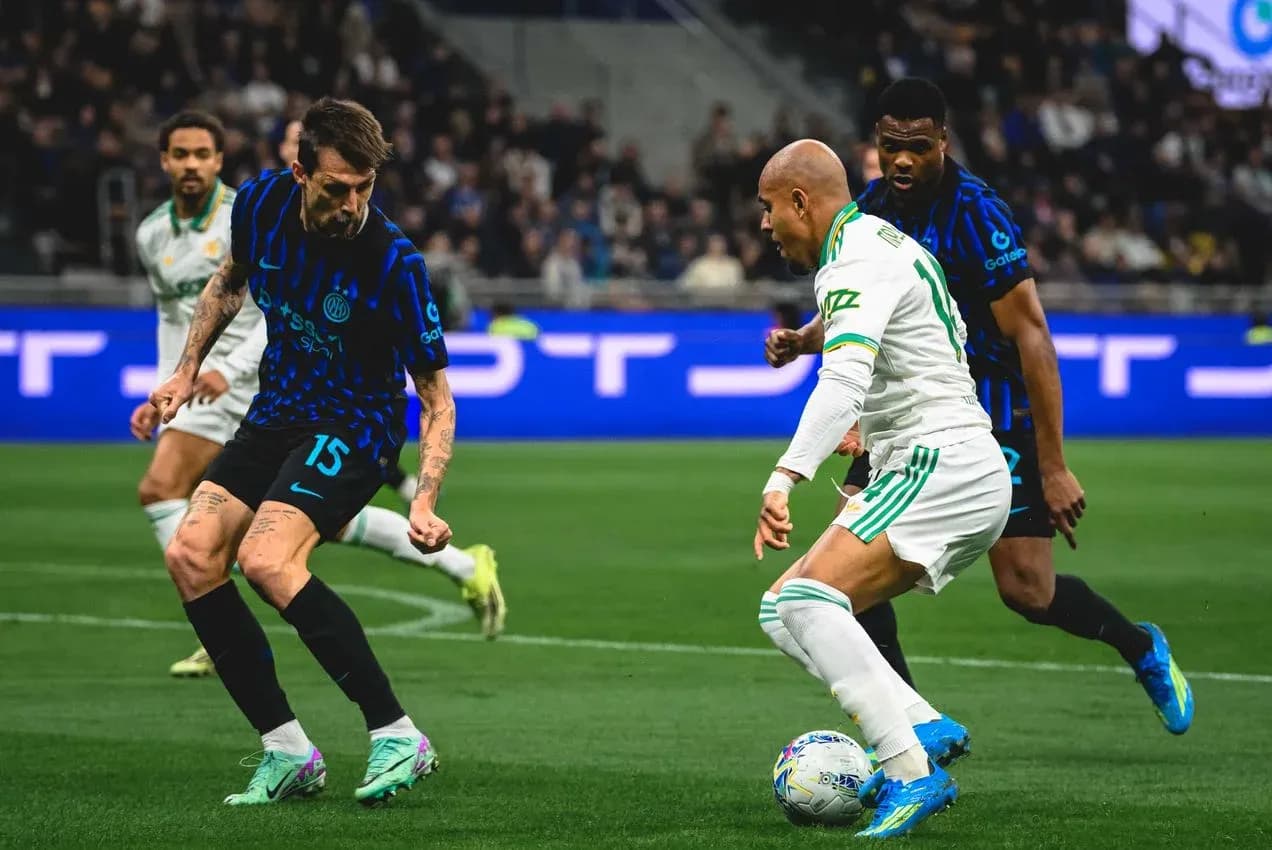
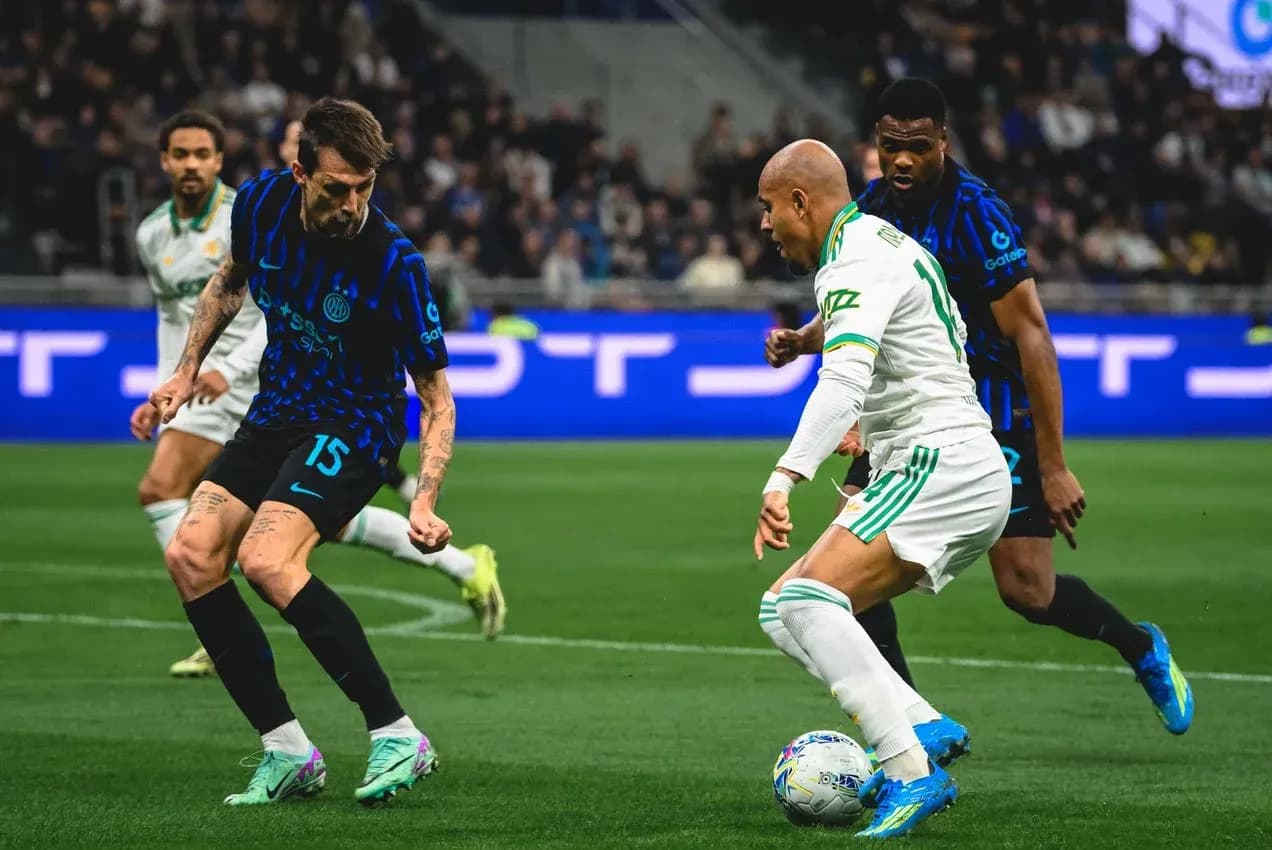
Under the San Siro lights, this Regular Season - 4 clash in Serie A unfolded like a tactical fever dream. Inter, perfect through four league matches, met an Udinese side still searching for balance. By full time, the 5–3 scoreline told one story; the structures, absences and tendencies of both squads told another.
I. The Big Picture – Structures and Seasonal DNA
Inter arrived as a ruthless machine. Following this result, they sit on 12 points from 4 matches, with a total goal difference of +7 (13 scored, 6 conceded). At home they have been devastating: 3 wins from 3, 12 goals scored and 6 conceded, averaging 4.0 goals for and 2.0 against at San Siro. Cristian Chivu has leaned fully into a 3-5-2 that prioritises verticality and overloads between the lines.
Udinese, 13th with 4 points and a total goal difference of -2 (8 scored, 10 conceded), have a more chaotic profile. On their travels, they are simultaneously dangerous and fragile: 1 win and 1 defeat, 6 goals scored and 7 conceded, an away average of 3.0 goals for and 3.5 against. Kosta Runjaic’s 3-4-2-1 is designed to spring forward quickly, but the numbers underline how exposed it can become.
On the night, the lineups mirrored those identities. Inter’s back three of M. Akanji, J. Stones and A. Bastoni sat behind a five-man midfield where A. Diouf and Carlos Augusto provided width and thrust, while N. Barella, P. Zielinski and H. Mkhitaryan formed a technically rich central triangle. Up front, M. Thuram partnered the rising F. Esposito.
Udinese mirrored the back three but with different intentions. M. Okoye stood behind J. Abankwah, C. Kabasele and E. Ebosse, while the wing-backs M. Vojvoda and H. Kamara flanked a central pair of J. Karlstrom and L. Miller. Ahead of them, J. Ekkelenkamp and U. Gomez floated behind lone striker K. Davis.
The 2–2 half-time score and 5–3 full-time result fit the seasonal data almost too neatly: Inter’s home attack overpowering, Udinese’s away games open and wild.
II. Tactical Voids – Absences and Discipline
Both managers had to navigate significant absences that reshaped their midfields.
For Inter, H. Calhanoglu’s muscle injury removed their natural metronome and long-range threat. In his absence, the creative burden shifted onto Zielinski and Mkhitaryan, while Diouf’s role as a conduit between defence and attack became even more central. D. Spence’s injury limited Chivu’s options for a more conservative wide setup; instead, he doubled down on Carlos Augusto’s attacking instincts on the left.
Udinese’s list of absentees was longer and more structurally damaging. J. Piotrowski (heart problems), O. Solet, N. Zaniolo, A. Zanoli, J. Arizala and M. Palma were all unavailable. Piotrowski’s absence, in particular, removed a combative midfielder who, in the league, has already shown bite with 2 yellow cards and strong defensive metrics. Without him, Karlstrom and Miller had to cover larger defensive zones, leaving more room for Inter’s interior midfielders to receive and turn.
The disciplinary profiles of the teams also framed the risk landscape. Inter’s season card data shows yellow cards spread across the match, with a slight tilt after the break: 40.00% of their yellows come between 46–60 minutes, hinting at a side that can become aggressive as they reset intensity in the second half. Udinese’s yellows are more evenly distributed, with 22.22% in both the 16–30 and 31–45 ranges, and a persistent trickle late on (11.11% in each of the 61–75, 76–90 and 91–105 windows). This is a team that lives on the edge across all phases, and in a high-tempo game at San Siro that constant edge risked turning into chaos.
III. Key Matchups – Hunter vs Shield, Engine Room Battles
The headline duel was always going to be Inter’s front line against Udinese’s shaky away defence. Inter’s overall average of 3.3 goals scored per match, combined with Udinese conceding an overall 2.5 per game and 3.5 on their travels, set the stage for a siege.
F. Esposito, already on 2 league goals and 1 assist, came into this fixture as a top-20 attacker in Serie A by rating. His 9 shots and 5 on target across the season show a forward who consistently finds good positions. M. Thuram, also on 2 goals and 1 assist with a 7.57 rating, adds power and intelligent movement. Together, they targeted the channels around Kabasele and Ebosse, forcing Udinese’s wide midfielders to track back and stretching the 3-4-2-1 until it resembled a back five under constant duress.
On the other side, Udinese’s attacking trident carried genuine threat. J. Ekkelenkamp’s 2 goals, 1 assist and 7.28 rating, plus his 9 dribble attempts, mark him as a line-breaking runner and creator. H. Kamara, with 2 goals, 1 assist and 12 tackles, is a rare two-way weapon from the flank, and K. Davis, with 2 assists and 5 key passes in the league, offers a focal point who can both finish and lay off.
Their task was to exploit the one soft underbelly in Inter’s profile: a home defence that, despite dominance, still concedes an average of 2.0 goals per game at San Siro. With Inter’s wing-backs pushing high, Udinese looked to launch Kamara and Gomez into the vacated spaces behind Carlos Augusto and Diouf, dragging Akanji and Bastoni into wide duels they would rather avoid.
In midfield, the “engine room” clash pitted Inter’s possession artists against Udinese’s workhorses. Diouf, with 3 assists, 13 key passes and 91% passing accuracy, is one of the league’s most efficient distributors. His ability to receive under pressure and immediately find vertical lanes into Esposito or Thuram is the pivot around which Inter’s 3-5-2 spins. Udinese countered with Karlstrom and Miller, but without Piotrowski’s extra bite, they were often outnumbered and outplayed between the lines.
IV. Statistical Prognosis – Why 5–3 Made Sense
Even without explicit xG numbers, the statistical backdrop makes a high-scoring Inter win feel almost inevitable.
Heading into this game, Inter had:
- Overall: 4 wins from 4, 13 goals for and 6 against, total averages of 3.3 scored and 1.5 conceded.
- At home: 3 wins from 3, 12 goals for and 6 against, averaging 4.0 scored and 2.0 conceded, and no clean sheets.
Udinese, by contrast, brought:
- Overall: 1 win, 1 draw, 2 defeats, 8 goals for and 10 against, averaging 2.0 scored and 2.5 conceded.
- On their travels: 1 win and 1 defeat, 6 goals for and 7 against, with that 5–3 away loss already on their ledger as the worst defensive outing.
Overlay those profiles and a pattern emerges: Inter’s relentless home attack against a defence that leaks chances, and an Udinese front line capable of punching back but not of controlling the game. The absence of penalties for both sides in the league so far (no attempts, no misses) suggests that most of their expected goals come from open play rather than set-piece variance; this is repeatable, systemic production rather than random spikes.
Following this result, Inter’s perfect start and +7 goal difference reinforce the sense of a side whose attacking structure is already fully formed, even with key injuries. Udinese, with their total -2 goal difference and defensive numbers, remain the kind of opponent that can turn any match into a shootout but rarely on their own terms.
In the end, 5–3 at San Siro was not an anomaly. It was the logical intersection of Inter’s attacking peak and Udinese’s defensive frailty, played out over 90 frantic minutes under the Milanese night.