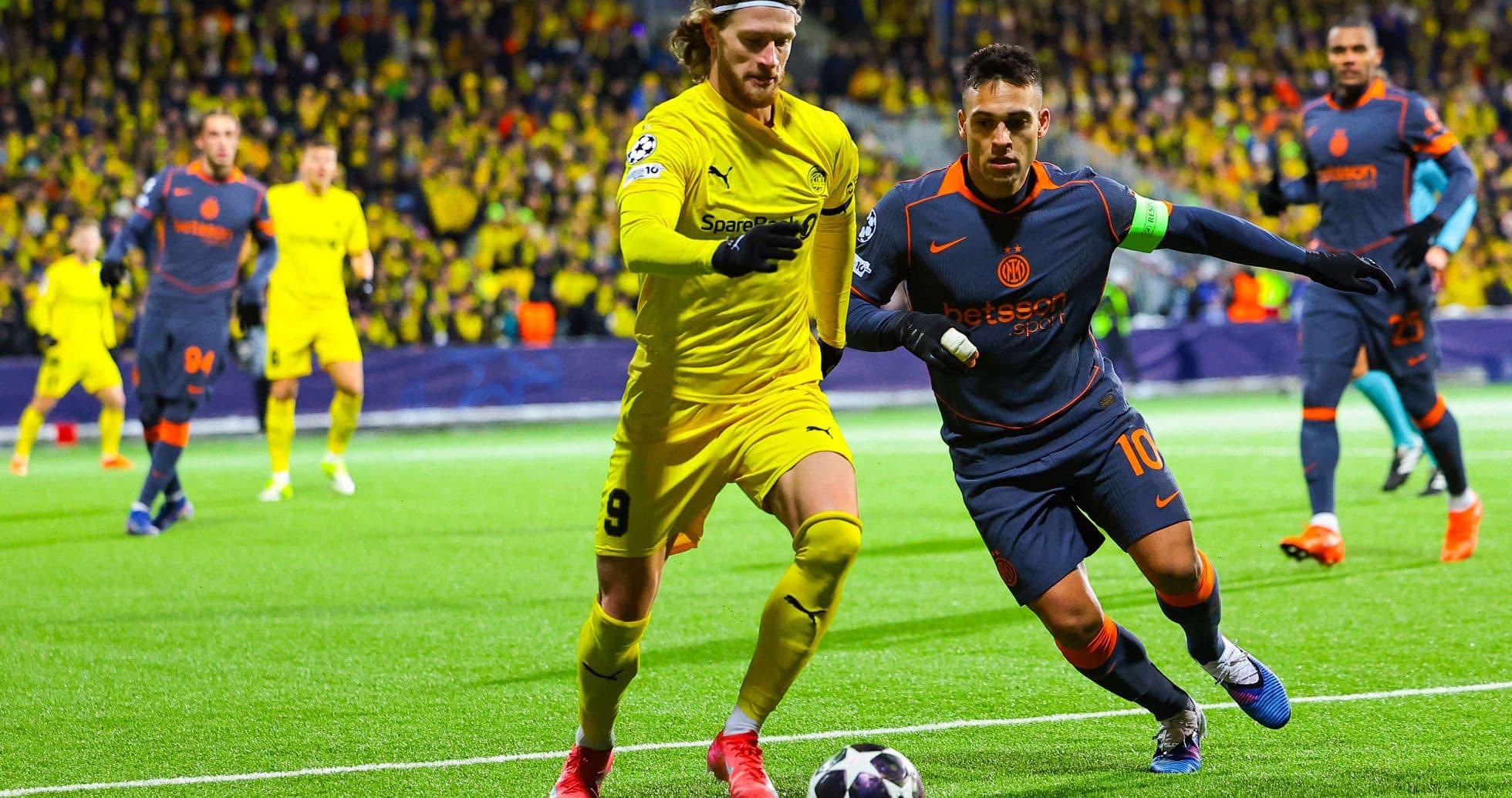
Inter vs Bodo/Glimt: Squad Analysis and Key Matchups
Inter host Bodo/Glimt in Milan in the UEFA Champions League Round of 32 on 24 February 2026 (20:00 UTC). Inter arrive 10th in the overall Champions League table with 15 points and a +8 goal difference, while Bodo/Glimt sit 23rd with 9 points and a -1 goal difference. Both sides have earned “Promotion – Champions League (Play Offs: 1/16-finals)” status.
Squad Analysis: Inter
Inter’s Champions League campaign has been defined by efficiency. They have scored 16 goals in 9 matches, averaging 1.8 goals per game, while conceding only 10 (1.1 per match). Their defensive solidity is underlined by 4 clean sheets, with 3 of those coming away from home, suggesting a tactically disciplined unit.
At San Siro, Inter have been more vulnerable: 6 goals scored and 5 conceded across 4 home fixtures show a narrow +1 home goal difference. Their form line of “WWWWLLLWL” reveals streaky tendencies – a 4‑match winning run followed by 3 straight defeats before a recovery win – indicating high ceilings but also patches of instability.
Tactically, Inter are consistent: they have used a 3‑5‑2 shape in all 9 recorded games, pointing to a back three protected by a dense midfield. However, they will be without L. Martinez due to a calf injury. Given his status as a central attacker, his absence removes a key focal point and goal outlet, increasing pressure on the remaining forwards to maintain the 1.8 goals‑per‑game standard. Discipline-wise, Inter spread their yellow cards across the match, with the most bookings between 46–60 minutes (4 yellows, 26.67%), which could matter in managing transitions after half-time.
Squad Analysis: Bodo/Glimt
Bodo/Glimt enter as a high‑variance, attack‑minded side. They have scored 23 goals in 11 Champions League fixtures, averaging 2.1 per game, but have conceded 18 (1.6 per match). Away from home they are more exposed: 8 goals scored and 10 conceded in 5 away games, an average of 2.0 goals against per away match and no away clean sheets (0 in 5).
Their overall form “WLDDLLLDWWW” shows a recent upswing, with 3 consecutive wins following a run of 1 win in 7. At home they average 2.5 goals (15 in 6), but the 1.6 goals conceded per match overall and only 1 clean sheet underline a fragile back line.
Individually, their attacking threat is clear. Jens Petter Hauge has 5 goals and 3 assists in 10 appearances, with 7 shots on target from 10 attempts and a strong 7.61 rating. He also supplies creativity with 27 key passes and 56 dribble attempts (29 successful). Kasper Høgh matches him with 5 goals and 3 assists in 10 games, backed by 27 shots and 14 on target, reflecting a high‑volume finisher. In midfield, Patrick Berg provides balance: 590 passes with 19 key passes, 28 tackles and 14 interceptions, but also 3 yellow cards in 10 matches, indicating a combative edge. Defensively, Jostein Gundersen’s 1 red card in 6 appearances highlights potential disciplinary volatility.
Key Matchups & Tactical Trends
- Bodo/Glimt’s front line vs Inter’s defense
With no clear Inter individual scorer data, this battle tilts to Bodo/Glimt’s known weapons. Hauge and Høgh combine for 10 goals and 6 assists, directly contributing to 16 of the team’s 23 Champions League goals (69.6%). They face an Inter defense conceding just 1.1 goals per game and boasting 4 clean sheets. Inter’s 3‑5‑2 and strong away defensive record suggest structure, but at home they concede 1.3 per match (5 in 4), giving Bodo/Glimt’s 2.1‑goals‑per‑game attack a genuine opening. - Team attack vs team defense – volume vs control
Inter’s 16 goals in 9 games (1.8 per match) are slightly below Bodo/Glimt’s 2.1, but Inter’s concession rate of 1.1 is significantly better than Bodo/Glimt’s 1.6. Away, Bodo/Glimt allow 2.0 goals per game (10 in 5), while Inter at home score 1.5 per match. Statistically, Inter’s defense vs Bodo/Glimt’s attack is a clash of control against volume: Inter keep opponents to 10 total goals, Bodo/Glimt have already shipped 18. If the match opens up, Bodo/Glimt’s 5‑0 home “biggest win” and 3‑1 away “biggest loss” show how extreme their results can be. - Creative force vs disciplinary risk
Hauge, with 27 key passes and 3 assists, is Bodo/Glimt’s primary creator between the lines. Inter’s team card profile shows 15 yellow cards distributed with peaks in the 31–60 minute window (7 yellows, 46.67% across 31–60), suggesting increasing aggression as halves progress. On the other side, Berg’s 3 yellows and Gundersen’s 1 red card feed into Bodo/Glimt’s card pattern: 12 yellow cards overall, with 4 (33.33%) between 61–75 minutes and a red between 76–90. As Inter push in the second half, Bodo/Glimt’s tendency to collect late cards could invite dangerous free‑kicks and numerical disadvantages.
Discipline Check
Inter have no red cards in their distribution, while Bodo/Glimt already have 1 red and a concentration of yellows in the final 30 minutes (7 yellows from 61–90). In a knockout‑stage environment, those numbers hint that Bodo/Glimt are more likely to be drawn into risky challenges under pressure.
The data points to a classic duel: Inter’s tighter defense (10 goals conceded, 4 clean sheets) against Bodo/Glimt’s more explosive attack (23 goals, 2.1 per game). Inter appear more balanced overall, while Bodo/Glimt’s higher scoring rate and weaker defensive record (18 conceded, 1.6 per game, 0 away clean sheets) suggest a match where Inter have the defensive edge and Bodo/Glimt the attacking volume.