Iran's Conditions for 2026 World Cup Participation
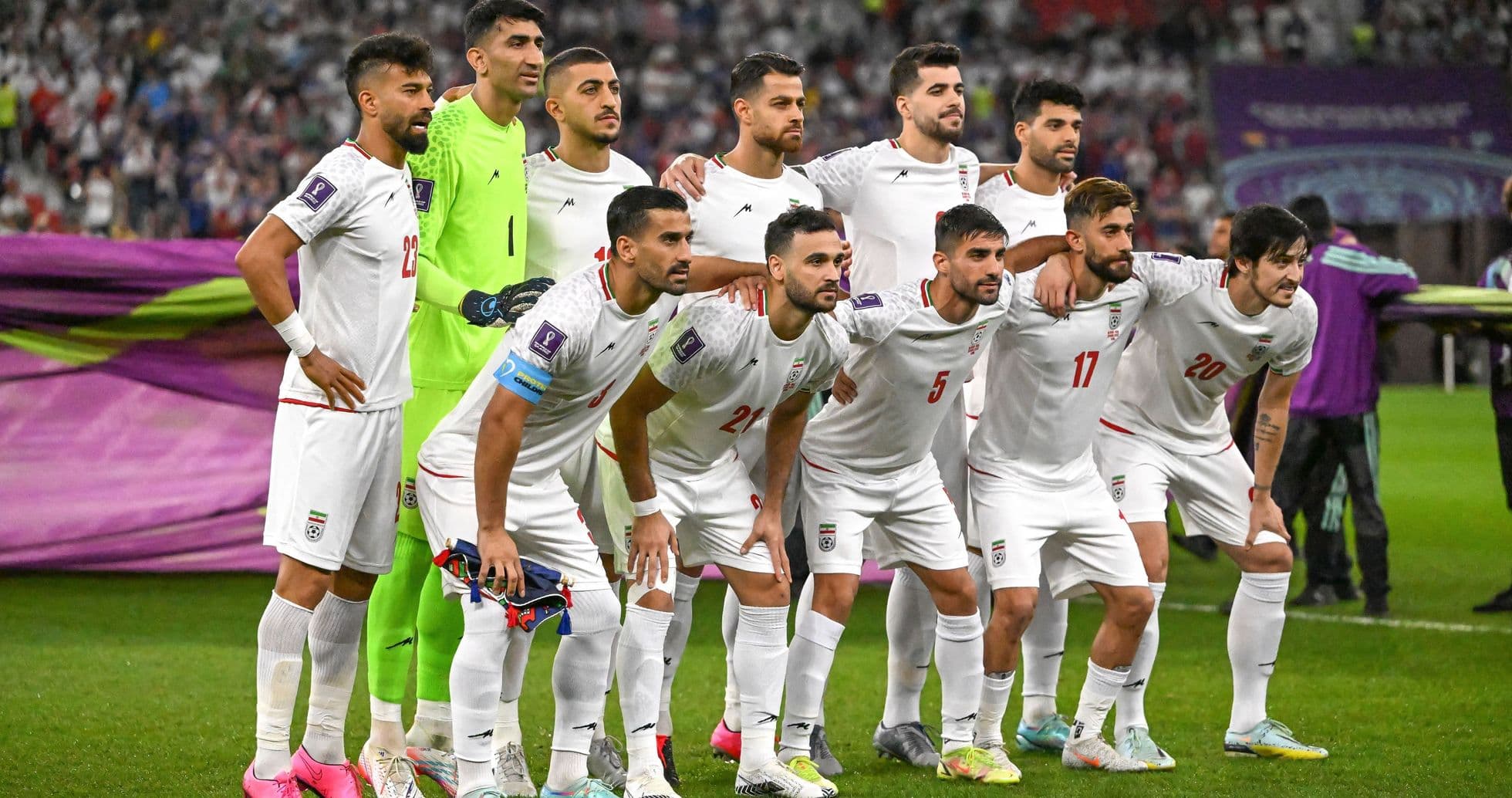
Iran’s football federation has put the 2026 World Cup on notice: the national team will go to North America, but only on its own terms.
In a stark, politically charged declaration, the FFIRI confirmed it intends to compete at the tournament co-hosted by the United States, Mexico and Canada, while making it clear that participation hinges on a series of non-negotiable conditions rooted in politics, security and national identity.
“We will definitely participate in the 2026 World Cup, but the hosts must take our concerns into account,” read the statement on the federation’s official website. “We will participate in the World Cup tournament, but without any retreat from our beliefs, culture, and convictions.”
That sentence sets the tone. Iran is not simply booking flights; it is staking out a position.
Ten Conditions for a World Cup
FFIRI president Mehdi Taj went on state television to spell out the demands. Ten conditions in total, stretching from the mundane to the highly symbolic, all framed as prerequisites for Iran’s presence in the United States and its co-hosts.
At the heart of it lies a familiar fault line: geopolitics colliding with global sport.
Taj’s list touches on the basics of tournament participation — visas, logistics, security — but also digs into the deeper question of how Iran is represented and treated during a month-long showpiece that will dominate the sporting calendar.
The federation insists on guaranteed visas and what it calls full “respect” for the national team staff, the Iranian flag and the national anthem at every stage of the competition. It wants robust security at airports, hotels and on the routes to stadiums, with a particular focus on the safety and freedom of movement for the entire delegation in each host city.
This is not framed as a polite request. It is a condition.
Visa Flashpoint and IRGC Links
The most sensitive issue sits at the border: who gets into North America, and on what terms.
Tension spiked after Canada refused entry to the head of the federation over alleged links to the Islamic Revolutionary Guard Corps (IRGC). That decision has become a red line for Tehran, a precedent it is determined not to see repeated with its players and staff.
Iran now wants explicit assurances that professional footballers who have completed mandatory military service — including those who served in the IRGC — will not be punished or blocked during the visa process.
Taj did not hide behind generalities. He named names.
“All players and technical staff, especially those who have served their military service in the Islamic Revolutionary Guard Corps or IRGC, such as Mehdi Taremi and Ehsan Hajsafi, should be granted visas without any problems,” he stated.
That public insistence drags individual stars directly into a wider political dispute and places added pressure on the host nations’ immigration authorities long before a ball is kicked.
FIFA Holds Its Line
While Tehran raises the stakes, FIFA is standing firm on the basics: the tournament goes ahead as planned.
President Gianni Infantino has reiterated that the schedule for 2026 remains unchanged. The governing body expects all qualified nations to turn up and fulfil their fixtures, whatever the political weather, while it works behind the scenes on the usual logistical complexities that come with a tri-nation World Cup.
For FIFA, this is about keeping the competition intact. For Iran, it is about drawing a boundary between participation and perceived compromise.
Group G Awaits
On the pitch, the picture is already clear. Iran will be based in Tucson, Arizona, and placed in Group G alongside New Zealand, Belgium and Egypt.
Their opening match is set for June 15 in Los Angeles against New Zealand — a fixture that, on paper, should be about tactics, form and tournament nerves. Instead, it now sits in the shadow of diplomatic demands and security guarantees.
If the conditions are met, Iran’s players will walk out in LA with a World Cup to chase and a political statement already made. If they are not, the story of Group G may change before the teams even arrive.