Why is the Republic of Ireland Facing Israel in UEFA Nations League Matches?
Before the UEFA Nations League draw in Brussels this past February, the Football Association of Ireland (FAI) braced for challenges. Placed in Pot 3 of the League B draw, they were aware that one potential opponent from Pot 1 would cause significant political and logistical difficulties. That opponent was Israel. The Republic of Ireland found themselves grouped in Group B3 alongside top-seeded Israel, Austria, and Kosovo.
Within minutes of the draw, the FAI announced they would play both home and away matches against Israel. However, neither match would take place in Ireland or Israel. Instead, the away game is scheduled in Debrecen, Hungary on 27 September, with the 'home' fixture held behind closed doors in Backa Topola, a small town in Serbia, on 4 October.
The Controversy Surrounding These Fixtures
The move to neutral venues without fans might have been intended to ease tensions, yet debate over why Ireland is playing Israel at all has persisted since February. Calls for a boycott have increased due to Israel’s involvement in Gaza, which a United Nations independent commission described as genocide. This double-header could be among the most talked-about fixtures involving the Republic of Ireland in recent years.
Tensions grew further after comments by the Republic of Ireland head coach, Heimir Hallgrimsson. He said, "We're not playing with genocide, we're playing against genocide," clarifying the team’s stance when questioned about their position ahead of the matches. His statement sparked outrage from the Israel Football Association, which condemned it as "stupidity, ignorance and hypocrisy." The Israeli government denies accusations of genocide since its response to the October 7 attacks nearly three years ago, which killed around 1,200 people and saw 250 hostages taken by Hamas. Since then, more than 70,000 Palestinians have died in Gaza according to United Nations figures.
Protests and Public Reactions
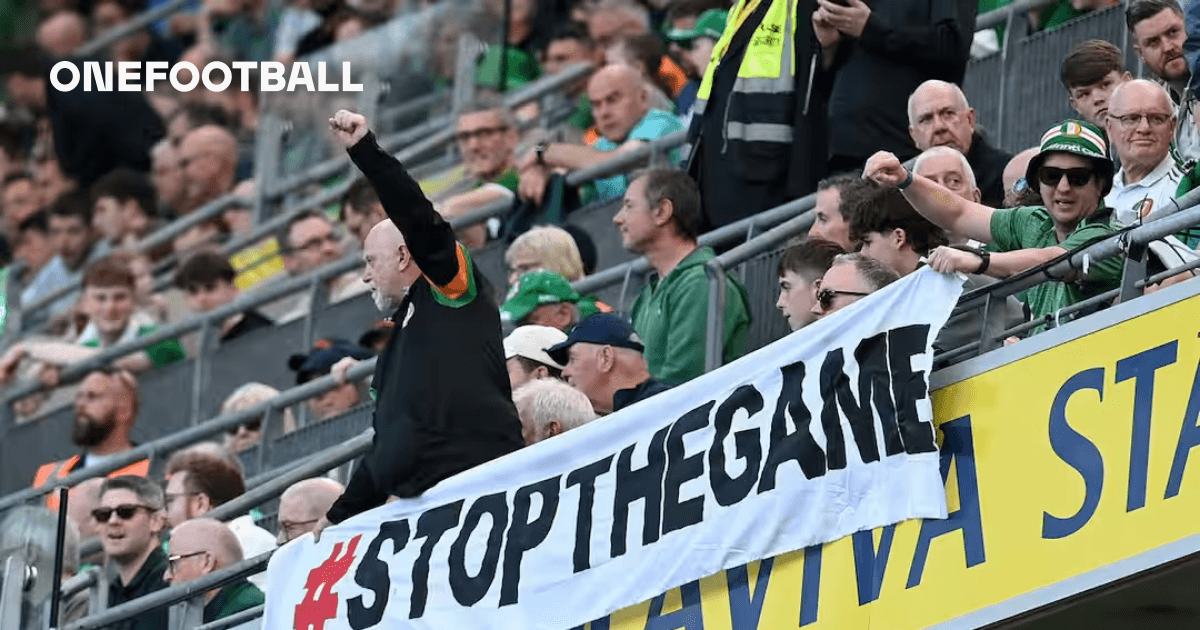
On Monday evening, protesters gathered outside the Irish team's hotel in Dublin under the "Stop the Game" campaign. The controversy echoes wider cultural moments such as rapper Macklemore being dropped from Ed Sheeran’s Loop tour for calling out "free Palestine," which led some Irish acts like Aaron Rowe and folk band Beoga to withdraw in solidarity. Former Republic of Ireland player Kevin Kilbane expressed strong disapproval in the Irish Times, saying the decision to play these fixtures will leave a "stain" on the FAI, emphasizing that Ireland should not face Israel anywhere, whether Dublin, Hungary, or Serbia.
FAI's Position and UEFA Response
In November, the FAI wrote to UEFA's Executive Committee demanding the suspension of the Israel Football Association. Nonetheless, they argued that refusing to play would severely impact Irish football overall, potentially harming their chances of qualifying for Euro 2028—which Ireland will co-host—and future World Cups. UEFA and FIFA suspended Russia promptly after its invasion of Ukraine in 2022, yet Israel continues to compete in their competitions despite the conflict following October 7.
UEFA was expected to vote on Israel’s participation last year but postponed amid ceasefire talks between Israel and Hamas. Since then, over 1,300 Palestinians, mostly civilians, have died in Gaza, with accusations exchanged by both sides about ceasefire violations.
European Responses and Boycott Considerations
No European nation has boycotted a match against Israel so far. Pro-Palestinian demonstrations occurred before Israel’s World Cup qualifiers in Norway and Italy last season, but neither country forfeited the matches. Lise Klaveness, president of the Norwegian Football Federation, noted that a boycott might allow Israel to qualify for the World Cup instead of Norway.
Earlier this month, FAI chief executive David Courell revealed UEFA denied their request to separate Ireland and Israel in future draws because the countries are "never been in direct conflict." UEFA stated that decisions on avoiding certain matchups consider multiple factors, especially security risks, and that each situation is handled individually and carefully.
Neutral Venue and Broadcast Decisions
UEFA did approve moving Ireland’s home match against Israel from Dublin to a neutral location for safety reasons. Irish supporters cannot attend either game, including the away fixture in Hungary. Ireland’s public broadcaster RTE confirmed it will provide limited coverage without studio analysis or local commentary, relying solely on the international feed.
Despite empty stands and pared-back broadcasts, these matches remain heavily charged events. Opposition voices in Ireland remain loud and clear.
- Group B3 Teams: Republic of Ireland, Israel, Austria, Kosovo
- Away Match Location: Debrecen, Hungary (27 September)
- Home Match Location: Backa Topola, Serbia (4 October), behind closed doors
- UN Report: Israel accused of committing genocide in Gaza
- October 7 Attacks: 1,200 killed, 250 hostages taken by Hamas
- Palestinian Death Toll: Over 70,000 since the conflict started
- Protests: "Stop the Game" campaign outside Irish team hotel
- FAI Appeal: Requested suspension of Israel Football Association rejected by UEFA
- Broadcast: RTE providing minimal coverage with no studio punditry