Italian World Cup Hopes Depend on Iran's Withdrawal
Italian football has reached an unusual point: its only route to the 2026 World Cup runs not through a play-off or a miracle on the pitch, but through geopolitics and another nation’s potential withdrawal.
As things stand, Italy will watch next summer’s tournament from home. The only theoretical opening lies with Iran pulling out, their participation clouded by escalating tensions with the United States, one of the host nations.
Azzurri hopes built on a technicality
Reports from French outlet RMC Sport say a section of Italian supporters has started to cling to the idea of a “technical qualification” if Iran were to withdraw. It is more fantasy than plan, but in a country twice scarred by back-to-back failures to qualify, even the slimmest legal loophole becomes a talking point.
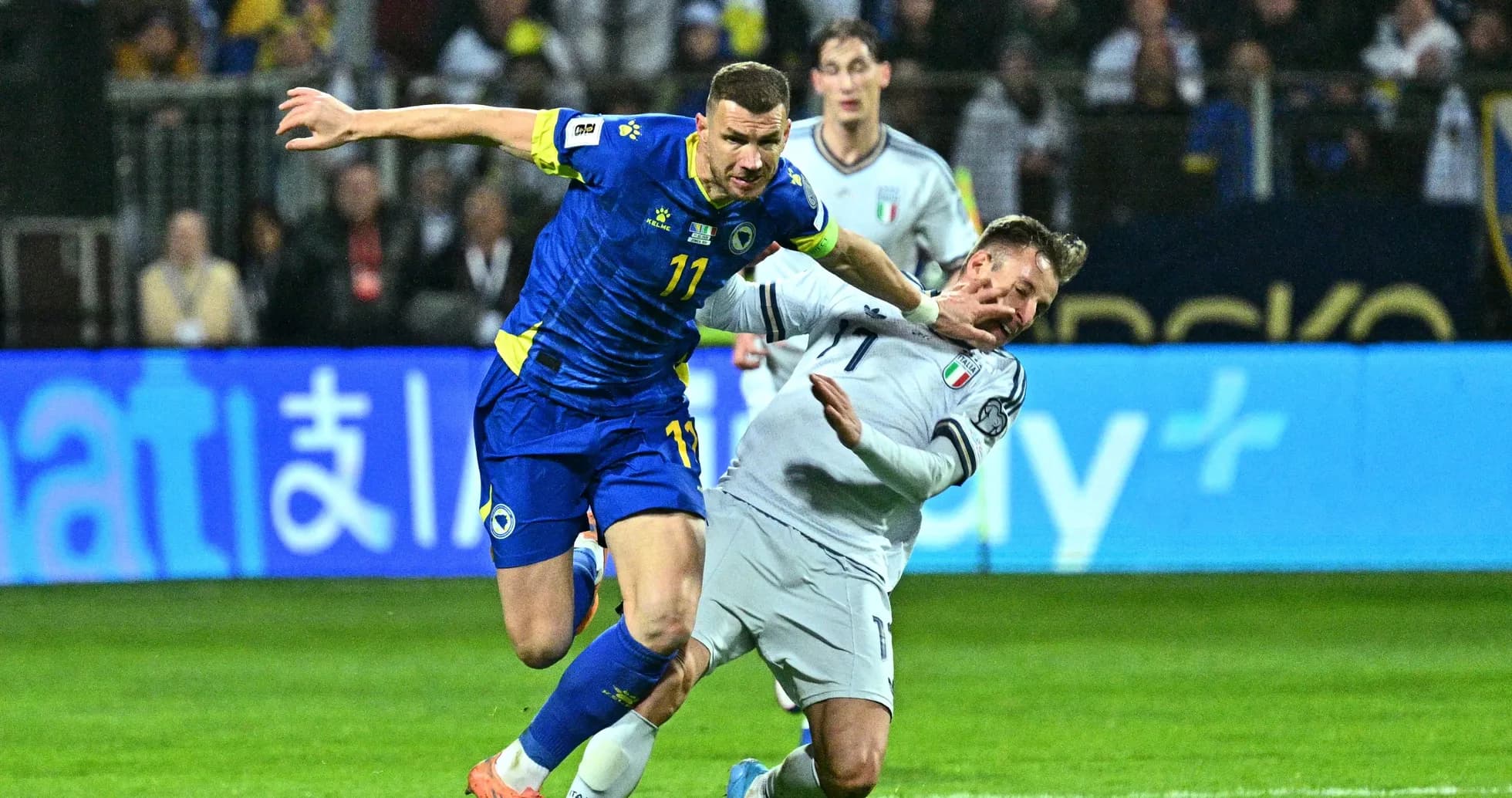
The logic is simple enough. If Iran step aside, Group G – currently featuring Belgium, New Zealand, Egypt and Iran – would need a replacement. Italy are the highest-ranked side among those who failed to qualify. On paper, that makes the Azzurri a glamorous, ready-made substitute.
On paper only.
Political firestorm around Iran’s place
The football question sits on top of a far more serious backdrop. In February, the United States and the Zionist entity launched a joint missile strike on Iran, in which Supreme Leader Ayatollah Ali Khamenei was killed. The fallout has rippled into every sphere, including sport.
Iran’s Minister of Sport has publicly cast doubt on the country’s ability to appear at the World Cup, stating that Iran “does not have the capacity to participate”. That line alone was enough to send alarm through FIFA corridors and ignite speculation across the football world.
US President Donald Trump added fuel, urging Iran to withdraw “for its own safety”. On Truth Social he wrote that Iran were welcome, but that he did not believe it was appropriate for them to play, citing security concerns.
Tehran’s first reaction was defiant. Iranian officials insisted the team “cannot be excluded” and even suggested that, if anyone should step aside, it should be the United States.
Then came a statement that changed the tone.
The Iranian Ministry of Sport announced a sweeping ban on all national sports teams and delegations travelling to countries classified by Tehran as “hostile”, until further notice. That category, crucially, includes the United States.
FIFA backs Iran – and shuts down Italy talk
Despite the political storm, Iran’s sporting status is clear. The national team qualified on merit through the AFC pathway and remains, officially, a World Cup participant. Their place in the group has not been touched.
Inside FIFA, there is no appetite to push them out. President Gianni Infantino has thrown the organisation’s weight behind Iran’s participation and has not entertained the idea of a contingency plan.
Recent talks between FIFA and an Iranian delegation ended with the same message: Iran are in, and the plan is for them to play their World Cup matches on US soil as scheduled.
Infantino underlined that stance in Turkey on Tuesday, speaking on the sidelines of a friendly between Iran and Costa Rica. He stated that the Asian side will take part in the tournament and that there is no alternative scenario under consideration.
Even the notion of moving Iran’s games to Mexico has been dismissed. For now, the fixtures stand: Iran against New Zealand on 16 June to open their campaign, followed by Belgium in California and Egypt at Lumen Field in Seattle.
With that, any Italian hope of a backdoor entry is effectively blocked.
What if Iran walk away late?
The only crack in that door lies in timing. If Iran were to announce a withdrawal just days or weeks before the opening match, FIFA would be thrown into a logistical and organisational scramble.
Stadium allocations, ticketing, broadcasting schedules, security plans – everything would need a rapid rework. It would be chaos.
But even in that chaos, the path does not clearly lead to Italy.
According to RMC Sport, the prevailing view inside football’s decision-making circles is that, should Iran pull out, they would be replaced by another Asian side. The aim would be to preserve the balance of continental slots and avoid reshaping the global distribution of places.
The regulations do not strictly force FIFA to choose a team from the same confederation. Yet the political reality of World Cup allocation makes that the most logical, and most defensible, option.
Handing the spot to Italy would mean gifting Europe an extra place in a tournament where UEFA already dominates: 16 qualified teams from 55 associations. That move would invite immediate protest from other continents and drag FIFA into another political storm, this time of its own making.
UAE emerge as leading standby candidate
If the confederation balance is respected, one name stands out: the United Arab Emirates.
After Iraq claimed their ticket by beating Bolivia 2-1 in the intercontinental play-off, the UAE became the highest-ranked Asian nation not to qualify for the World Cup. By that measure, they are the natural first in line should Iran vacate their spot.
That scenario is still hypothetical. Everything hinges on developments inside Iran and on a final, formal decision from FIFA if the situation deteriorates.
For now, the picture is brutally simple. Iran remain in Group G, backed by FIFA and by Infantino’s public assurances. The UAE wait in the shadows as the most credible Asian alternative. And Italy, despite their pedigree and ranking, stand on the outside, reduced to hoping for a political earthquake that the game’s rulers are determined to avoid.
The World Cup rarely bends to sentiment. The Azzurri, of all nations, know that better than anyone.