Italy's Gamble on Guardiola Fails: What’s Next?
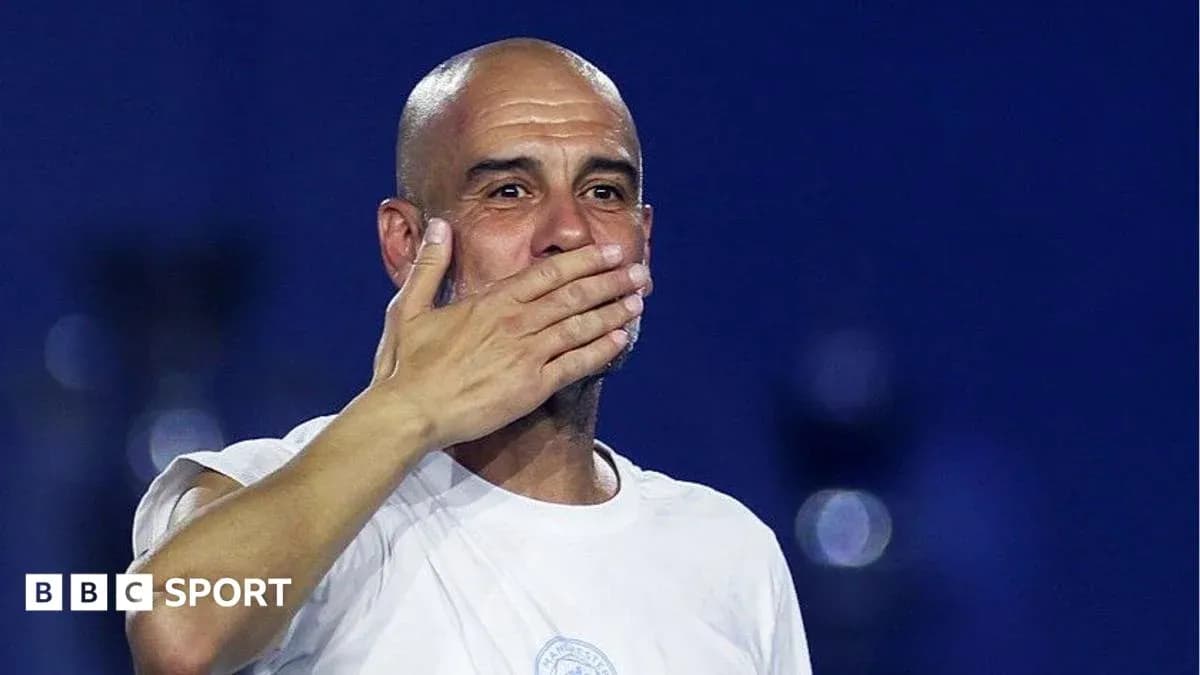
Italy rolled the dice on Pep Guardiola. They offered power, money and the keys to a fallen giant. He still walked away.
The Italian Football Federation (FIGC) sounded out the former Manchester City manager after his decade-long stay in England ended this summer. President Giovanni Malagò even admitted that “exceptions” could be made for Guardiola’s salary. In other words: whatever it takes.
It wasn’t enough.
Guardiola has told the FIGC he will stick to his original plan – a break from football. Time to rest, to be with his family, to travel. No touchline, no training ground, no national anthem to conduct from the technical area.
From Ancelotti to Pep – and Two Rejections
Italy’s pursuit of a marquee name started elsewhere.
On Thursday, FIGC technical director Paolo Maldini revealed that the first call went to Carlo Ancelotti. The former Azzurri midfielder, now in charge of Brazil, was the natural romantic choice: Italian, decorated, calm under pressure.
Ancelotti, though, has agreed to stay where he is. Brazil over a rebuild in Coverciano.
So the federation turned to Guardiola, arguably the defining coach of his generation. They didn’t just offer a huge salary. They effectively told him he could shape the role however he liked, such is their desperation to drag a four-time world champion out of its modern malaise.
Three consecutive failures to reach the World Cup have scarred Italian football. The FIGC wanted a shock to the system. Guardiola was that shock.
He listened. He thought. Then he said no.
Pirlo Steps to the Front
With Ancelotti and Guardiola both out of the picture, the focus inside the FIGC shifts to a name from a different shelf, but one with deep roots in the shirt.
Andrea Pirlo, the elegant former Italy playmaker, is now the frontrunner. He is currently coaching Dubai-based United FC, far from the glare and pressure of a country that still measures itself in trophies and trauma.
The task waiting for him is brutal.
Italy must first navigate a Nations League group in the autumn that includes France, Belgium and Turkey. No soft landings there, no time for gentle experimentation. After that, the real target looms: qualification for Euro 2028.
Pirlo, if appointed, will inherit a side that has missed three straight World Cups and still carries the echo of its Euro 2020 triumph like a distant memory. The FIGC wanted a guarantee in Guardiola. Instead, they may turn to a symbol.
The question now is simple and stark: can a nation that failed to tempt the game’s most coveted coach find its revival in one of its own?