Jamshedpur FC Exits ISL: A Major Blow to Indian Football
Nine years after winning the bid to give Jamshedpur its own Indian Super League identity, Tata Steel has pulled the plug. The club that turned the JRD Tata Sports Complex into “The Furnace” will not feature in the ISL from the 2026-27 season.
For a league that has just moved into a club-led model, this is no routine withdrawal. It is a jolt.
“Jamshedpur FC would like to confirm that it will not be participating in ISL from 2026-27 season onwards,” the club announced in a statement on Friday. The words were clinical. The impact was anything but.
From Furnace to Fallout
Jamshedpur’s rise into the ISL felt, at the time, like a natural extension of Tata’s long, almost custodial relationship with Indian football. The steel giants won the bid in 2017, planted their flag in Jharkhand, and quickly built one of the league’s most distinctive homes.
Crowds poured into the JRD Tata Sports Complex. The ground earned its nickname for a reason: packed stands, relentless noise, a sense that this was not just a franchise but a football town waking up.
The peak arrived in the 2021-22 season. Under Owen Coyle, Jamshedpur were not just competitive; they were champions. A hard-running, high-intensity side that matched the personality of their city and their stadium.
Now, when the ISL kicks off in October, those red shirts and that searing home atmosphere will be missing from the fixture list. A former champion, gone from the league’s future.
Silence on Reasons, Noise in the Background
The club’s statement leaned heavily on commitment to the game, not on explanations.
“JFSPL remains committed, in other capacities, to the continued growth and development of football in India. We will continue in our endeavour to promote and develop the game of football, including at the grassroots level. We will continue to identify and develop young football talent across India to create a strong pathway for young players from grassroots to national and international football.”
What it did not say is why a project of this scale, backed by a group with Tata’s history in the sport, has stepped away from the country’s flagship league.
Behind the scenes, the picture looks more complicated. Sources point to growing financial losses and lingering questions in some quarters about the league’s long-term sustainability. Jamshedpur have already informed the All India Football Federation of their decision. The move is not a warning shot; it is a done deal.
Inside the Club: Uncertainty and Anxiety
The human cost landed quickly. Club CEO Mukul Choudhari called a staff meeting and delivered the news that the senior team would no longer continue. Around 50 members of administrative and technical staff across the first team, youth, and grassroots structures were left staring at an uncertain future.
On the playing side, the questions pile up. Jamshedpur have at least 12 senior players tied to long-term contracts. Owen Coyle, the coach who led them to their ISL title, also remains under contract. There has been no clarity yet on how those deals will be resolved, or what happens to the core of a squad built to compete, not to disappear.
Six other players brought in this season are on short-term contracts, signed specifically for the Durand Cup: former India midfielder Raynier Fernandes, Abhishek Ambekar, Aman CK, Devendra Murgaokar, Leewan Castanha and Provat Lakra. They are playing a tournament for a club whose senior future has already been written off the ISL map.
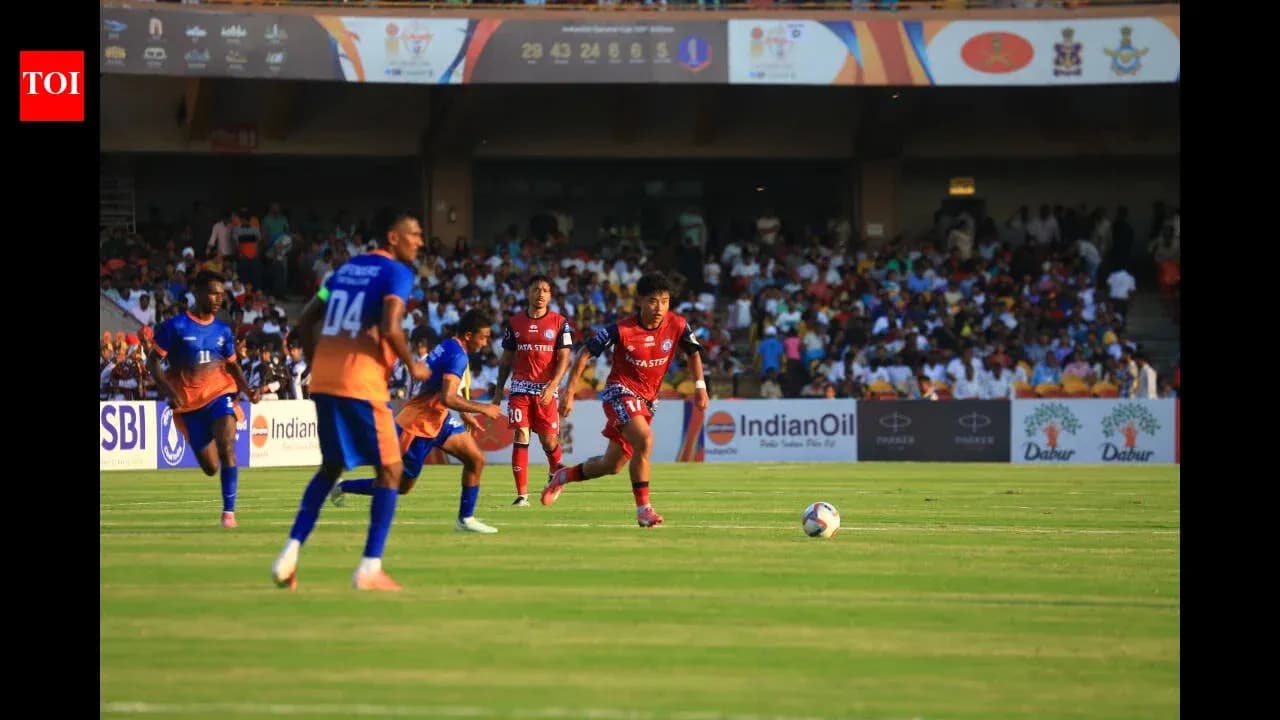
For now, Jamshedpur’s senior team continues to compete in the Durand Cup. It is a strange limbo: a team still on the pitch, a project already marked with an end date.
A Blow to the ISL Model
The timing could hardly be more awkward for the league. This is the first season under a club-led operating structure, with ISL teams collectively running the competition through a league entity, while the federation retains a 10% stake.
That shift was supposed to signal maturity, stability, shared responsibility. Instead, one of the league’s most distinctive clubs has chosen to walk away from the top tier.
The exit is more than a lost fixture list entry. Jamshedpur represented something rare in Indian football: a serious, sustained investment in a non-metro market, built on an existing football culture and a deep-rooted corporate backer.
Tata’s Football Legacy Carries On – But Where?
Tata Group’s relationship with the sport predates the ISL by decades. Their Mumbai-based side once dominated domestic tournaments like the Durand Cup, IFA Shield and Rovers Cup. The residential academy they built has, over nearly 30 years, supplied close to 150 players to various India teams.
Tata Steel have also used their clout to bring global names to Indian shores, arranging friendlies against clubs such as PSV Eindhoven and Sao Paulo. That history explains why the club’s statement leaned so heavily on grassroots and development: this is not a group casually exiting the game.
What changes is the stage. Jamshedpur FC, as an ISL entity, will step away. The promise is that the Tata ecosystem in football will remain, and that pathways for young talent will still exist.
But for the fans who turned the JRD Tata Sports Complex into “The Furnace”, and for a league trying to convince the country that its model is durable, one question now hangs over the coming seasons: if a club like Jamshedpur can walk away, who might be next?