Japan vs Brazil: Moriyasu’s Men Ready for Knockout Clash
Japan have walked through the group-stage tightrope. Now they step onto the World Cup’s biggest high wire: Brazil, knockout football, and no safety net.
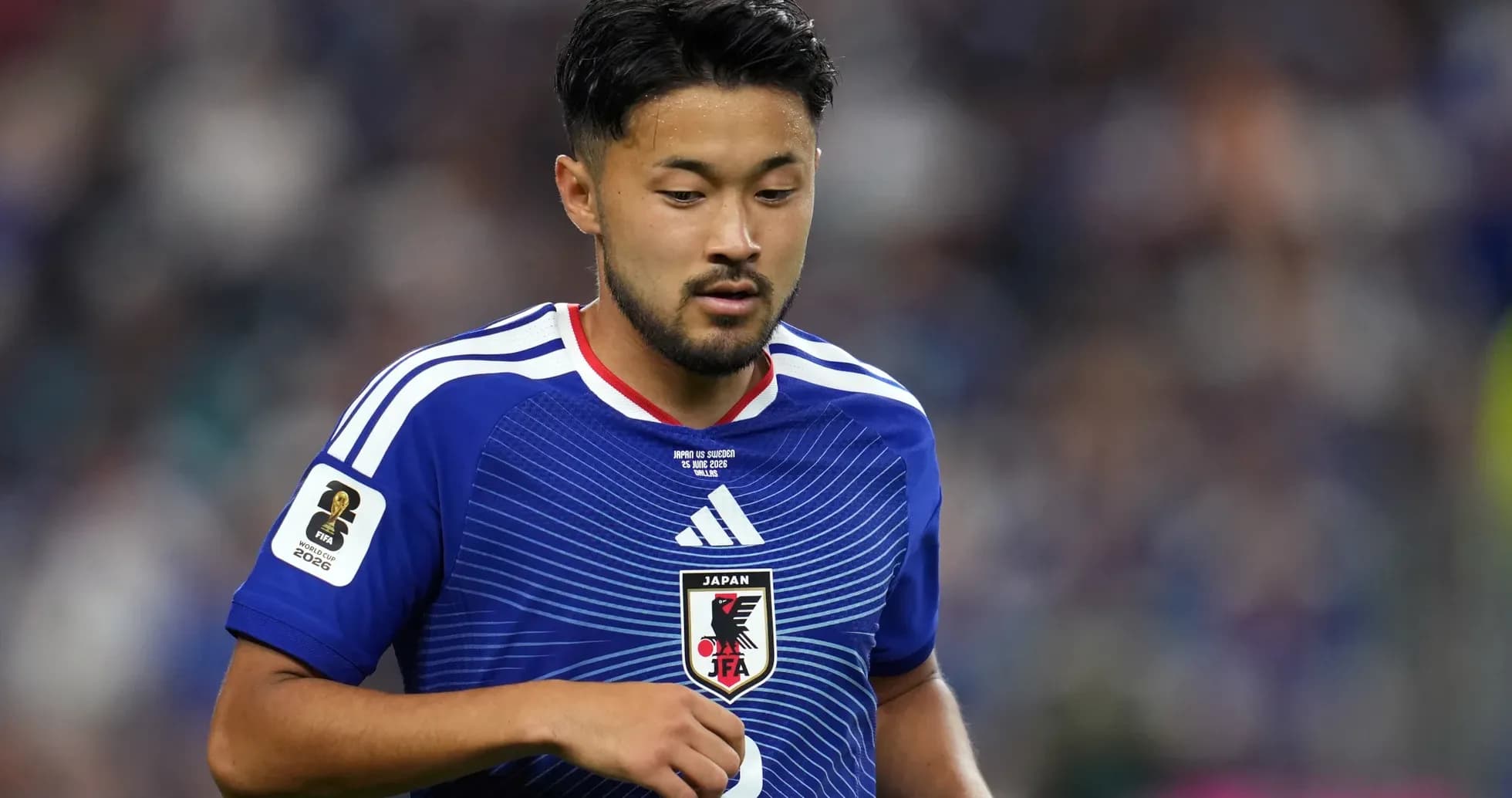
Hajime Moriyasu’s side booked their place in the last 32 with a tense 1-1 draw against Sweden at the home of the Dallas Cowboys, a result that sealed second place in Group F behind the Netherlands after one win and two draws. It was not glamorous, it was not comfortable, but it was enough.
The reward? A date in Houston on Monday with the five-time world champions, a Brazil squad led by Carlo Ancelotti and lit up by Real Madrid star Vinicius Junior. This is the kind of fixture that defines careers. Japan know it.
“There is no bigger stage,” defender Yukinari Sugawara said after the nervy stalemate with Sweden, the words hanging in the air like a challenge as much as an observation.
Japan’s belief meets Brazil’s pedigree
On paper, Brazil stride into North America’s last 16 as heavy favourites. History says so. Talent says so. The gold shirts, the five stars, the conveyor belt of attacking brilliance – it all points one way.
Japan are not listening. Not entirely.
They arrive in Houston as one of the tournament’s dark horses, a team that has quietly built a reputation for upsetting the established order. They beat England at Wembley in the build-up to this World Cup. They beat Brazil 3-2 in a friendly at home in October. Those results do not hand them an advantage on Monday, but they do strip away some of the mystique.
“We need to give 120 per cent against Brazil,” Sugawara insisted. “To do that we need to be together as one as a team and a country, and prepare with everything we've got.”
Moriyasu, measured as ever, offered a reminder that Brazil will not have forgotten that October defeat.
“Perhaps because of that match, they will be motivated even more,” the coach warned. Japan have poked the giant before. This time, the giant plays for keeps.
A nervy finish, a clear message
Japan’s route to the knockouts almost veered off course in the second half against Sweden. Daizen Maeda’s strike gave them a precious lead after the break, a moment that should have settled nerves but instead seemed to jolt Sweden into life.
Anthony Elanga hit back quickly, his shot squeezing past Zion Suzuki, who will know he could have done better. From there, Japan were hanging on, the clock slowing, every Swedish attack feeling heavier than the last.
They survived. Sometimes, in tournament football, survival is the most important habit of all.
Veteran defender Shogo Taniguchi cut through any lingering relief with the blunt reality of the days ahead.
“From here on, if we lose it's all over. We need to move into a higher gear for the next game,” he said. No caveats. No comfort. Just the cold edge of knockout football.
Suzuki’s stance: treat Brazil like a final
If Suzuki wore the look of a man frustrated with himself after Elanga’s equaliser, his words showed no trace of doubt about what comes next.
Japan, he argued, have already proved they can stand toe-to-toe with the elite.
Having helped his country defeat England at Wembley before the tournament, the goalkeeper sees no reason to shrink from Brazil.
“We know that they're a strong team but if we do things right, we can definitely win,” he said. For Suzuki, the mindset is non-negotiable: “I want to approach this game as if it’s the final.”
That is the tone around this Japan camp now. No talk of glorious failure. No talk of learning experiences. They are not travelling to Houston to admire the yellow shirts.
All or nothing in Houston
Brazil bring the history, the aura, the individual brilliance. Japan bring cohesion, discipline and a quiet, growing conviction that they belong on this stage.
Moriyasu’s players know what awaits them: Vinicius Junior running at full tilt, Ancelotti’s tactical fingerprints all over Brazil’s structure, a stadium braced for a heavyweight to advance. They also know that one sharp, fearless performance can tilt an entire tournament.
“From here on, if we lose it’s all over,” Taniguchi said. He is right.
For Japan, that is not a warning. It is the appeal of the occasion.