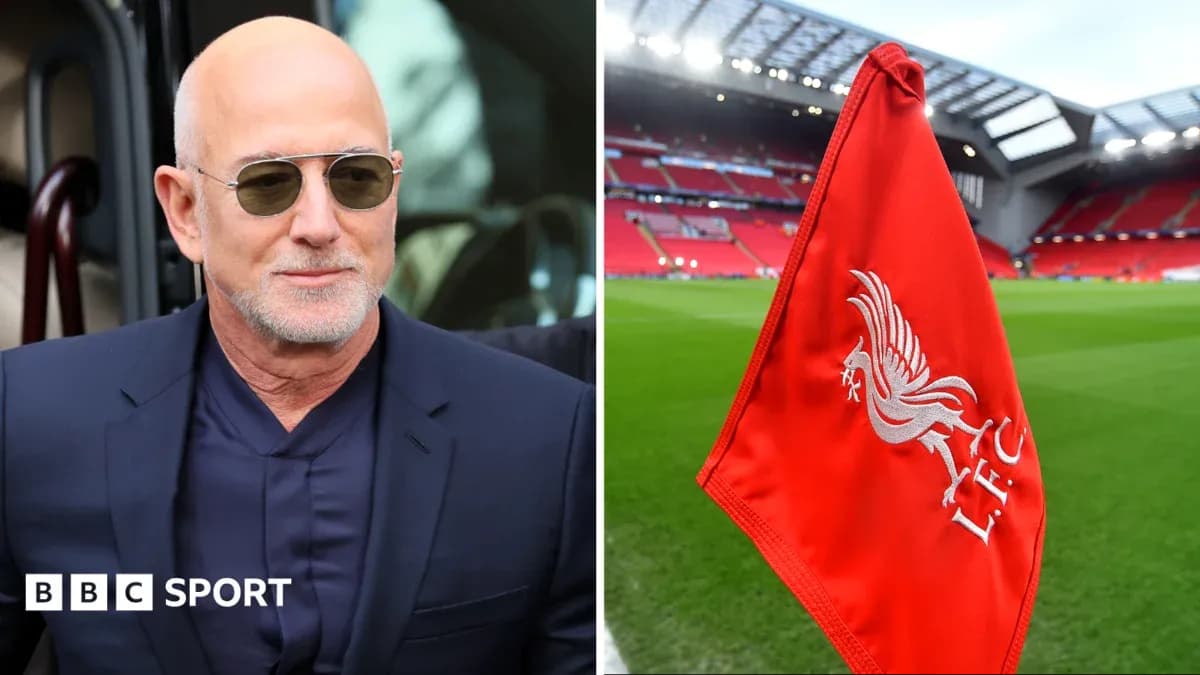
Jeff Bezos-Backed Consortium Negotiates 30% Stake in Liverpool
Liverpool’s ownership landscape is edging towards a seismic shift, with a heavyweight consortium featuring Jeff Bezos moving deeper into negotiations over a significant minority stake in the club.
BBC Sport has been told that talks have advanced over a deal for around 30% of Liverpool, a move that would inject one of the world’s richest individuals into the Anfield boardroom without dislodging current owners Fenway Sports Group (FSG).
Billionaires at the Gate
The consortium is fronted by British-Indian businessman Amit Bhatia, a familiar figure in English football boardrooms. Bhatia, the son-in-law of Indian steel magnate Lakshmi Mittal, spent 18 years as a director and co-owner at Queens Park Rangers before relinquishing his stake last month. He now appears ready for a far bigger stage.
Alongside him stands Facebook co-founder Eduardo Saverin, adding Silicon Valley heft to the bid. Then comes the headline name: Jeff Bezos, founder of Amazon and the fourth-richest person on the planet.
Bezos, 62, carries an estimated net worth of $256bn (£192bn), according to Forbes. Numbers that, in football terms, change the conversation immediately. Any association with that level of wealth will sharpen interest across Europe, not just on Merseyside.
FSG Open to “Strategic” Investment
FSG confirmed last month that the group had “expressed interest in making a strategic minority investment in Liverpool Football Club”. The wording matters. This is not a full takeover, not a fire sale, but a search for fresh capital and fresh influence.
For FSG, who have owned Liverpool since 2010, a 30% sale would allow them to retain control while bringing in partners capable of fuelling the next phase of growth in a game where financial muscle keeps escalating. Stadium expansion, squad renewal, global commercial pushes – all require deeper pockets than ever.
The pressure at the top of the Premier League is relentless. Clubs backed by nation-states and sovereign wealth funds have reset the bar. A strategic investor with this kind of financial clout could help Liverpool stay in that arms race without FSG walking away.
From Loftus Road to Anfield?
Bhatia’s long stint at QPR offers a glimpse of what he brings: experience of the English football ecosystem, the politics of club ownership, and the realities of running a side in a demanding market. This is no starry-eyed newcomer turning up for a vanity project.
His partnership with Saverin and Bezos, though, shifts the scale entirely. Tech money, global branding power, and established football know-how in one package is a rare combination.
Talks are ongoing. No deal is done. But the direction of travel is clear enough: if agreement is reached, Liverpool will not just gain new investors – they will step into an era where one of the world’s most storied clubs is part-owned by one of the world’s most powerful businessmen.
In a league already defined by financial giants, the question now is simple: how much bigger can Liverpool afford not to think?