Jermain Defoe's Abrupt Exit from Woking Management
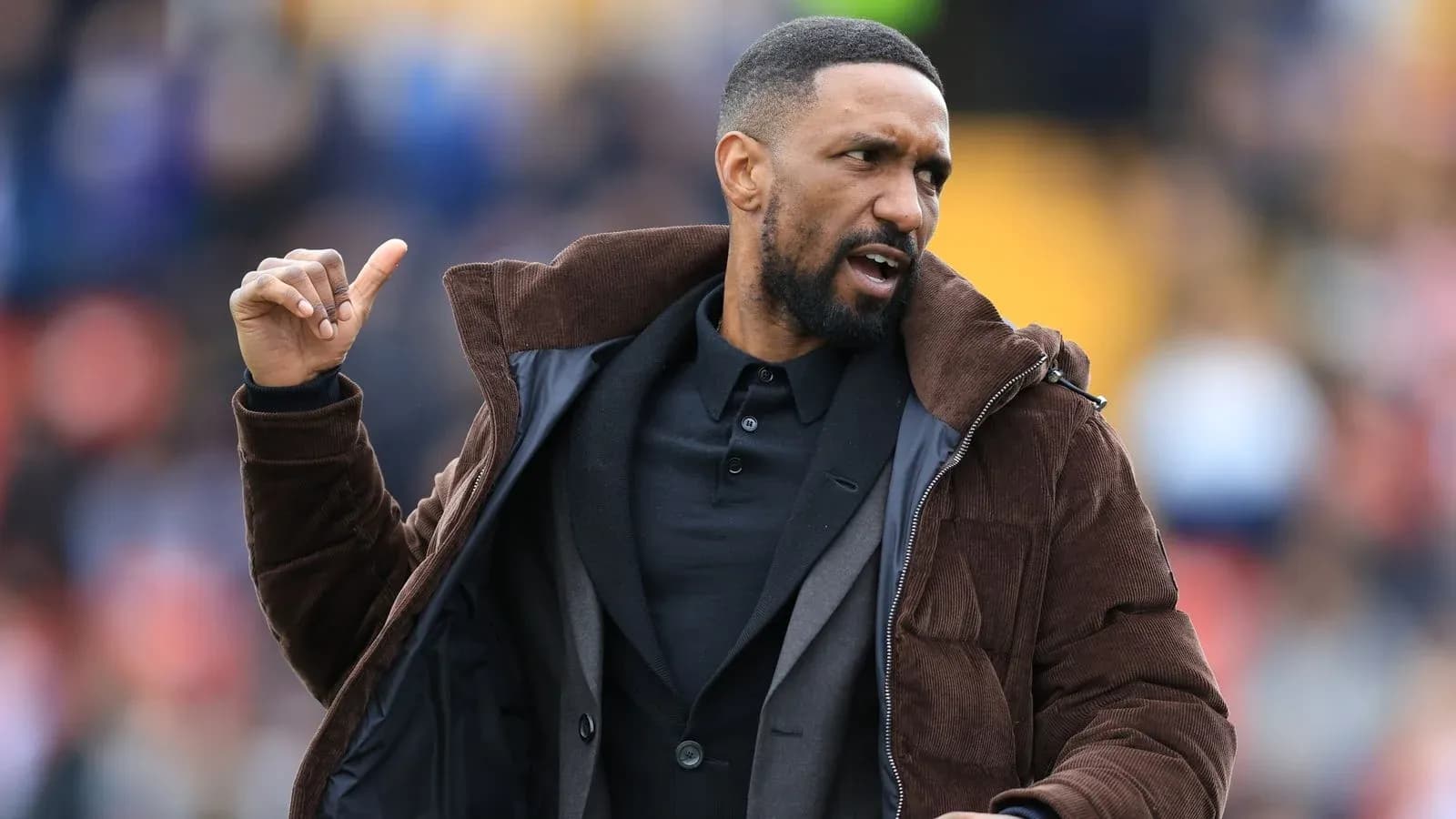
Jermain Defoe’s first taste of management has ended abruptly and acrimoniously, with Woking’s director of football Jody Brown accusing the former England striker of failing to attend a key club meeting and a training session before his sudden exit.
Defoe’s contract as Woking head coach was mutually terminated on Thursday, just four months after he stepped into the dugout for his first senior managerial role. His record was modest but promising on paper – two wins and one defeat from six games – and his public messaging had been relentlessly upbeat.
Behind the scenes, Brown says, a very different picture was forming.
Brown: “People do not just fail to turn up”
In a striking statement released on Saturday morning, Brown moved to challenge Defoe’s version of events and to defend the club’s handling of the situation.
“The recommendation to appoint Jermain as manager was mine, and I take full responsibility for it,” he said, explaining that after several meetings he believed Defoe was “the right person to lead the club into an exciting new era”.
That era has lasted barely a pre-season.
Brown insisted Woking were “fully committed” to backing Defoe, stressing that recruitment, staffing calls and football decisions were “heavily influenced” by the 43-year-old. Yet he revealed that “growing concerns” had been raised from “players, staff and other departments” in recent weeks.
Trying to get a grip on those concerns, Brown requested from Defoe and his assistant Paul Bracewell a short report on the squad’s depth, recruitment targets and any operational issues. It was, he says, requested more than once. It never arrived.
A meeting was then scheduled with the club’s directors, the manager, assistant manager and head of operations to review preparations for the season. According to Brown, neither Defoe nor Bracewell turned up. They also missed that day’s training session.
“Every football club faces challenges,” Brown said, reeling off the everyday demands that bounce around a National League operation – players wanting more minutes or better contracts, media staff chasing equipment, medical and fitness teams pushing for extra resources. “But people do not just fail to turn up.”
Brown added that Defoe had “never communicated any serious concerns directly” to him during his tenure and declined to speculate on the reasons for his departure.
Defoe: “Impossible for me to continue”
Defoe’s account, delivered in a statement on Instagram, painted a manager thwarted by circumstances rather than one walking away from responsibility.
“Following recent discussions, I can confirm that I have mutually agreed to leave my position as manager of Woking FC,” he wrote. “Unfortunately, circumstances have ultimately made it impossible for me to continue in the position.”
He spoke of pride in the work done and a belief that “we were building something special”, reserving particular praise for the players and his backroom staff, including Bracewell and Karl Halabi.
“I am incredibly grateful to the supporters and, most importantly, the players, who I am genuinely gutted for,” he said. “The group is a fantastic one, and I wish the squad every success for the season ahead.”
Defoe described his brief spell in charge as “an eye-opening managerial experience” and one he believes will make him “stronger for the next challenge” in his career.
Sky Sports News has contacted Defoe for further comment.
From EFL ambition to early exit
The split jars with the optimism that surrounded his appointment in March and the early stages of his reign. Sky Sports cameras followed his first steps in management, including a wild six-goal thriller against Eastleigh and a cagey 0-0 draw with Braintree Town.
After that stalemate, Defoe spoke boldly about his ambitions. He talked of doing “something special” with Woking and even floated the idea of pushing for promotion to the EFL, brushing aside suggestions that such a leap was unrealistic.
“People talk about it being impossible. That means nothing,” he said then. “I truly believe that we can do something special. When you become a manager and a coach, you want that sort of challenge. You want to get up in the morning and have a goal to strive to.”
Those words now hang over a project cut off before the season truly began.
Brown, for his part, made a broader point that will resonate across the game: “As we have seen many times before, success as a player does not always translate into management and leadership. I sincerely hope to see him succeed in whichever direction he follows.”
Woking must now scramble to steady pre-season plans and reset a dressing room that had only just started to adapt to Defoe’s ideas. Defoe, once again on the outside of the technical area, will have to decide how – and where – he proves that this bruising first chapter in management does not define the rest of the story.