Jude Bellingham Invests in Warwickshire Cricket Club
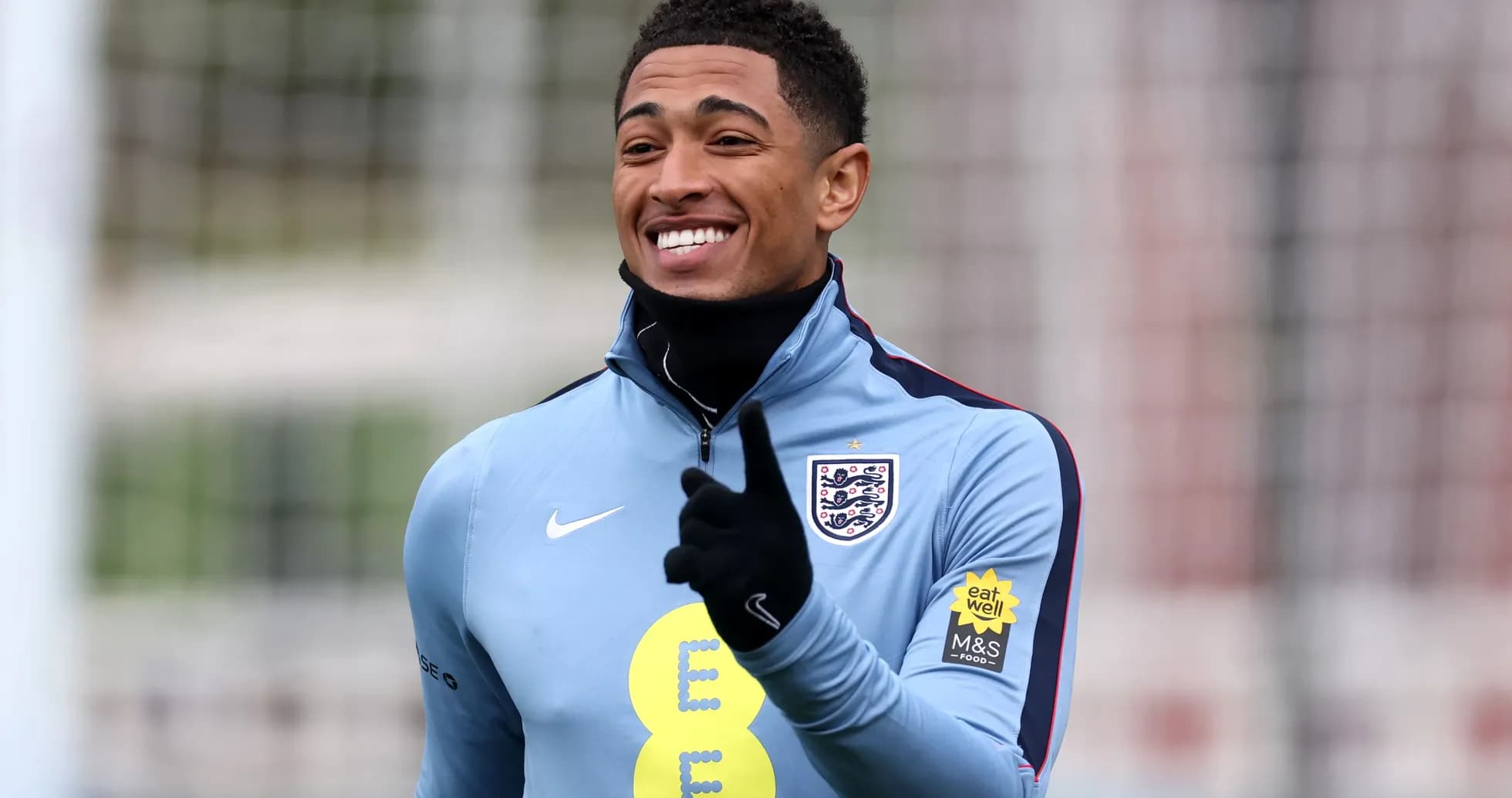
Jude Bellingham has conquered the Bernabéu. Now he is buying into Edgbaston.
The England and Real Madrid midfielder has taken a 1.2 per cent equity stake in Warwickshire County Cricket Club’s 100-ball side, tying his name and money to the game he grew up watching from the West Midlands. It is a small slice of ownership, but a loud statement of intent.
This is not a vanity purchase. Bellingham’s stake comes with a clear brief: community engagement and social responsibility. He wants to use his global profile to drag more young people in the West Midlands into sport, any sport, and he has chosen his hometown cricket club as the vehicle.
“I feel like I owe the city something. And this feels like a good way,” he told Warwickshire CCC, explaining why he moved beyond football and into the boardroom. “When I got the opportunity to get involved, I didn't really think twice about it and I'm so happy to be on board.”
For Birmingham, it is another chapter in a story that has followed him from the academy pitches to the Champions League. This is the teenager whose No 22 shirt Birmingham City retired before he had even left for Borussia Dortmund, such was the impact and promise. Now, at 20, he is looping back, investing not just in sentiment but in the city’s sporting future.
He will not be alone in those meetings. Warwickshire still hold the controlling 50.4 per cent stake, but the remaining 48.4 per cent sits with Knighthead Capital Management, owners of Birmingham City. That link drops Bellingham into the same ownership orbit as NFL icon Tom Brady, a minority investor in the football club’s parent company. Edgbaston’s corridors now carry the names of a generational midfielder and a seven-time Super Bowl winner. Birmingham, quietly, has become a crossroads of global sport.
For Bellingham, though, the pull is far more personal than the corporate gloss. He spoke warmly about Birmingham City, the club that shaped him long before the white shirts of Madrid or the Three Lions.
“For me, Birmingham City are the best team I could have ever come through at and the best team I could have supported. I got the best upbringing into football, into life there,” he said, adding that everyone in the city “cares for one another really well.”
That sense of belonging runs through his connection to cricket too. Long before he was bossing midfields in La Liga, he was a kid in Stourbridge, scrapping over anything competitive with his younger brother Jobe.
“We're a competitive pair of lads. Pretty much everything we did ended in scraps and tears, whether it was Monopoly, or football and cricket,” he admitted. The image is vivid: two brothers, a back garden, a bat, a ball, and a lot of arguing. That is where the affection for the game took root.
Even now, at the top of world football, cricket remains his escape.
“Cricket is probably my favourite thing to watch outside football. My favourite sport to watch, for sure,” he said. Test cricket, with its long, unfolding drama, holds him most. “I enjoy the Test matches the most, when I can watch it throughout the whole day. There is a certain class and elegance to so many of the things: the toss, for example, and how the captains come out in their blazers and their caps on.”
It is a revealing detail. In an era driven by highlights and short clips, Bellingham gravitates to the slow burn of a five-day game, the rituals and rhythm of a sport that refuses to rush itself. Now he is stepping into the shortest format in English cricket, just as it undergoes a transformation of its own.
His arrival comes amid a huge financial restructuring of the 100-ball competition. Private investment has surged past £520 million ahead of 2026. Teams are being rebranded and repositioned to align with Indian Premier League powerhouses. Manchester Super Giants and MI London are the boldest examples of that global expansion, badges built to speak as loudly in Mumbai or New York as they do in Manchester or London.
In that landscape, Bellingham’s move cuts against the grain. The money is enormous, the structures increasingly international, but his reasoning is rooted in home.
“It's a huge honour to represent Birmingham on the world stage. And it's something that I don't take lightly. I want to keep doing it in the right way, so that my people back home are proud of me,” he said.
He already carries Birmingham with him every time he walks out at the Bernabéu or in an England shirt. Now he has pinned that identity to a different crease, in a different sport, at a ground just a short drive from where it all began.
The stakes, for him, are emotional as much as financial. The next question is simple: as the 100-ball revolution gathers pace, how far can one of football’s brightest stars help drag his city’s cricket team – and its kids – into that global light?