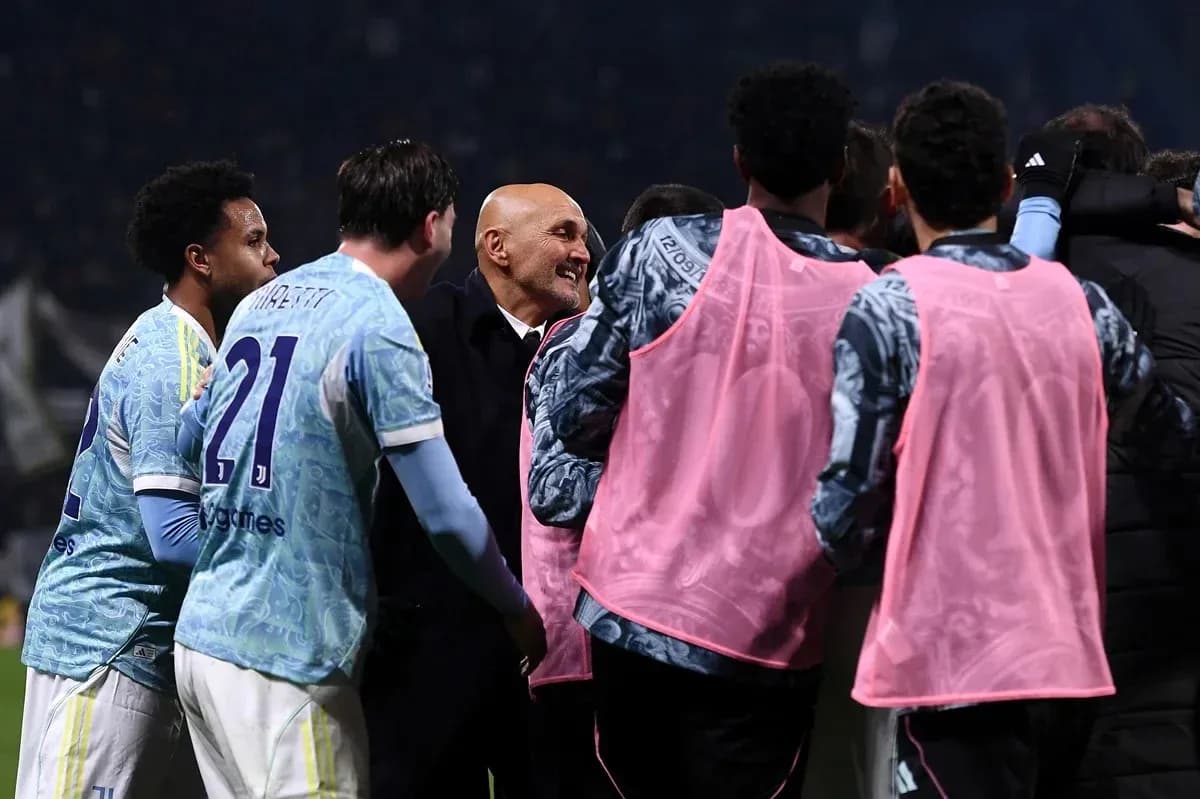
Juventus' Transfer Dilemma: Spalletti's Fresh Approach
At Juventus, the clear-out that never quite happens is back on the agenda. The club still carries a heavy load of players who no longer fit the project, expensive signings who arrived with fanfare and have since slipped into the shadows. This transfer window was supposed to be the moment to draw a line under those mistakes.
It hasn’t been that simple.
Clubs across Europe have shown little appetite for taking on these misfits, whether because of wages, form or simple lack of conviction. Juventus risk entering the new season with a bench full of players they once tried to move on at any cost.
That is where Luciano Spalletti has chosen a very different path from his predecessor.
From Motta’s blacklist to Spalletti’s open door
When Thiago Motta walked through the doors at the Allianz Stadium, he made his intentions clear. He split the squad in two: those he trusted and those he did not. The second group quickly found themselves pushed towards the exit, with the club instructed to seek solutions and strip them out of the core squad.
It was ruthless. It was decisive. And it left little room for redemption.
Spalletti has torn up that script.
Rather than ringfencing a group and freezing out the rest, the new manager has brought everyone back into the fold. Every contract on the books, every player in limbo, has been folded into his pre-season plans. Even Arthur Melo, a symbol for many of the club’s misjudged investments, has been given minutes and a platform to argue his case.
No one is being written off before a ball is kicked in earnest.
A manager who wants to see for himself
The philosophy is simple: judge on the pitch, not on past labels. Spalletti is using pre-season as a clean slate, a final exam for those who have long been considered surplus.
Journalist Giovanni Albanese captured the thinking behind it, noting that the coach is resisting the temptation to treat certain names as dead weight before he has even worked with them. The idea is to study everyone closely, then deliver a verdict. If performances fall short, the message to the hierarchy will be clear: these players must go. But as long as Spalletti is calling them up, watching them, testing them, there is at least a hint of opportunity.
It is not leniency. It is due diligence.
For Juventus, this approach buys time and information. For the players on the fringes, it offers something they have not had in years: the feeling that their future will be decided on what they do now, not on the mistakes that brought them here.
The market will still speak in the end. Some of these unwanted names will almost certainly be moved on if the right offers arrive. Yet this time, when Spalletti sits down with the club’s management to make those calls, they will be based on what he has seen with his own eyes.
At a club trying to escape the weight of its own past decisions, that shift alone could prove decisive.