Kenya's 4–0 Loss to Morocco: A Call for Resilience
The scoreboard in Rabat was brutal. Kenya 0, Morocco 4. An opening-night statement from the hosts, and a harsh welcome to Group ‘A’ at the 2026 Women’s Africa Cup of Nations.
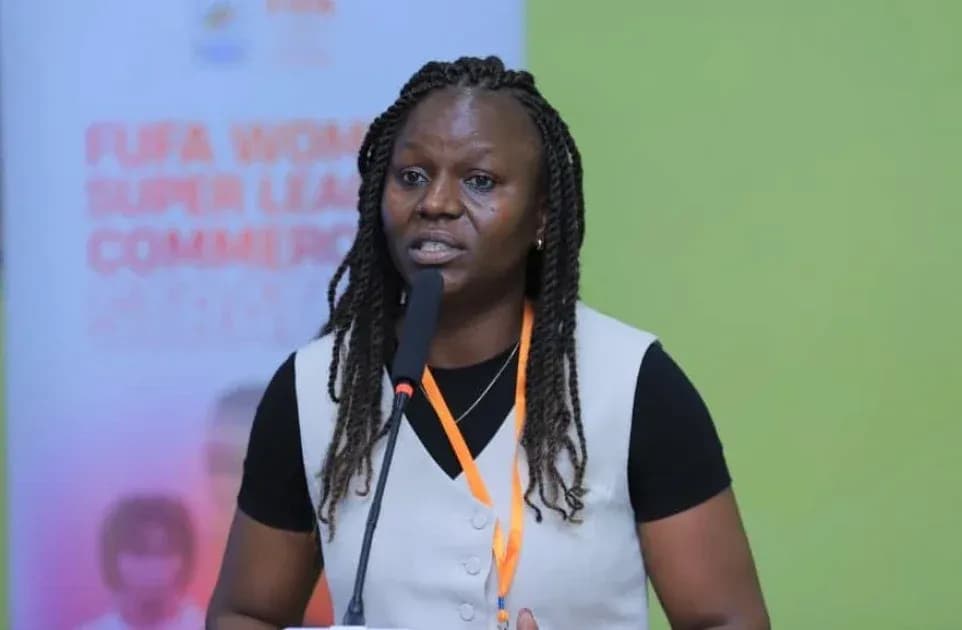
Yet in nearby Salé, Doreen Nabwire refused to join the chorus of despair.
The former Harambee Starlets captain, now a FIFA Women's Football Development expert, sat with Kenyan journalists and pushed back against the wave of criticism already building online. For her, the story of this tournament is far from written.
“We have a good chance against Senegal and Algeria, and we can still turn things around,” she said, cutting straight through the gloom of that heavy defeat. Morocco, she reminded everyone, are not just another opponent. They are a benchmark.
Morocco have invested, planned and built with purpose. Their rise is no accident. They are among the top-ranked teams in Africa, and their sights are fixed well beyond continental borders, on the FIFA Women's World Cup and the global stage. Kenya, on the other hand, are still climbing — but they did not stumble into this tournament.
“Kenya did not qualify for this tournament by chance; the players earned their place through hard work,” Nabwire stressed. The 4–0 loss hurt, but she refused to let it define the campaign. The equation is simple now: beat Senegal, beat Algeria, and the quarter-finals remain within reach.
A Growing Game, and a Bigger Dream
Nabwire has seen the arc of the women’s game in Kenya from almost every angle. In 2009 she broke a barrier, becoming the first Kenyan woman to play professional football in Europe when she joined SV Werder Bremen in Germany. Later, she turned out for PEC Zwolle in the Netherlands. For more than 15 years, she wore the national shirt and watched the sport inch, then surge, forward.
Now, from a development role within FIFA, she views the bigger picture.
“We have reached a stage where women's football is growing at a remarkable pace, and we must dare to dream. We should aim to qualify for the World Cup,” she said.
That ambition, she warned, cannot rest solely on tactics and team talks. Winning matches is only one piece of a much larger puzzle. Structures, planning, and support systems matter just as much as a well-struck shot or a last-ditch tackle.
The Hidden Battle: Off the Pitch
Nabwire did not sugar-coat Kenya’s challenges. If the country wants results on the field, it must first fix what happens off it.
“We must ensure that everything outside the pitch is taken care of before expecting players to deliver results,” she said. Then she listed the familiar fault lines: infrastructure, coaching, players’ allowances. These are not side issues. They cut directly into motivation and performance.
Her message was clear: if Kenya want to compete with teams like Morocco, they must build an environment that allows players to focus solely on football. No distractions. No avoidable battles.
“If we want to compete at the highest level, we must create the right environment for our players. Everything has to be in place to enable them to step onto the pitch, compete effectively and represent the country with confidence.”
That is not romantic rhetoric. It is the blunt assessment of someone who has lived the gap between potential and support.
Standing Firm After a Heavy Defeat
Back home, the reaction to the 4–0 loss has been sharp. Social media, as always, moved quickly from disappointment to outrage. For some, one bad night was enough to question the entire project.
Nabwire pushed back.
“In football, there are three possible results; you win, draw or lose,” she said. “When we win, everyone celebrates, but when we lose, people should understand that it is part of the game.”
Her appeal was not just for patience, but for perspective. Teams grow through setbacks. The key, she insisted, lies in what happens next: “We must learn from our mistakes, identify what went wrong, work on those areas and come back stronger.”
That is the challenge now facing the Starlets’ technical bench. Fix the tactical errors exposed by Morocco. Reset the mentality. Turn the anger and frustration into focus.
Two Games to Rewrite the Story
The path is narrow, but it is there.
Kenya face Senegal at the Olympic Stadium on July 30, with kick-off set for 8:00 PM Kenyan time. On the same night, Morocco meet Algeria at Moulay El Hassan Stadium at 11:00 PM Kenyan time. Group ‘A’ will start to take shape. So will Kenya’s fate.
Beat Senegal, and belief returns. Beat Algeria as well, and that opening-night thrashing becomes a painful but useful lesson rather than the defining image of their WAFCON campaign.
For now, Nabwire’s call echoes from Salé to Nairobi: stay patient, stand behind the team, demand better structures, and allow this generation to fight with clear minds and full hearts.
The question is no longer whether Kenya were humbled by Morocco. They were. The real test is what they do with that humiliation when the lights come back on in Rabat.